




At a glance
Summary
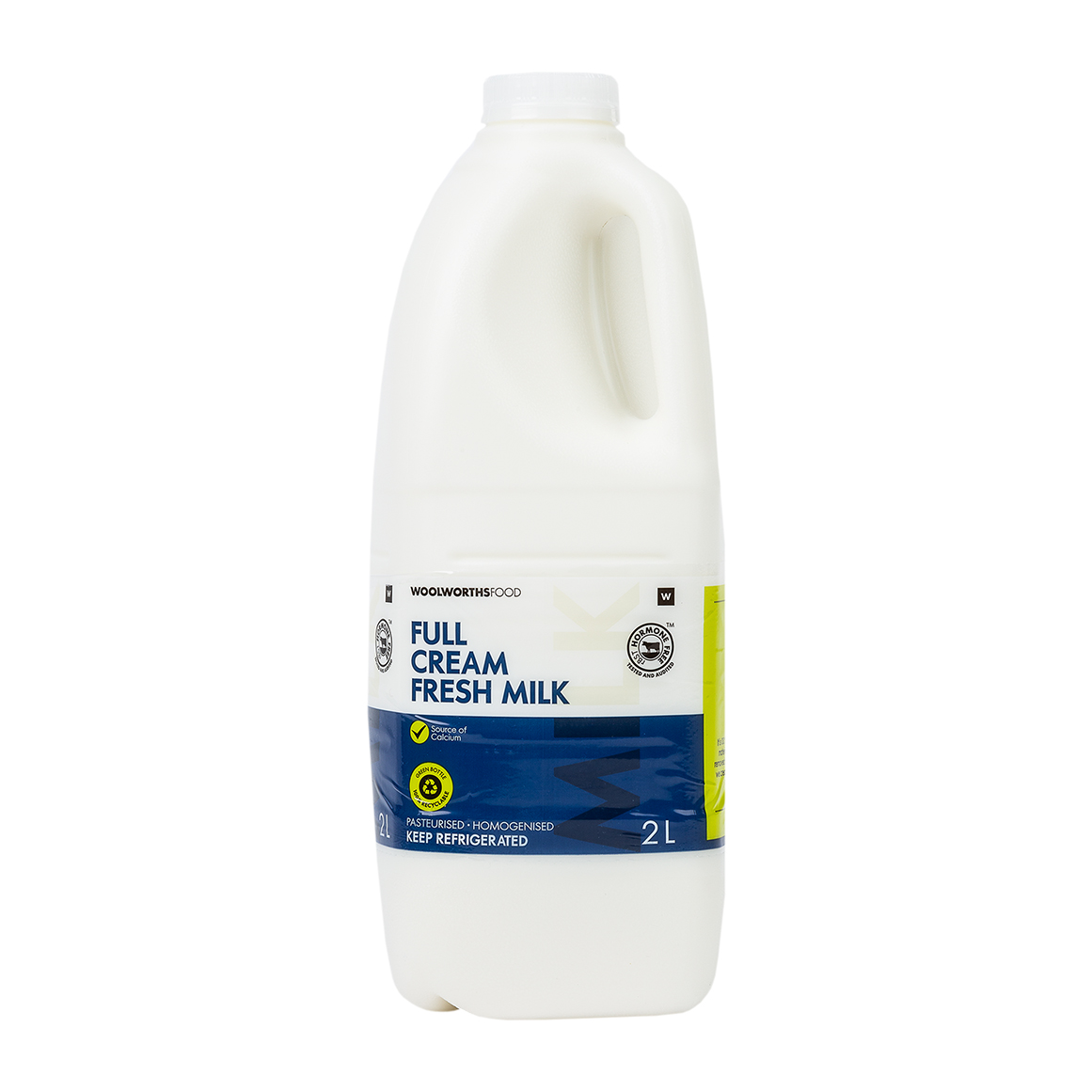
This milk product is fortified with essential vitamins and minerals, enhancing its nutritional profile. While it contains beneficial ingredients like cow's milk and added vitamins, the presence of soya lecithin as an emulsifier indicates a moderate level of processing. Despite this, the product maintains a relatively clean label with minimal additives, contributing to its favorable rating.
Key ingredients 7
Cow's MilkVery Good
Cow's milk is a natural source of high-quality protein and essential nutrients. It provides calcium, vitamin D, and other vital nutrients that support bone health. The milk is minimally processed, retaining its natural nutrient profile.
Risks
Potential allergens for individuals with lactose intolerance or milk allergies.
Benefits
Rich in calcium and vitamin D, which are essential for maintaining strong bones and teeth. Provides a complete protein source with all essential amino acids.
Vitamin AGood
Vitamin A is an essential nutrient that supports vision, immune function, and skin health. It is often added to milk to enhance its nutritional profile. Fortification ensures adequate intake of this vital vitamin.
Risks
Excessive intake can lead to toxicity, but this is unlikely from fortified milk alone.
Benefits
Supports healthy vision and immune function. Essential for maintaining healthy skin and mucous membranes.
Vitamin D3Good
Vitamin D3 is crucial for calcium absorption and bone health. It is commonly added to milk to prevent deficiencies and support overall health. Fortification helps maintain adequate vitamin D levels, especially in regions with limited sunlight exposure.
Benefits
Enhances calcium absorption and supports bone health. Helps maintain a healthy immune system.
Vitamin CGood
Vitamin C is an antioxidant that supports immune function and skin health. It is added to milk to boost its nutritional value. Fortification helps prevent deficiencies and supports overall health.
Benefits
Supports immune function and acts as an antioxidant. Essential for collagen synthesis and skin health.
IronGood
Iron is an essential mineral that supports oxygen transport and energy production. It is added to milk to enhance its nutritional profile. Fortification helps prevent iron deficiency anemia, especially in populations at risk.
Risks
Excessive iron intake can lead to toxicity, but this is unlikely from fortified milk alone.
Benefits
Supports oxygen transport in the blood and energy production. Essential for cognitive function and overall health.
LactoseNeutral
Lactose is a natural sugar found in milk, providing a source of energy. It is naturally occurring in dairy products and contributes to the sweetness of milk. Lactose is not added separately but is inherent in cow's milk.
Risks
May cause digestive issues in individuals with lactose intolerance.
Benefits
Provides a natural source of energy and supports the absorption of calcium and other minerals.
Soya LecithinBad
Soya lecithin is a common emulsifier used to improve texture and stability in processed foods. It is derived from soybeans and may contain trace amounts of allergens. While it is generally considered safe, it is a processed additive that some consumers prefer to avoid.
Risks
May contain soy allergens and is a processed additive.
Benefits
Helps improve texture and stability in food products. Generally recognized as safe when consumed in typical amounts.
Processing
Processed Foods
Get the full breakdown in the Scout appTake Scout shopping
Scan any product to see lab results, healthy alternatives, and your personalized analysis.
Download on theApp Store GET IT ONGoogle Play