

Amber Glass Wooden Wick Amber and Cedar Jar Candle 8oz - Threshold™
Analysis updated July 2026 · How Scout scores
At a glance
Summary
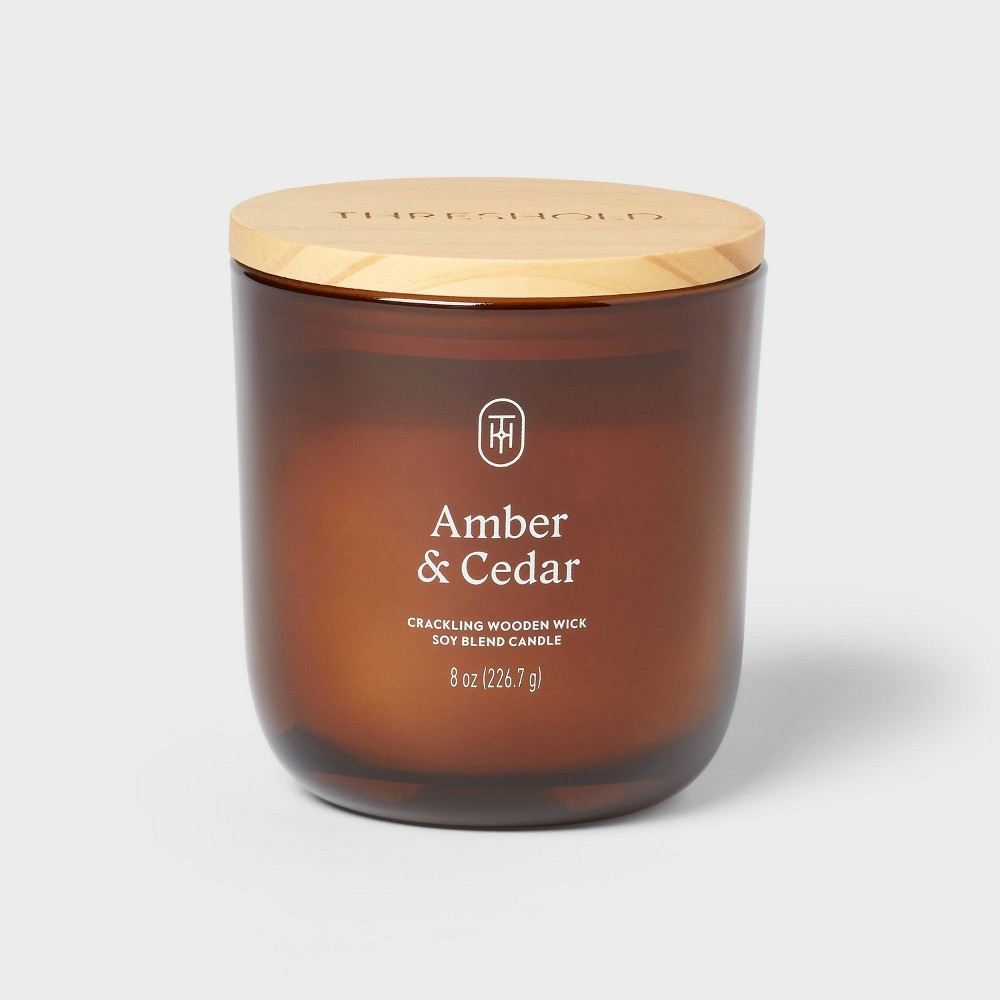
This candle features a wooden wick, which is generally considered safe and provides a clean burn. However, the processing level indicates it is not entirely free from synthetic components, which may include fragrance elements. While it avoids the most harmful substances like paraffin wax and lead wicks, the presence of processed ingredients limits its score.
Key ingredients 8
soy wax
Soy wax is a natural wax derived from soybeans, making it a renewable resource. It is known for burning cleaner than paraffin wax, producing less soot. This makes it a popular choice for eco-friendly candles.
Risks
There are minimal risks associated with soy wax, though some individuals may have allergies to soy products.
Benefits
Soy wax is biodegradable and supports sustainable agriculture, offering a cleaner burn and longer-lasting candle.
paraffin wax
Paraffin wax is a petroleum-derived product commonly used in candles. It is inexpensive and widely available, making it a popular choice for mass-produced candles. However, when burned, it can release harmful chemicals.
Risks
Burning paraffin wax can release volatile organic compounds (VOCs) such as benzene and toluene, which are known carcinogens.
Benefits
Paraffin wax is cost-effective and provides a strong scent throw, enhancing the fragrance of candles.
white cedar
White cedar is often used in candles for its natural, woodsy fragrance. It is derived from the wood of cedar trees and is considered a natural ingredient. Its scent is calming and grounding.
Risks
There are minimal risks associated with white cedar, though some individuals may experience allergies to wood scents.
Benefits
White cedar provides a natural, pleasant aroma without the need for synthetic fragrances, contributing to a more natural candle experience.
cinnamon
Cinnamon is a spice derived from the inner bark of trees from the genus Cinnamomum. It is used in candles for its warm, spicy aroma. As a natural ingredient, it is often preferred over synthetic fragrances.
Risks
Cinnamon can cause allergic reactions in some individuals, particularly when used in high concentrations.
Benefits
Cinnamon offers a natural, comforting scent that can enhance relaxation and create a cozy atmosphere.
cardamom
Cardamom is a spice made from the seeds of several plants in the genera Elettaria and Amomum. It is valued for its aromatic properties and is used in candles for its warm, spicy scent. It is a natural ingredient.
Risks
Cardamom is generally safe, but like other spices, it can cause allergic reactions in sensitive individuals.
Benefits
Cardamom provides a natural, exotic fragrance that can enhance the sensory experience of a candle.
nutmeg shavings
Nutmeg shavings are derived from the seed of the nutmeg tree and are used in candles for their warm, spicy aroma. As a natural ingredient, they are often preferred over synthetic alternatives.
Risks
Nutmeg can cause allergic reactions in some individuals, especially when inhaled in large quantities.
Benefits
Nutmeg shavings offer a natural, rich scent that can create a warm and inviting atmosphere.
sandalwood
Sandalwood is a fragrant wood from trees in the genus Santalum. It is used in candles for its rich, woody aroma and is considered a natural ingredient. Its scent is often associated with relaxation and meditation.
Risks
Sandalwood is generally safe, but some individuals may experience allergic reactions to its scent.
Benefits
Sandalwood provides a natural, calming fragrance that can enhance relaxation and create a soothing environment.
cashmere vanilla
Cashmere vanilla is a blend of vanilla and other warm, cozy scents, often used in candles for its comforting aroma. It is typically derived from natural vanilla beans and other natural sources.
Risks
There are minimal risks associated with cashmere vanilla, though some individuals may have allergies to vanilla or related compounds.
Benefits
Cashmere vanilla offers a natural, luxurious scent that can create a warm and inviting atmosphere.
Processing
Processed Foods
Get the full breakdown in the Scout appTake Scout shopping
Scan any product to see lab results, healthy alternatives, and your personalized analysis.
Download on theApp Store GET IT ONGoogle PlayAmazon pricing & content
Amazon price as of . Product prices and availability are accurate as of the date/time indicated and are subject to change. Any price and availability information displayed on Amazon.com at the time of purchase will apply to the purchase of this product.
CERTAIN CONTENT THAT APPEARS ON THIS SITE COMES FROM AMAZON. THIS CONTENT IS PROVIDED “AS IS” AND IS SUBJECT TO CHANGE OR REMOVAL AT ANY TIME.