
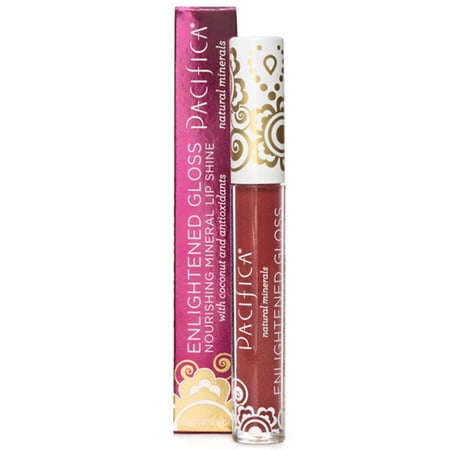
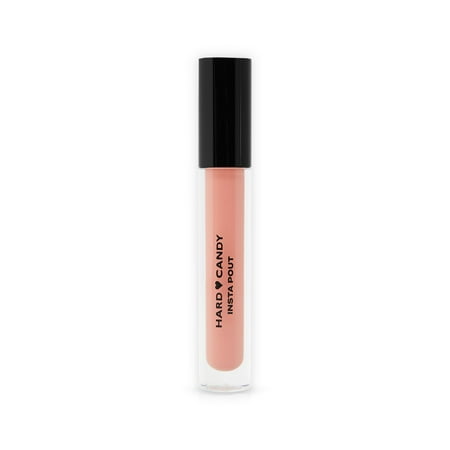

Pacifica Lip Gloss 0.1 oz
Analysis updated October 2026 · How Scout scores
At a glance
Summary
This lip gloss features a blend of natural oils and waxes, such as jojoba oil, shea butter, and candelilla wax, which are known for their moisturizing and protective properties. It includes beneficial ingredients like hyaluronic acid and squalane, which enhance hydration and skin barrier function. The absence of synthetic fragrances, parabens, and other harmful chemicals contributes to its high rating, making it a safe and effective choice for lip care.
Key ingredients 16
Carthamus Tinctorius (Safflower) OilVery Good
Safflower oil is rich in linoleic acid, which helps maintain the skin's barrier and reduce inflammation. It is a natural emollient that provides moisture and smoothness to the skin.
Risks
There are minimal risks associated with safflower oil, though rare allergic reactions can occur.
Benefits
It is beneficial for moisturizing and soothing dry or irritated skin.
Simmondsia Chinensis (Jojoba) Seed OilVery Good
Jojoba oil closely resembles the skin's natural sebum, making it an excellent moisturizer. It is non-comedogenic and helps balance oil production.
Risks
Jojoba oil is generally safe, with rare cases of allergic reactions.
Benefits
It provides deep hydration and helps to regulate skin oil levels.
Shea ButterVery Good
Shea butter is a rich source of fatty acids and vitamins, providing excellent moisturizing and healing properties. It is known for its ability to soothe and soften dry skin.
Risks
There are minimal risks, though some individuals may experience mild irritation.
Benefits
It deeply nourishes the skin and helps to improve elasticity.
SqualaneVery Good
Squalane is a lightweight, non-greasy oil that mimics the skin's natural oils. It is highly effective in moisturizing and protecting the skin.
Risks
Squalane is generally safe with no significant risks.
Benefits
It enhances skin hydration and provides a protective barrier.
Vitamin EVery Good
Vitamin E is a potent antioxidant that helps protect the skin from free radical damage. It also has moisturizing and healing properties.
Risks
There are minimal risks, though high concentrations can cause skin irritation.
Benefits
It supports skin repair and provides antioxidant protection.
PeptidesVery Good
Peptides are short chains of amino acids that help to stimulate collagen production and improve skin elasticity. They are effective in reducing the signs of aging.
Risks
There are no significant risks associated with peptides.
Benefits
They enhance skin firmness and reduce the appearance of wrinkles.
Linolenic PolyglyceridesGood
Linolenic polyglycerides are derived from fatty acids and are used for their emollient properties. They help to improve the texture and hydration of the skin.
Risks
There are no significant risks associated with linolenic polyglycerides.
Benefits
They enhance skin hydration and improve the overall feel of the product.
Vegan CollagenGood
Vegan collagen is a plant-based alternative that helps to improve skin elasticity and hydration. It mimics the effects of animal-derived collagen.
Risks
There are no significant risks associated with vegan collagen.
Benefits
It supports skin firmness and hydration.
Hyaluronic AcidGood
Hyaluronic acid is a powerful humectant that attracts and retains moisture in the skin. It helps to plump and hydrate the skin effectively.
Risks
There are minimal risks, though overuse can lead to skin irritation.
Benefits
It provides intense hydration and reduces the appearance of fine lines.
Coconut OilGood
Coconut oil is a natural emollient that provides deep hydration and nourishment to the skin. It has antimicrobial properties that can help protect the skin.
Risks
There is a risk of clogging pores in acne-prone skin.
Benefits
It moisturizes and softens the skin while providing antimicrobial benefits.
Eclipta Prostrata ExtractGood
Eclipta prostrata extract is known for its antioxidant and anti-inflammatory properties. It helps to soothe and protect the skin.
Risks
There are no significant risks associated with this extract.
Benefits
It provides antioxidant protection and soothes irritated skin.
Melia Azadirachta Leaf ExtractGood
Melia azadirachta leaf extract, also known as neem, has antibacterial and anti-inflammatory properties. It is used to treat and prevent skin infections.
Risks
There are minimal risks, though some individuals may experience allergic reactions.
Benefits
It helps to protect the skin from infections and reduces inflammation.
Euphorbia Cerifera (Candelilla) WaxNeutral
Standard formulation ingredient — neither beneficial nor harmful at typical use.
Risks
There are minimal risks, though some individuals may experience mild irritation.
Benefits
It helps to lock in moisture and provides a smooth application.
Calcium Sodium BorosilicateNeutral
Calcium sodium borosilicate is used as a filler and to add shimmer in cosmetic products. It is generally considered safe for use in cosmetics.
Risks
There are minimal risks, though inhalation of fine particles should be avoided.
Benefits
It provides a shimmering effect and improves product texture.
Manganese Violet Ci 77742Neutral
Manganese violet is a colorant used in cosmetics to provide a violet hue. It is considered safe for use in cosmetic products.
Risks
There are minimal risks, though it should not be ingested.
Benefits
It provides a vibrant color to cosmetic formulations.
Titanium DioxideNeutral
Titanium dioxide is used as a pigment and UV filter in cosmetics. It is effective in providing sun protection and enhancing product opacity.
Risks
Inhalation of fine particles can pose respiratory risks.
Benefits
It offers UV protection and improves product coverage.
Get the full breakdown in the Scout appTake Scout shopping
Scan any product to see lab results, healthy alternatives, and your personalized analysis.
Download on theApp Store GET IT ONGoogle PlayAmazon pricing & content
Amazon price as of . Product prices and availability are accurate as of the date/time indicated and are subject to change. Any price and availability information displayed on Amazon.com at the time of purchase will apply to the purchase of this product.
CERTAIN CONTENT THAT APPEARS ON THIS SITE COMES FROM AMAZON. THIS CONTENT IS PROVIDED “AS IS” AND IS SUBJECT TO CHANGE OR REMOVAL AT ANY TIME.