
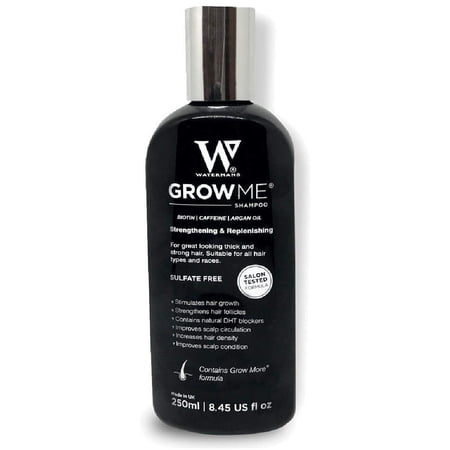
Waterman s Grow Me 8.45-ounce Best Hair Growth Shampoo Sulfate Free 1 pack
Analysis updated August 2026 · How Scout scores
At a glance
Summary
This shampoo contains beneficial ingredients such as argan oil, biotin, and rosemary extract, which are known for promoting hair health and growth. However, the presence of parfum, a synthetic fragrance, raises concerns due to potential allergens and irritants. The product is processed, which limits its score, but the absence of harsh sulfates and silicones is a positive aspect.
Key ingredients 14
Argan OilVery Good
Argan oil is rich in essential fatty acids and vitamin E, making it an excellent moisturizer and conditioner for hair. It helps improve hair elasticity and shine.
Risks
There are no significant risks associated with topical application of argan oil.
Benefits
Deeply conditions hair, improving softness and shine.
BiotinGood
Biotin, also known as vitamin B7, is often included in hair care products for its potential to strengthen hair and promote growth. It is a water-soluble vitamin that supports keratin production.
Risks
There are no significant risks associated with topical application of biotin.
Benefits
May help improve hair strength and promote healthy hair growth.
Rosemary ExtractGood
Rosemary extract is known for its antioxidant and anti-inflammatory properties. It is often used in hair care for its potential to improve scalp health and promote hair growth.
Risks
Rarely, it may cause irritation in sensitive individuals.
Benefits
May help improve scalp health and stimulate hair growth.
NiacinamideGood
Niacinamide, a form of vitamin B3, is used in hair care for its potential to improve hair texture and increase hair fullness. It also has anti-inflammatory properties that can benefit the scalp.
Risks
There are no significant risks associated with topical application of niacinamide.
Benefits
May improve hair texture and promote a healthy scalp.
Hydrolyzed Lupine ProteinGood
Hydrolyzed lupine protein is used in hair care for its ability to strengthen and repair damaged hair. It helps improve hair elasticity and resilience.
Risks
There are no significant risks associated with this ingredient.
Benefits
Strengthens hair and improves its resilience.
AllantoinGood
Allantoin is known for its soothing and moisturizing properties. It helps calm the scalp and improve the overall health of hair.
Risks
There are no significant risks associated with topical application of allantoin.
Benefits
Soothes and moisturizes the scalp, promoting healthy hair.
Aqua (Water)Neutral
Water is a universal solvent and is used as a base in most cosmetic formulations. It helps dissolve other ingredients and provides a medium for them to be applied to the hair. It does not have any direct benefits or risks when used in shampoos.
Risks
There are no known risks associated with water in cosmetic formulations.
Benefits
Water helps in the even distribution of other ingredients in the shampoo.
Sodium C14-16 Olefin SulfonateNeutral
This is a surfactant used for its cleansing properties, helping to remove dirt and oil from the hair. It is considered less harsh than traditional sulfates like SLS. However, it can still cause dryness in some individuals.
Risks
Potential to cause dryness or irritation in sensitive scalps.
Benefits
Effective at cleansing hair without the harshness of traditional sulfates.
Cocamidopropyl BetaineNeutral
Standard formulation ingredient — neither beneficial nor harmful at typical use.
Risks
Rarely, it can cause allergic reactions in sensitive individuals.
Benefits
Provides gentle cleansing and helps maintain moisture balance in the hair.
PEG-150 Pentaerythrityl TetrastearateNeutral
This ingredient is used as a thickener and emulsifier in cosmetic formulations. It helps stabilize the product and improve its texture. It is generally considered safe for use in cosmetics.
Risks
There are minimal risks associated with this ingredient when used in cosmetics.
Benefits
Improves product consistency and application.
PEG-6 Caprylic/Capric GlyceridesNeutral
This ingredient acts as an emulsifier and skin-conditioning agent. It helps blend oil and water-based ingredients and provides a smooth feel to the product. It is generally regarded as safe in cosmetic formulations.
Risks
There are minimal risks associated with this ingredient when used in cosmetics.
Benefits
Enhances the texture and feel of the product.
Sodium Starch OctenylsuccinateNeutral
This ingredient is used as a thickener and stabilizer in cosmetic products. It helps improve the texture and consistency of the formulation. It is considered safe for use in cosmetics.
Risks
There are minimal risks associated with this ingredient when used in cosmetics.
Benefits
Contributes to the stability and texture of the product.
CaffeineNeutral
Standard formulation ingredient — neither beneficial nor harmful at typical use.
Risks
There are no significant risks associated with topical application of caffeine.
Benefits
May enhance hair growth and improve scalp health.
ParfumBad
Parfum, or fragrance, is used to impart scent to the product. However, it is often a mixture of various chemicals, some of which can be allergens or irritants. The exact composition is usually undisclosed, leading to concerns about potential harmful effects.
Risks
May cause allergic reactions or irritation in sensitive individuals.
Benefits
Enhances the sensory experience of using the product with a pleasant scent.
Processing
Processed Foods
Get the full breakdown in the Scout appTake Scout shopping
Scan any product to see lab results, healthy alternatives, and your personalized analysis.
Download on theApp Store GET IT ONGoogle PlayAmazon pricing & content
Amazon price as of . Product prices and availability are accurate as of the date/time indicated and are subject to change. Any price and availability information displayed on Amazon.com at the time of purchase will apply to the purchase of this product.
CERTAIN CONTENT THAT APPEARS ON THIS SITE COMES FROM AMAZON. THIS CONTENT IS PROVIDED “AS IS” AND IS SUBJECT TO CHANGE OR REMOVAL AT ANY TIME.