
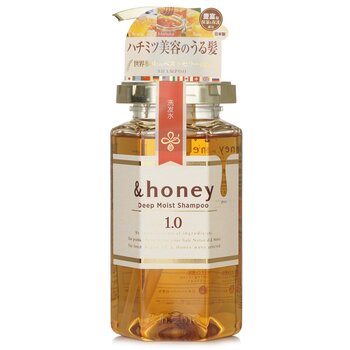


&Honey Deep Mpist Shampoo Step 1.0, 440ml
Analysis updated August 2026 · How Scout scores
At a glance
Summary
This shampoo contains beneficial ingredients like shea butter, argan oil, and honey, which provide nourishment and hydration to the hair. However, the presence of Sodium C14-16 Olefin Sulfonate, a harsher surfactant, may strip natural oils from the hair, impacting its overall gentleness. The product is processed, which limits its potential score despite the inclusion of several natural and conditioning ingredients.
Key ingredients 14
Shea Butter Glycereth-8Very Good
Shea Butter Glycereth-8 is a derivative of shea butter that provides conditioning benefits. It helps to moisturize and soften the hair, improving manageability. It is derived from natural sources and is beneficial for dry hair.
Risks
There are minimal risks associated with this ingredient.
Benefits
It provides excellent conditioning and moisturizing properties.
Argan oilVery Good
Argan oil is rich in essential fatty acids and vitamin E, providing nourishment and shine to the hair. It helps to condition and protect the hair from damage. It is highly valued for its moisturizing and restorative properties.
Risks
There are minimal risks, though it may weigh down very fine hair.
Benefits
It nourishes and adds shine to the hair.
Lauramidopropyl BetaineGood
Lauramidopropyl Betaine is a mild surfactant derived from coconut oil. It helps to cleanse the hair without stripping natural oils. It is considered gentle and suitable for sensitive skin.
Risks
There are minimal risks, though some individuals may experience mild irritation.
Benefits
It provides gentle cleansing and is less likely to cause dryness.
Sodium Lauroyl TaurateGood
Sodium Lauroyl Taurate is a mild surfactant that is gentle on the skin and hair. It is derived from taurine and fatty acids, providing effective cleansing without irritation. It is suitable for sensitive skin and hair types.
Risks
There are minimal risks associated with this ingredient.
Benefits
It offers gentle cleansing and is less likely to cause dryness.
GlycerinGood
Glycerin is a humectant that attracts moisture to the hair and scalp. It helps to maintain hydration and improve the texture of the hair. It is widely used for its moisturizing properties.
Risks
There are minimal risks, though excessive use can lead to a sticky feel.
Benefits
It helps to hydrate and soften the hair.
HoneyGood
Honey is a natural humectant that attracts and retains moisture in the hair. It provides hydration and adds shine, making the hair more manageable. It is also known for its soothing properties.
Risks
There are minimal risks, though it may cause stickiness if not rinsed properly.
Benefits
It hydrates and adds shine to the hair.
Royal jellyGood
Royal jelly is rich in vitamins and minerals, providing nourishment to the hair. It helps to strengthen and condition the hair, improving its overall health. It is beneficial for maintaining healthy hair.
Risks
There are minimal risks, though some individuals may be allergic.
Benefits
It nourishes and strengthens the hair.
PropolisGood
Propolis is known for its antimicrobial properties and is used to promote scalp health. It helps to soothe and protect the scalp, reducing irritation. It is beneficial for maintaining a healthy scalp environment.
Risks
There are minimal risks, though some individuals may be allergic.
Benefits
It promotes scalp health and reduces irritation.
Hyaluronic acidGood
Hyaluronic acid is a powerful humectant that attracts moisture to the hair and scalp. It helps to maintain hydration and improve the elasticity of the hair. It is beneficial for dry and damaged hair.
Risks
There are minimal risks associated with this ingredient.
Benefits
It hydrates and improves the elasticity of the hair.
Hydrolyzed silkGood
Hydrolyzed silk is used to strengthen and protect the hair, providing a smooth and shiny appearance. It helps to repair damaged hair and improve its manageability. It is beneficial for enhancing the overall health of the hair.
Risks
There are minimal risks associated with this ingredient.
Benefits
It strengthens and adds shine to the hair.
WaterNeutral
Water is a common solvent used in cosmetic formulations. It helps dissolve other ingredients and provides a base for the product. It does not have any direct benefits or risks in the context of a shampoo.
Risks
There are no significant risks associated with water in cosmetic products.
Benefits
Water acts as a solvent and carrier for other ingredients.
Cocamide DEANeutral
Cocamide DEA is used as a foaming agent and thickener in shampoos. It helps to create a rich lather and improve the texture of the product. However, it has been scrutinized for potential impurities.
Risks
There is a potential risk of contamination with nitrosamines, which are carcinogenic.
Benefits
It enhances the foaming and texture of the shampoo.
Golden silkNeutral
Golden silk is used for its conditioning properties, helping to improve the texture of the hair. It provides a silky feel and enhances the appearance of the hair. It is often used in premium hair care formulations.
Risks
There are minimal risks associated with this ingredient.
Benefits
It enhances the texture and appearance of the hair.
Sodium C14-16 Olefin SulfonateBad
Sodium C14-16 Olefin Sulfonate is a surfactant used for its cleansing properties. It can be harsh and may strip natural oils from the hair. It is often considered a less gentle alternative to other surfactants.
Risks
It can cause dryness and irritation for some users.
Benefits
It effectively removes dirt and oil from the hair.
Processing
Processed Foods
Get the full breakdown in the Scout appTake Scout shopping
Scan any product to see lab results, healthy alternatives, and your personalized analysis.
Download on theApp Store GET IT ONGoogle PlayAmazon pricing & content
Amazon price as of . Product prices and availability are accurate as of the date/time indicated and are subject to change. Any price and availability information displayed on Amazon.com at the time of purchase will apply to the purchase of this product.
CERTAIN CONTENT THAT APPEARS ON THIS SITE COMES FROM AMAZON. THIS CONTENT IS PROVIDED “AS IS” AND IS SUBJECT TO CHANGE OR REMOVAL AT ANY TIME.