
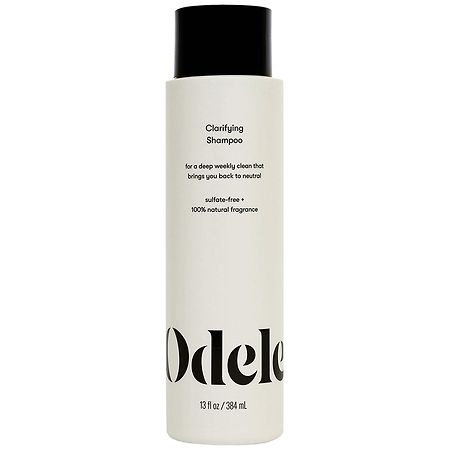
Odele Clarifying Shampoo for Buildup Removal for All Hair Types - 13 fl oz
Analysis updated August 2026 · How Scout scores
At a glance
Summary
This shampoo contains Sodium C14-16 Olefin Sulfonate, which can be harsh on the scalp and strip natural oils, and Sodium Chloride, which may cause dryness and irritation. However, it also includes beneficial ingredients like Amaranthus Caudatus Seed Extract and Hydrolyzed Rice Protein, which help nourish and strengthen hair. The presence of natural fragrance and the absence of parabens and silicones contribute positively, but the overall processing level and presence of potentially irritating surfactants limit its score.
Key ingredients 17
Amaranthus Caudatus Seed ExtractGood
Amaranthus Caudatus Seed Extract is a plant-derived ingredient known for its conditioning properties. It is rich in proteins and vitamins, which can help to nourish and strengthen hair. This extract is considered beneficial for maintaining healthy hair.
Risks
There are minimal risks associated with this ingredient, though it may cause mild irritation in rare cases.
Benefits
It helps to condition and strengthen hair, providing essential nutrients and improving overall hair health.
Hydrolyzed Rice ProteinGood
Hydrolyzed Rice Protein is a plant-derived protein that helps to strengthen and volumize hair. It penetrates the hair shaft to improve elasticity and reduce breakage. This ingredient is beneficial for enhancing hair texture and resilience.
Risks
There are minimal risks, though it may cause mild irritation in sensitive individuals.
Benefits
It strengthens hair, improves elasticity, and adds volume, making hair appear fuller and healthier.
WaterNeutral
Water is a universal solvent and is used as a base in many cosmetic formulations. It helps to dissolve other ingredients and provides a medium for them to function. It is generally considered safe and non-reactive.
Risks
There are no significant risks associated with water in cosmetic formulations.
Benefits
Water helps to hydrate and provide a base for other active ingredients to work effectively.
Cocamidopropyl HydroxysultaineNeutral
Cocamidopropyl Hydroxysultaine is a mild surfactant derived from coconut oil. It is used to enhance the foaming properties of shampoos and is generally considered gentle on the skin. It helps to stabilize the formulation and improve texture.
Risks
There is a low risk of skin irritation, particularly for those with coconut allergies.
Benefits
It provides gentle cleansing and helps to maintain the product's consistency and foaming ability.
Dimethyl Lauramide/MyristamideNeutral
Dimethyl Lauramide/Myristamide are used as surfactants and emulsifiers in cosmetic formulations. They help to improve the texture and spreadability of the product. These ingredients are generally considered safe for use in cosmetics.
Risks
There are minimal risks associated with these ingredients, though they may cause mild irritation in sensitive individuals.
Benefits
They enhance the product's texture and help to evenly distribute other ingredients.
PropanediolNeutral
Propanediol is a glycol used as a solvent and humectant in cosmetic formulations. It helps to improve the texture and moisture retention of the product. It is generally considered safe and non-irritating.
Risks
There is a low risk of skin irritation, particularly for those with sensitive skin.
Benefits
It enhances moisture retention and improves the overall texture of the product.
Polyquaternium-10Neutral
Polyquaternium-10 is a conditioning agent that helps to reduce static and improve hair manageability. It forms a protective film on the hair, enhancing smoothness and shine. It is widely used in hair care products for its conditioning properties.
Risks
There are minimal risks, though it may cause build-up on the hair over time.
Benefits
It conditions the hair, reduces static, and improves manageability and shine.
Tetrasodium Glutamate DiacetateNeutral
Tetrasodium Glutamate Diacetate is a chelating agent used to enhance the stability and efficacy of cosmetic formulations. It helps to bind metal ions, preventing them from affecting the product's performance. It is considered safe for use in cosmetics.
Risks
There are minimal risks associated with this ingredient.
Benefits
It improves product stability and enhances the effectiveness of other active ingredients.
Sodium Methyl 2-SulfolaurateNeutral
Sodium Methyl 2-Sulfolaurate is a mild surfactant used for its cleansing properties. It is derived from natural sources and is considered gentler than traditional sulfates. It helps to remove dirt and oil without excessively stripping the hair.
Risks
There is a low risk of irritation, particularly for those with sensitive skin.
Benefits
It provides effective cleansing while being gentler on the hair and scalp compared to harsher sulfates.
Disodium 2-SulfolaurateNeutral
Disodium 2-Sulfolaurate is a surfactant used for its cleansing properties. It is often used in combination with other surfactants to enhance foaming and cleansing. It is considered a milder alternative to traditional sulfates.
Risks
There is a low risk of irritation, particularly for those with sensitive skin.
Benefits
It helps to cleanse the hair effectively while being less harsh than traditional sulfates.
Hydroxypropyl Guar Hydroxypropyltrimonium ChlorideNeutral
Hydroxypropyl Guar Hydroxypropyltrimonium Chloride is a conditioning agent derived from guar gum. It helps to improve hair manageability and reduce static. It is commonly used in hair care products for its conditioning benefits.
Risks
There are minimal risks, though it may cause build-up on the hair over time.
Benefits
It conditions the hair, reduces static, and improves manageability.
Citric AcidNeutral
Citric Acid is used to adjust the pH of cosmetic formulations. It helps to maintain the stability and effectiveness of the product. It is generally considered safe and non-irritating when used in appropriate concentrations.
Risks
There is a low risk of irritation if used in high concentrations.
Benefits
It helps to maintain the product's pH balance and stability.
Sodium ChlorideNeutral
Standard formulation ingredient — neither beneficial nor harmful at typical use.
Risks
It may cause dryness and irritation of the scalp, particularly for those with sensitive skin.
Benefits
It helps to thicken the product and improve its texture.
Sodium C14-16 Olefin SulfonateBad
Sodium C14-16 Olefin Sulfonate is a surfactant used for its cleansing properties. It can be harsh on the scalp, potentially stripping natural oils and causing dryness. It is often used as an alternative to SLS but can still be irritating for sensitive scalps.
Risks
This ingredient may cause dryness and irritation, especially for those with sensitive skin.
Benefits
It effectively removes dirt and oil from the hair, providing a deep clean.
Sodium BenzoateBad
Synthetic preservative that can form benzene in the presence of vitamin C.
Risks
There is a low risk of skin irritation, particularly for those with sensitive skin.
Benefits
It prevents microbial growth and helps to preserve the product's integrity.
Potassium SorbateBad
Synthetic preservative — flagged in daily-use products.
Risks
There is a low risk of skin irritation, particularly for those with sensitive skin.
Benefits
It helps to preserve the product and prevent spoilage.
Fragrance (All Natural)Very Bad
Heavily flagged ingredient class under Scout's doctrine.
Risks
Natural fragrances can cause allergic reactions or skin irritation in some people.
Benefits
They provide a pleasant aroma without the use of synthetic chemicals.
Get the full breakdown in the Scout appTake Scout shopping
Scan any product to see lab results, healthy alternatives, and your personalized analysis.
Download on theApp Store GET IT ONGoogle PlayAmazon pricing & content
Amazon price as of . Product prices and availability are accurate as of the date/time indicated and are subject to change. Any price and availability information displayed on Amazon.com at the time of purchase will apply to the purchase of this product.
CERTAIN CONTENT THAT APPEARS ON THIS SITE COMES FROM AMAZON. THIS CONTENT IS PROVIDED “AS IS” AND IS SUBJECT TO CHANGE OR REMOVAL AT ANY TIME.