

At a glance
Summary
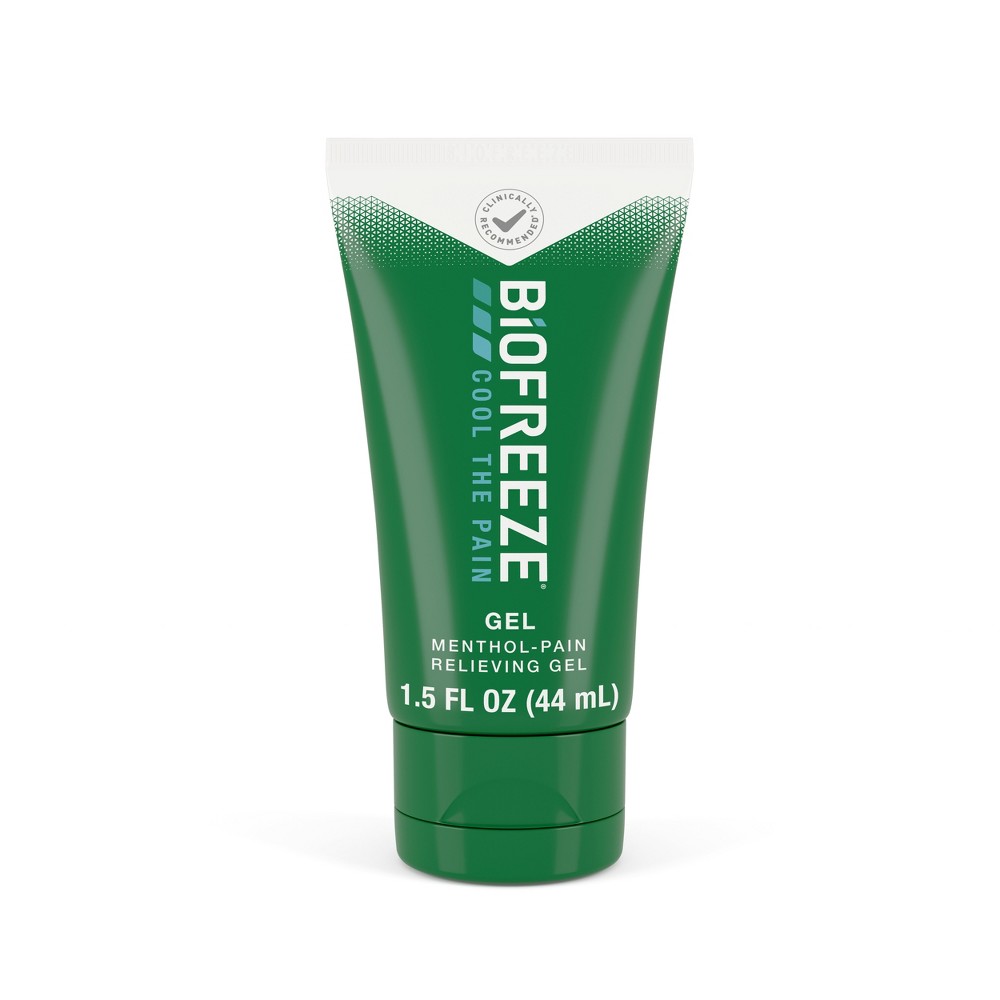
This product contains several beneficial natural extracts such as aloe vera, burdock root, arnica, and frankincense, which are known for their soothing and anti-inflammatory properties. However, the presence of Blue 1, a synthetic dye, raises concerns due to its potential for allergic reactions and irritation. The overall formulation is relatively clean, but the inclusion of a synthetic colorant prevents it from achieving a higher score.
Key ingredients 6
Aloe Barbadensis Leaf ExtractVery Good
Aloe vera is well-known for its soothing and moisturizing properties. It is often used to calm irritated skin and provide hydration. Its natural composition makes it a beneficial ingredient in skincare products.
Risks
Aloe vera is generally safe, but in rare cases, it can cause allergic reactions or skin irritation.
Benefits
Aloe vera is excellent for soothing and hydrating the skin, making it a valuable addition to skincare formulations.
Arctium Lappa Root ExtractGood
Arctium Lappa, also known as burdock root, is used for its anti-inflammatory and antioxidant properties. It can help soothe the skin and reduce redness. Its natural origin makes it a favorable ingredient in cosmetics.
Risks
Burdock root extract is generally safe, but it may cause allergic reactions in sensitive individuals.
Benefits
Burdock root extract can help calm the skin and provide antioxidant benefits, supporting overall skin health.
Arnica Montana Flower ExtractGood
Arnica Montana is used for its anti-inflammatory and pain-relieving properties. It is often applied to reduce swelling and bruising. Its natural origin is beneficial for topical applications.
Risks
Arnica can cause skin irritation or allergic reactions if used in high concentrations or on broken skin.
Benefits
Arnica is effective in reducing inflammation and bruising, making it useful for topical pain relief.
Boswellia Carterii ResinGood
Boswellia Carterii, also known as frankincense, is valued for its anti-inflammatory and soothing properties. It is often used in skincare for its ability to calm and rejuvenate the skin. Its natural origin is a positive aspect.
Risks
Frankincense is generally safe, but it may cause skin irritation in sensitive individuals.
Benefits
Frankincense can help reduce inflammation and promote skin health, making it a beneficial ingredient in skincare.
MentholNeutral
Menthol is commonly used for its cooling and soothing properties in topical applications. It can provide temporary relief from minor aches and pains. However, it may cause irritation in sensitive individuals.
Risks
Menthol can cause skin irritation or allergic reactions in some people, especially those with sensitive skin.
Benefits
Menthol provides a cooling sensation that can help relieve minor pain and discomfort.
Blue 1Bad
Blue 1 is a synthetic dye used to impart color to products. It is approved for use in cosmetics but has been associated with potential allergic reactions. Its synthetic nature and potential for irritation are concerns.
Risks
Blue 1 can cause allergic reactions or skin irritation in some individuals, particularly those with sensitivities to synthetic dyes.
Benefits
Blue 1 provides a vibrant color to products, enhancing their visual appeal.
Processing
Processed Foods
Get the full breakdown in the Scout appTake Scout shopping
Scan any product to see lab results, healthy alternatives, and your personalized analysis.
Download on theApp Store GET IT ONGoogle Play