



At a glance
Summary
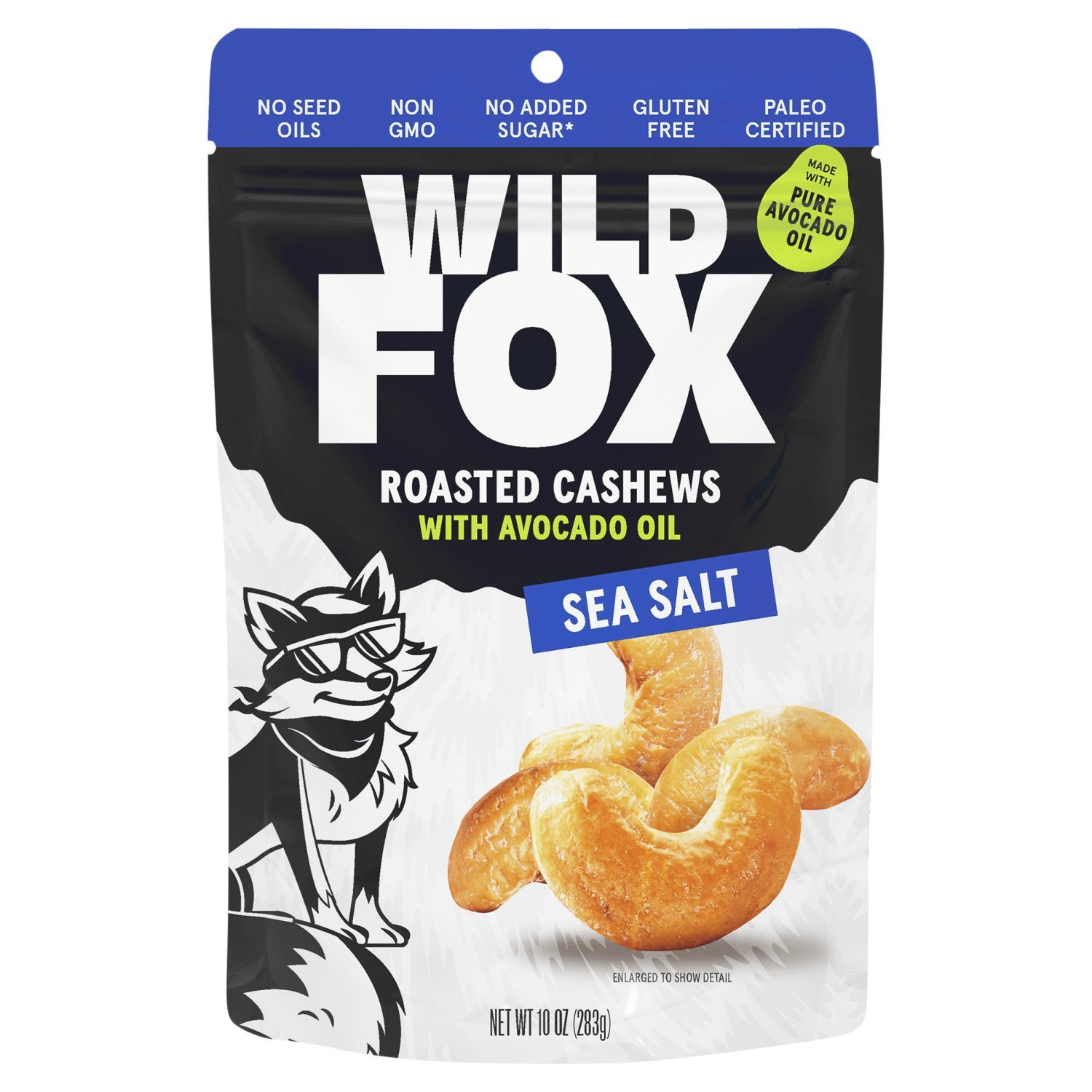
Roasted cashews are a nutritious snack, rich in healthy fats and protein. However, the use of rapeseed oil, a seed oil high in omega-6 fatty acids, detracts from the overall healthiness due to its potential to promote inflammation and its high level of processing. The product's processing level also limits its score, despite the presence of beneficial cashews.
Key ingredients 3
CashewsGood
Cashews are a nutrient-dense nut rich in healthy fats, protein, and essential minerals. They provide beneficial monounsaturated fats that support heart health. Additionally, cashews are a good source of magnesium and copper, which are important for bone health and energy production.
Risks
Cashews can be allergenic to some individuals and should be consumed with caution by those with nut allergies.
Benefits
Rich in monounsaturated fats, cashews support heart health and provide essential minerals like magnesium and copper.
SaltNeutral
Salt is used as a seasoning to enhance flavor but does not provide significant nutritional benefits. It is a refined form of sodium chloride without the trace minerals found in unrefined salts. While necessary for bodily functions, excessive intake can lead to health issues such as hypertension.
Risks
Excessive salt intake can lead to hypertension and other cardiovascular issues.
Rapeseed oilVery Bad
Rapeseed oil, also known as canola oil, is a seed oil high in omega-6 fatty acids, which can promote inflammation when consumed in excess. It is often highly processed and refined, which can reduce its nutritional quality. The high omega-6 content and processing methods make it a less desirable choice compared to other oils like olive or avocado oil.
Risks
High omega-6 content may promote inflammation and is often highly processed, which can reduce nutritional quality.
Processing
Processed Foods
Get the full breakdown in the Scout appTake Scout shopping
Scan any product to see lab results, healthy alternatives, and your personalized analysis.
Download on theApp Store GET IT ONGoogle Play