
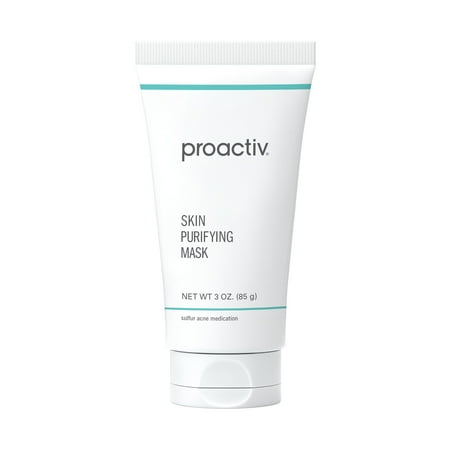

Proactiv Skin Purifying Acne Face Mask and Spot Treatment Detoxifying Facial Mask with 6% Sulfur 90-Day Supply 3 Oz
Analysis updated August 2026 · How Scout scores
At a glance
Summary
This face mask contains beneficial ingredients like sulfur, kaolin clay, vitamin E, and tea tree oil, which are known for their acne-fighting and skin-soothing properties. However, the presence of synthetic ingredients such as butylene glycol and ceteareth-20, which are common in processed skincare products, slightly lowers its score. Despite these, the product maintains a relatively clean label with a focus on effective natural actives.
Key ingredients 8
SulfurVery Good
Sulfur is known for its ability to help clear skin and reduce acne, making it a beneficial ingredient in skincare products.
See more about Sulfur →Kaolin ClayVery Good
Kaolin Clay is effective at absorbing excess oil and impurities, helping to keep skin clean and clear.
See more about Kaolin Clay →Vitamin EVery Good
Vitamin E is an antioxidant that helps protect skin cells and supports skin healing and hydration.
See more about Vitamin E →Tea Tree OilVery Good
Tea Tree Oil has natural antimicrobial properties that can help reduce bacteria and soothe skin.
See more about Tea Tree Oil →Butylene GlycolNeutral
Standard formulation ingredient — neither beneficial nor harmful at typical use.
See more about Butylene Glycol →Cetearyl AlcoholNeutral
Cetearyl Alcohol acts as an emollient and stabilizer in skincare, generally considered safe and neutral in effect.
See more about Cetearyl Alcohol →Ceteareth-20Bad
Ceteareth-20 is a surfactant that may cause skin irritation or allergic reactions in some users.
See more about Ceteareth-20 →Chromium Hydroxide GreenBad
Chromium Hydroxide Green is a colorant that may cause allergic reactions or skin sensitivities in some individuals.
Processing
Processed Foods
Get the full breakdown in the Scout appTake Scout shopping
Scan any product to see lab results, healthy alternatives, and your personalized analysis.
Download on theApp Store GET IT ONGoogle PlayAmazon pricing & content
Amazon price as of . Product prices and availability are accurate as of the date/time indicated and are subject to change. Any price and availability information displayed on Amazon.com at the time of purchase will apply to the purchase of this product.
CERTAIN CONTENT THAT APPEARS ON THIS SITE COMES FROM AMAZON. THIS CONTENT IS PROVIDED “AS IS” AND IS SUBJECT TO CHANGE OR REMOVAL AT ANY TIME.