Nothing to Hide Ingredient List
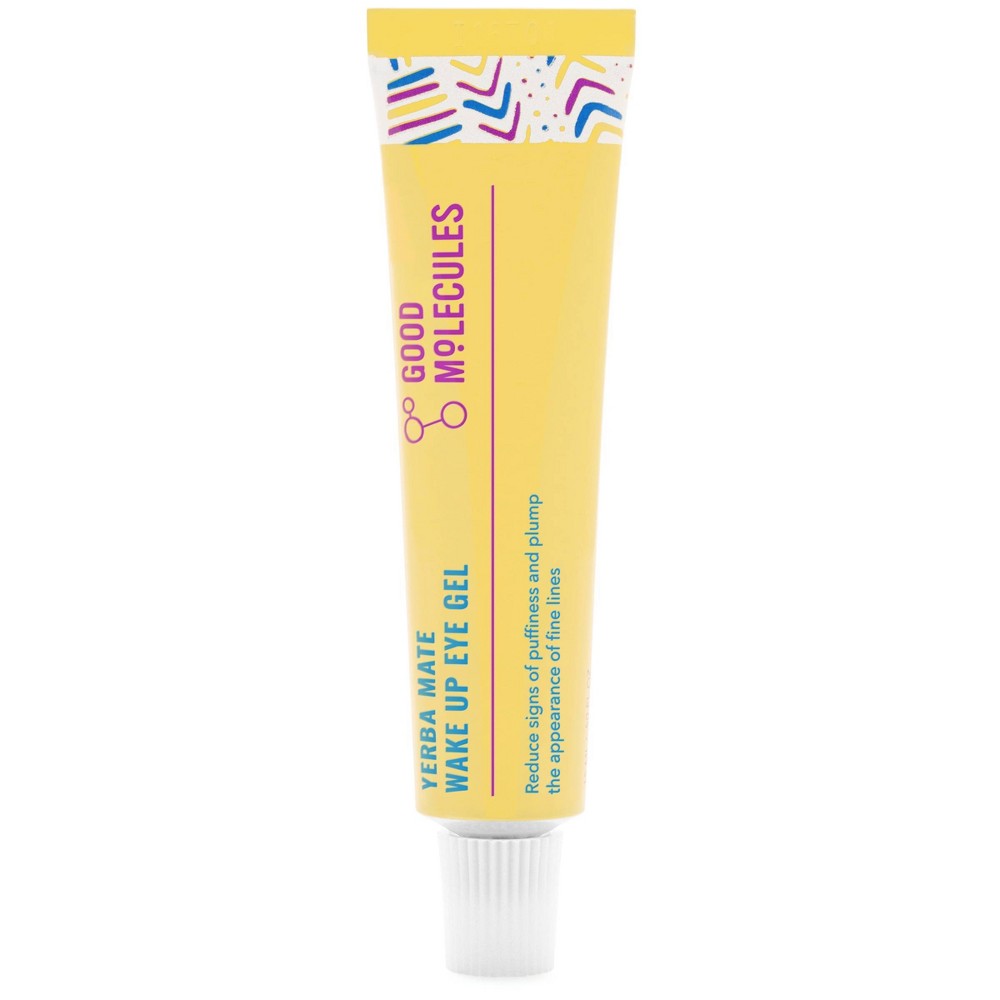
At a glance
Summary
This serum features a range of beneficial ingredients such as glycerin, panthenol, and tocopherol, which are known for their moisturizing and antioxidant properties. The inclusion of natural extracts like yerba mate and chicory root enhances its skin-soothing benefits. The product avoids harsh chemicals and synthetic fragrances, resulting in a clean label with minimal processing concerns.
Key ingredients 22
PanthenolVery Good
Panthenol, also known as provitamin B5, is a powerful moisturizer and skin conditioner. It helps in improving skin hydration and reducing inflammation. It is widely used for its soothing and healing properties.
Risks
Generally considered safe with minimal risk of irritation.
Benefits
Enhances skin hydration and promotes healing.
AllantoinVery Good
Allantoin is known for its skin-soothing and healing properties. It helps in reducing skin irritation and promoting cell regeneration. It is widely used in cosmetics for its beneficial effects on the skin.
Risks
Generally considered safe with minimal risk of irritation.
Benefits
Soothes irritated skin and promotes healing.
TocopherolVery Good
Tocopherol, or Vitamin E, is a powerful antioxidant that protects the skin from free radical damage. It helps in improving skin texture and moisture retention. It is widely used for its anti-aging and skin-protective benefits.
Risks
Generally considered safe with minimal risk of irritation.
Benefits
Provides antioxidant protection and improves skin health.
Helianthus Annuus (Sunflower) Seed OilVery Good
Sunflower seed oil is rich in essential fatty acids and vitamin E, providing excellent moisturizing and skin-protective benefits. It helps in maintaining skin barrier function and reducing inflammation. It is widely used for its nourishing properties.
Risks
Generally considered safe with minimal risk of irritation.
Benefits
Nourishes and protects the skin.
Hydrolyzed Hyaluronic AcidVery Good
Hydrolyzed Hyaluronic Acid is a smaller molecule form of hyaluronic acid that penetrates deeper into the skin. It provides intense hydration and helps in plumping the skin. It is highly valued for its moisturizing and anti-aging benefits.
Risks
Generally considered safe with minimal risk of irritation.
Benefits
Deeply hydrates and plumps the skin.
GlycerinGood
Glycerin is a well-known humectant that attracts moisture to the skin. It is beneficial for maintaining skin hydration and improving skin barrier function. It is widely used in skincare products for its moisturizing properties.
Risks
Generally considered safe with minimal risk of irritation.
Benefits
Helps in keeping the skin moisturized and supple.
Ilex Paraguariensis Leaf ExtractGood
This extract, also known as Yerba Mate, is rich in antioxidants and has anti-inflammatory properties. It is used in cosmetics for its skin-soothing benefits. It is considered beneficial for skin health.
Risks
Rarely, it may cause irritation in sensitive skin.
Benefits
Provides antioxidant protection and soothes the skin.
Cetearyl OlivateGood
Cetearyl Olivate is an emulsifier derived from olive oil, used to blend water and oil components. It is known for its moisturizing properties and skin compatibility. It is considered safe and beneficial for skin hydration.
Risks
Generally considered safe with minimal risk of irritation.
Benefits
Enhances skin hydration and improves product texture.
Sorbitan OlivateGood
Sorbitan Olivate is an emulsifier derived from olive oil, used to stabilize formulations. It is known for its moisturizing and skin-conditioning properties. It is considered safe and beneficial for skin health.
Risks
Generally considered safe with minimal risk of irritation.
Benefits
Improves skin hydration and product stability.
AdenosineGood
Adenosine is a beneficial skin-soothing and anti-aging ingredient. It helps in reducing the appearance of wrinkles and fine lines. It is considered safe and effective for improving skin texture.
Risks
Generally considered safe with minimal risk of irritation.
Benefits
Reduces signs of aging and improves skin texture.
Sodium HyaluronateGood
Sodium Hyaluronate is a salt form of hyaluronic acid, known for its ability to retain moisture in the skin. It helps in improving skin hydration and elasticity. It is widely used for its powerful moisturizing properties.
Risks
Generally considered safe with minimal risk of irritation.
Benefits
Enhances skin hydration and elasticity.
Hyaluronic AcidGood
Hyaluronic Acid is a well-known humectant that attracts and retains moisture in the skin. It helps in improving skin hydration and reducing the appearance of fine lines. It is highly valued for its moisturizing and anti-aging benefits.
Risks
Generally considered safe with minimal risk of irritation.
Benefits
Deeply hydrates and reduces signs of aging.
Acetyl Tetrapeptide-5Good
Acetyl Tetrapeptide-5 is a peptide known for its anti-edema and skin-conditioning properties. It helps in reducing puffiness and improving skin elasticity. It is considered beneficial for eye care products.
Risks
Generally considered safe with minimal risk of irritation.
Benefits
Reduces puffiness and enhances skin elasticity.
Cichorium Intybus (Chicory) Root ExtractGood
Chicory Root Extract is rich in antioxidants and has anti-inflammatory properties. It is used in cosmetics for its skin-soothing and protective benefits. It is considered beneficial for maintaining skin health.
Risks
Generally considered safe with minimal risk of irritation.
Benefits
Provides antioxidant protection and soothes the skin.
Aqua/Water/EauNeutral
Water is a common solvent used in cosmetics to dissolve other ingredients. It helps in the application and absorption of the product. It does not provide direct benefits or risks.
Risks
There are no significant risks associated with water in cosmetics.
Benefits
Water helps in the even distribution of other ingredients.
PropanediolNeutral
Propanediol is a glycol used as a solvent and skin-conditioning agent. It enhances the absorption of other ingredients. It is generally considered safe for use in cosmetics.
Risks
In rare cases, it may cause skin irritation.
Benefits
It helps in improving the texture and feel of the product.
Butylene GlycolNeutral
Butylene Glycol is a common humectant that helps retain moisture in the skin. It also acts as a solvent for other ingredients. It is widely used and considered safe in cosmetics.
Risks
May cause irritation in sensitive skin types.
Benefits
Helps in maintaining skin hydration.
1, 2-HexanediolNeutral
1, 2-Hexanediol is used as a preservative and emollient in cosmetics. It helps in preventing microbial growth in the product. It is considered safe for use in cosmetics.
Risks
May cause mild irritation in sensitive individuals.
Benefits
Acts as a preservative to extend product shelf life.
Sodium Polyacryloyldimethyl TaurateNeutral
This ingredient is used as a thickening agent and stabilizer in cosmetic formulations. It helps in improving the texture and consistency of the product. It is generally considered safe for use.
Benefits
Improves product texture and stability.
Cetyl EthylhexanoateNeutral
Cetyl Ethylhexanoate is an emollient that provides a smooth and soft feel to the skin. It is used to enhance the spreadability of the product. It is considered safe for use in cosmetics.
Risks
May cause mild irritation in sensitive skin.
Benefits
Improves skin feel and product application.
Corn Starch ModifiedNeutral
Modified corn starch is used as a thickening agent and absorbent in cosmetics. It helps in improving the texture and consistency of the product. It is generally considered safe for use.
Benefits
Enhances product texture and absorbs excess oil.
CaffeineNeutral
Standard formulation ingredient — neither beneficial nor harmful at typical use.
Risks
Generally considered safe with minimal risk of irritation.
Benefits
Reduces puffiness and improves skin appearance.
Processing
Processed Foods
Get the full breakdown in the Scout appTake Scout shopping
Scan any product to see lab results, healthy alternatives, and your personalized analysis.
Are you Good Molecules? Fix an error Get the badge Get tested
Amazon pricing & content
Amazon price as of . Product prices and availability are accurate as of the date/time indicated and are subject to change. Any price and availability information displayed on Amazon.com at the time of purchase will apply to the purchase of this product.
CERTAIN CONTENT THAT APPEARS ON THIS SITE COMES FROM AMAZON. THIS CONTENT IS PROVIDED “AS IS” AND IS SUBJECT TO CHANGE OR REMOVAL AT ANY TIME.