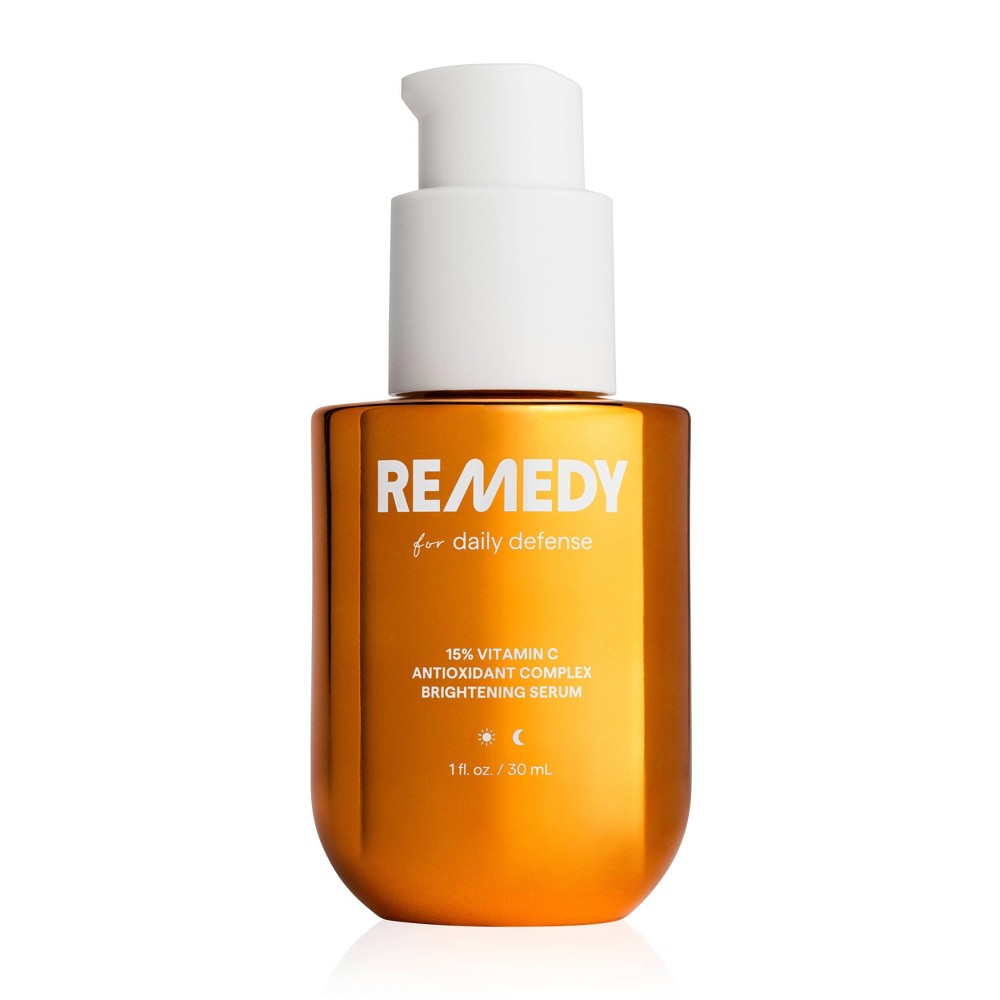
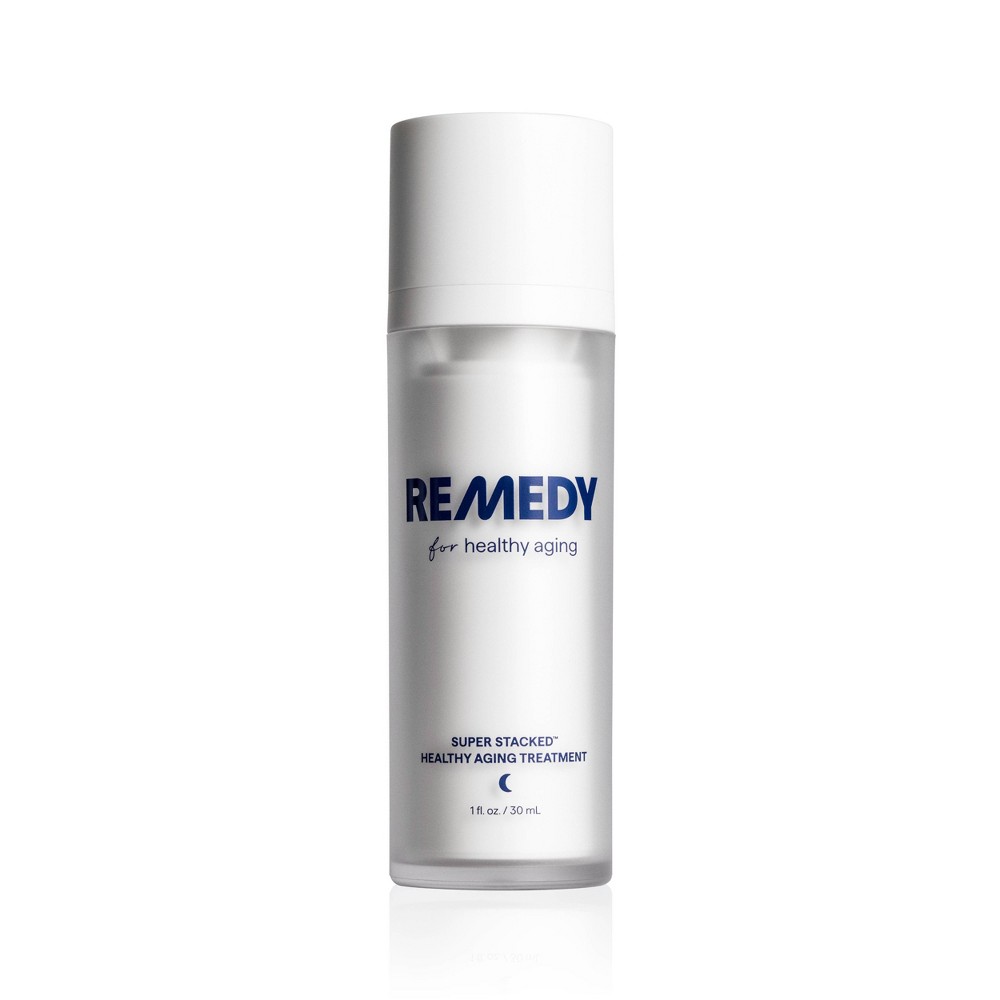
Remedy Skin Healthy Aging Serum with Retinol, Glycolic Acid, Niacinamide, Argireline for Fine lines, Wrinkles, Firmness and Elasticity - 1 fl oz
At a glance
Summary
This serum contains a variety of beneficial ingredients such as niacinamide, retinol, and glycolic acid, which are known for their anti-aging and skin-brightening properties. The presence of natural oils and peptides further enhances its skin health benefits. However, the inclusion of phenoxyethanol, a preservative that can be irritating, slightly detracts from its overall safety profile.
Key ingredients 41
RetinolVery Good
Retinol is a form of Vitamin A that promotes cell turnover and collagen production. It is highly effective in reducing wrinkles and improving skin firmness. It is a powerful anti-aging ingredient.
Risks
Can cause irritation, redness, and peeling, especially when first introduced.
Benefits
Reduces signs of aging and improves skin texture and tone.
RetinaldehydeVery Good
Retinaldehyde is a potent form of Vitamin A that is effective in reducing wrinkles and improving skin texture. It is less irritating than retinol while providing similar benefits. It is highly beneficial for anti-aging.
Risks
May cause mild irritation or sensitivity, especially in sensitive skin.
Benefits
Promotes collagen production and reduces signs of aging.
SqualaneVery Good
Squalane is a lightweight, non-greasy oil that mimics the skin's natural sebum. It provides excellent hydration and helps restore the skin barrier. It is suitable for all skin types and highly beneficial for moisturizing.
Benefits
Deeply hydrates and protects the skin barrier.
Simmondsia Chinensis (Jojoba) Seed OilVery Good
Jojoba Oil is a natural oil that closely resembles the skin's natural sebum. It provides excellent moisturizing properties and helps balance oil production. It is highly beneficial for all skin types.
Benefits
Moisturizes and balances the skin's natural oils.
Camellia Sinensis Leaf ExtractVery Good
Camellia Sinensis Leaf Extract, or Green Tea Extract, is rich in antioxidants and has anti-inflammatory properties. It helps protect the skin from environmental damage and soothes irritation. It is highly beneficial for maintaining healthy skin.
Risks
Generally safe with no significant risks.
Benefits
Provides antioxidant protection and soothes the skin.
NiacinamideGood
Niacinamide is a form of Vitamin B3 known for its anti-inflammatory and skin-brightening properties. It helps improve skin elasticity and reduce fine lines. It is highly beneficial for overall skin health.
Risks
Generally well-tolerated, but high concentrations may cause mild irritation.
Benefits
Reduces inflammation, improves skin tone, and enhances barrier function.
GlycerinGood
Glycerin is a humectant that attracts moisture to the skin, keeping it hydrated. It is a common ingredient in skincare for its moisturizing properties. It is safe and effective for all skin types.
Benefits
Helps maintain skin hydration and smoothness.
Glycolic AcidGood
Glycolic Acid is an alpha hydroxy acid (AHA) that exfoliates the skin, promoting cell turnover. It helps improve skin texture and reduce signs of aging. It is effective for brightening and smoothing the skin.
Risks
Can cause irritation and sensitivity, especially in high concentrations.
Benefits
Exfoliates dead skin cells, revealing a brighter complexion.
PhospholipidsGood
Phospholipids are natural components of cell membranes that help maintain skin barrier function. They enhance the delivery of active ingredients and improve skin hydration. They are beneficial for skin health and repair.
Risks
Generally safe with no significant risks.
Benefits
Supports skin barrier function and enhances ingredient absorption.
Caprylic/Capric TriglycerideGood
Caprylic/Capric Triglyceride is an emollient derived from coconut oil and glycerin. It helps improve the spreadability and absorption of the product. It is non-greasy and suitable for all skin types.
Benefits
Provides lightweight moisture and enhances product texture.
Acetyl Hexapeptide-8Good
Acetyl Hexapeptide-8 is a peptide that helps reduce the appearance of fine lines and wrinkles. It is often referred to as 'Botox in a jar' for its ability to relax facial muscles. It is beneficial for anti-aging skincare.
Risks
Generally safe with no significant risks.
Benefits
Reduces the appearance of expression lines and wrinkles.
Palmitoyl Tripeptide-1Good
Palmitoyl Tripeptide-1 is a peptide that stimulates collagen production and skin repair. It helps reduce the appearance of fine lines and improve skin elasticity. It is beneficial for anti-aging and skin rejuvenation.
Risks
Generally safe with no significant risks.
Benefits
Enhances collagen production and skin firmness.
Palmitoyl Tetrapeptide-7Good
Palmitoyl Tetrapeptide-7 is a peptide that helps reduce inflammation and improve skin elasticity. It works synergistically with other peptides to enhance skin repair. It is beneficial for reducing signs of aging.
Risks
Generally safe with no significant risks.
Benefits
Reduces inflammation and supports skin elasticity.
Ceramide NPGood
Ceramide NP is a lipid that helps restore the skin barrier and retain moisture. It is essential for maintaining healthy skin and preventing moisture loss. It is highly beneficial for skin hydration and repair.
Benefits
Strengthens the skin barrier and improves hydration.
Pichia/Resveratrol Ferment ExtractGood
This extract is rich in antioxidants and helps protect the skin from environmental damage. It has anti-aging properties and supports skin health. It is beneficial for reducing oxidative stress on the skin.
Risks
Generally safe with no significant risks.
Benefits
Provides antioxidant protection and supports skin health.
GluconolactoneGood
Gluconolactone is a polyhydroxy acid (PHA) that gently exfoliates and hydrates the skin. It is suitable for sensitive skin and helps improve skin texture. It is beneficial for maintaining smooth and hydrated skin.
Risks
Generally safe with no significant risks.
Benefits
Gently exfoliates and enhances skin hydration.
Ferulic AcidGood
Ferulic Acid is an antioxidant that helps protect the skin from free radical damage. It enhances the stability and effectiveness of other antioxidants. It is beneficial for anti-aging and skin protection.
Risks
Generally safe with no significant risks.
Benefits
Provides antioxidant protection and boosts other antioxidants.
Centella Asiatica Meristem Cell CultureGood
Centella Asiatica is known for its soothing and healing properties. It helps reduce inflammation and supports skin repair. It is beneficial for calming irritated skin and promoting healing.
Risks
Generally safe with no significant risks.
Benefits
Soothes and heals the skin, reducing inflammation.
UbiquinoneGood
Ubiquinone, also known as Coenzyme Q10, is an antioxidant that helps protect the skin from oxidative stress. It supports skin repair and reduces signs of aging. It is beneficial for maintaining youthful skin.
Risks
Generally safe with no significant risks.
Benefits
Provides antioxidant protection and supports skin repair.
TocopherolGood
Tocopherol, or Vitamin E, is an antioxidant that helps protect the skin from free radical damage. It supports skin repair and improves moisture retention. It is beneficial for maintaining healthy, hydrated skin.
Risks
Generally safe with no significant risks.
Benefits
Provides antioxidant protection and enhances skin hydration.
Sodium HyaluronateGood
Sodium Hyaluronate is a form of hyaluronic acid that provides intense hydration to the skin. It helps retain moisture and improve skin elasticity. It is highly beneficial for maintaining plump, hydrated skin.
Benefits
Deeply hydrates and improves skin elasticity.
Curcuma Longa (Turmeric) Root ExtractGood
Turmeric Root Extract is known for its anti-inflammatory and antioxidant properties. It helps reduce redness and protect the skin from environmental damage. It is beneficial for calming and brightening the skin.
Risks
Generally safe with no significant risks.
Benefits
Reduces inflammation and provides antioxidant protection.
Water (Aqua)Neutral
Water is a common solvent used in cosmetic formulations. It helps dissolve other ingredients and provides a base for the serum. It does not have any active benefits or risks.
Benefits
Provides a medium for other ingredients to be delivered to the skin.
PropanediolNeutral
Propanediol is a glycol that acts as a solvent and humectant in skincare products. It helps improve the texture and absorption of the product. It is generally considered safe for use in cosmetics.
Risks
May cause mild irritation in sensitive individuals.
Benefits
Enhances skin moisture retention and improves product texture.
Glyceryl StearateNeutral
Glyceryl Stearate is an emulsifier that helps blend water and oil components. It contributes to the creamy texture of the serum. It is widely used and considered safe in cosmetics.
Risks
Rarely, it may cause skin irritation.
Benefits
Improves product stability and texture.
Cetearyl AlcoholNeutral
Cetearyl Alcohol is a fatty alcohol used as an emollient and thickener. It helps improve the texture and feel of the product. It is non-irritating and safe for use in cosmetics.
Risks
Generally safe, but may cause mild irritation in sensitive skin.
Benefits
Enhances product texture and provides a smooth application.
Lactic AcidNeutral
Standard formulation ingredient — neither beneficial nor harmful at typical use.
Risks
May cause irritation or sensitivity, particularly in sensitive skin.
Benefits
Promotes gentle exfoliation and enhances skin hydration.
CelluloseNeutral
Cellulose is a natural polymer used as a thickener and stabilizer in cosmetics. It helps improve the texture and consistency of the product. It is safe and non-irritating for all skin types.
Benefits
Enhances product stability and texture.
Dicaprylyl CarbonateNeutral
Dicaprylyl Carbonate is an emollient that provides a silky feel to the skin. It helps improve the spreadability of the product. It is considered safe and non-irritating.
Benefits
Enhances product texture and provides a smooth application.
Sodium HydroxideNeutral
Sodium Hydroxide is used to adjust the pH of cosmetic formulations. It is used in very small amounts to ensure product stability. It is safe when used in appropriate concentrations.
Risks
Can be irritating in high concentrations, but typically used in safe amounts.
Benefits
Helps maintain the stability and effectiveness of the product.
Sodium Magnesium SilicateNeutral
Sodium Magnesium Silicate is used as a thickening agent in cosmetics. It helps improve the texture and consistency of the product. It is considered safe for use in skincare.
Benefits
Enhances product texture and stability.
Acacia Senegal GumNeutral
Acacia Senegal Gum is a natural gum used as a thickener and stabilizer in cosmetics. It helps improve the texture and consistency of the product. It is considered safe for use in skincare.
Benefits
Enhances product texture and stability.
Xanthan GumNeutral
Xanthan Gum is a natural thickening agent used to stabilize cosmetic formulations. It helps improve the texture and consistency of the product. It is safe and non-irritating for all skin types.
Benefits
Improves product texture and stability.
Sodium PhytateNeutral
Sodium Phytate is a chelating agent that helps stabilize cosmetic formulations. It binds metal ions to prevent product degradation. It is considered safe for use in skincare.
Benefits
Stabilizes formulations and prevents degradation.
Butylene GlycolNeutral
Butylene Glycol is a solvent and humectant that helps improve the texture and absorption of the product. It is commonly used in cosmetics for its moisturizing properties. It is considered safe for use in skincare.
Risks
May cause mild irritation in sensitive skin.
Benefits
Enhances product absorption and provides moisture.
Polysorbate 20Neutral
Polysorbate 20 is an emulsifier that helps blend oil and water components in cosmetics. It improves the texture and stability of the product. It is considered safe for use in skincare.
Benefits
Enhances product stability and texture.
Citric AcidNeutral
Citric Acid is used to adjust the pH of cosmetic formulations. It helps maintain product stability and effectiveness. It is safe when used in appropriate concentrations.
Risks
Can be irritating in high concentrations, but typically used in safe amounts.
Benefits
Helps maintain product stability and pH balance.
CarbomerNeutral
Carbomer is a thickening agent used to stabilize and improve the texture of cosmetic formulations. It helps create a smooth, gel-like consistency. It is considered safe for use in skincare.
Benefits
Enhances product texture and stability.
Sodium BenzoateBad
Synthetic preservative that can form benzene in the presence of vitamin C.
Risks
May cause irritation in sensitive individuals, but generally safe.
Benefits
Prevents microbial growth and extends product shelf life.
Potassium SorbateBad
Synthetic preservative — flagged in daily-use products.
Risks
May cause irritation in sensitive individuals, but generally safe.
Benefits
Prevents microbial growth and extends product shelf life.
PhenoxyethanolBad
Phenoxyethanol is a preservative used to prevent microbial growth in cosmetics. It is effective but can be irritating to the skin and eyes. It is considered safe in low concentrations but has potential risks.
Risks
Can cause irritation and allergic reactions in some individuals.
Benefits
Prevents microbial growth and extends product shelf life.
Get the full breakdown in the Scout appTake Scout shopping
Scan any product to see lab results, healthy alternatives, and your personalized analysis.
Are you Remedy? Fix an error Get the badge Get tested
Amazon pricing & content
Amazon price as of . Product prices and availability are accurate as of the date/time indicated and are subject to change. Any price and availability information displayed on Amazon.com at the time of purchase will apply to the purchase of this product.
CERTAIN CONTENT THAT APPEARS ON THIS SITE COMES FROM AMAZON. THIS CONTENT IS PROVIDED “AS IS” AND IS SUBJECT TO CHANGE OR REMOVAL AT ANY TIME.