
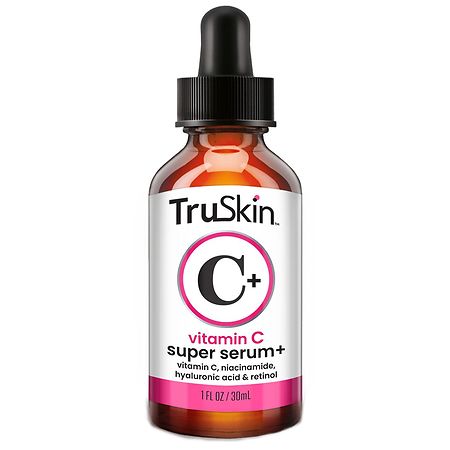
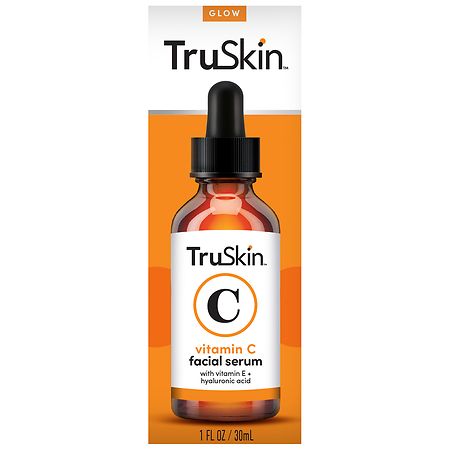
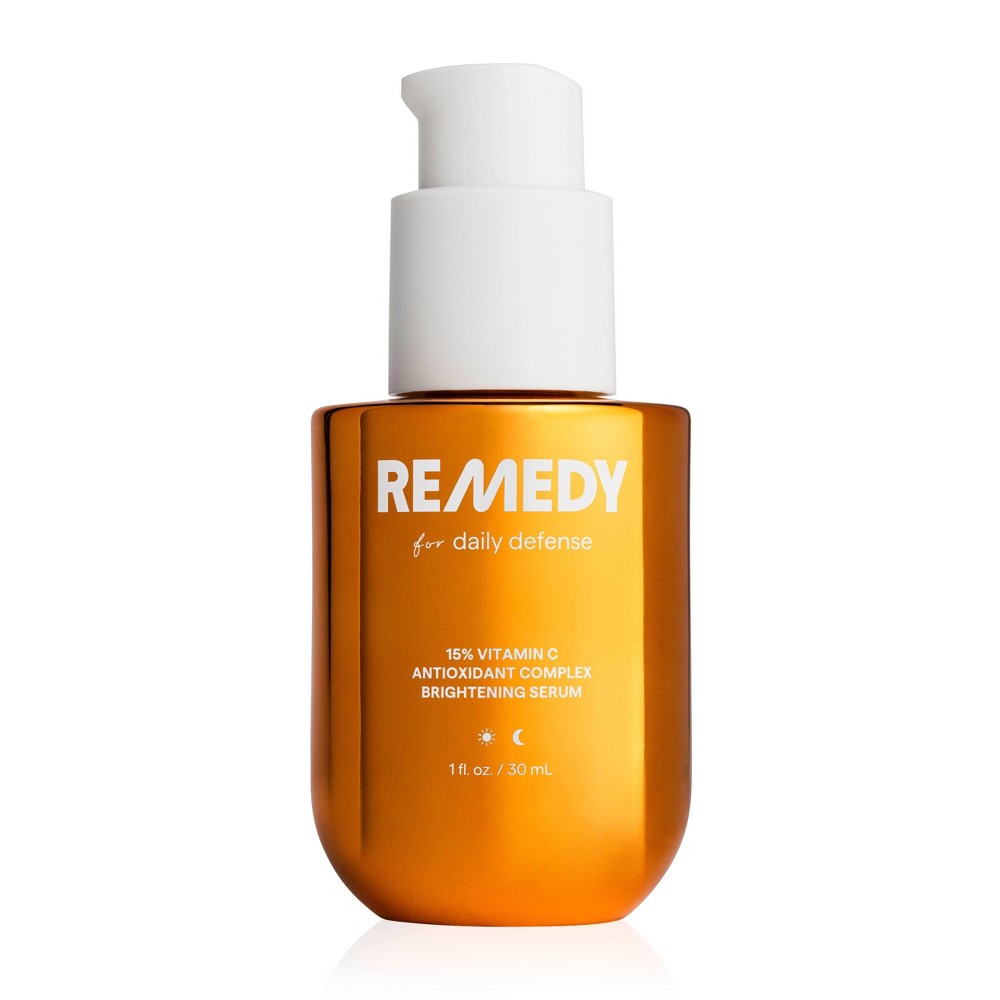
TruSkin Vitamin C Super All-in-One Anti-Aging Face Serum with Niacinamide, Retinol & Squalane: Combination Skin
Analysis updated August 2026 · How Scout scores
At a glance
Summary
This serum contains a variety of beneficial ingredients such as Vitamin C, hyaluronic acid, rose hip seed oil, retinol, and niacinamide, which are known for their anti-aging and skin-nourishing properties. The presence of phenoxyethanol as a preservative is a minor concern due to potential irritation, but it is a common alternative to more harmful preservatives. Overall, the product features a clean ingredient list with minimal processing, contributing to its high rating.
Key ingredients 25
Sodium Ascorbyl Phosphate (Vitamin C)Very Good
Sodium Ascorbyl Phosphate is a stable form of Vitamin C known for its antioxidant properties. It helps brighten the skin and reduce signs of aging. It is well-tolerated by most skin types.
Risks
May cause mild irritation in sensitive skin.
Benefits
Helps in collagen production and reduces skin discoloration.
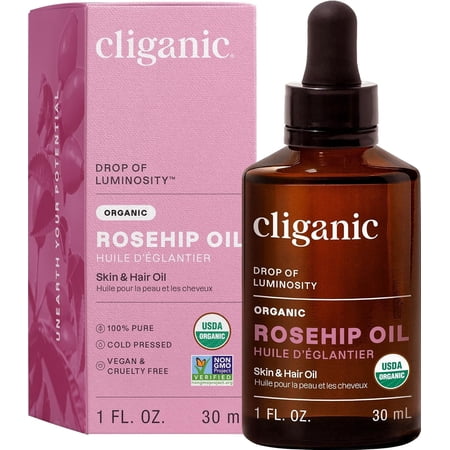
Organic Rosa Canina (Rose Hip) Seed OilVery Good
Rose Hip Seed Oil is rich in essential fatty acids and antioxidants. It helps nourish and regenerate the skin. It is particularly beneficial for reducing scars and fine lines.
Risks
May cause breakouts in acne-prone skin.
Benefits
Promotes skin regeneration and improves texture.
RetinolVery Good
Retinol is a potent form of Vitamin A that promotes cell turnover. It helps reduce the appearance of fine lines and wrinkles. It is widely recognized for its anti-aging benefits.
Risks
Can cause irritation and sensitivity, especially in high concentrations.
Benefits
Improves skin texture and reduces signs of aging.
SqualaneVery Good
Squalane is a highly effective emollient and natural antioxidant. It mimics the skin's natural oils, providing moisture without clogging pores. It is suitable for all skin types.
Risks
Generally considered safe with minimal risk.
Benefits
Moisturizes and protects the skin barrier.
Organic Aloe Barbadensis (Aloe Vera) Leaf Juice PowderVery Good
Aloe Vera is known for its soothing and hydrating properties. It helps calm irritated skin and provides moisture. It is beneficial for all skin types, especially sensitive skin.
Risks
Generally safe with low risk of irritation.
Benefits
Soothes and hydrates the skin.
Cassia Angustifolia Seed PolysaccharideGood
This ingredient is a botanical alternative to hyaluronic acid, providing hydration to the skin. It forms a protective film on the skin's surface. It is derived from natural sources.
Risks
Minimal risk of allergic reaction.
Benefits
Enhances skin moisture and smoothness.
Sodium Hyaluronate (Hyaluronic Acid)Good
Sodium Hyaluronate is a form of hyaluronic acid that penetrates the skin easily. It is known for its excellent moisture-retaining properties. It helps keep the skin plump and hydrated.
Risks
Generally safe with low risk of irritation.
Benefits
Improves skin hydration and elasticity.
Dimethyl Sulfone (MSM)Good
MSM is known for its anti-inflammatory properties and ability to improve skin health. It helps reduce redness and irritation. It is often used to enhance the effectiveness of other ingredients.
Risks
Rarely causes skin irritation.
Benefits
Reduces inflammation and improves skin texture.
NiacinamideGood
Niacinamide is a form of Vitamin B3 that improves skin elasticity and enhances barrier function. It helps reduce redness and blotchiness. It is well-tolerated by most skin types.
Risks
Rarely causes mild irritation.
Benefits
Improves skin tone and reduces inflammation.
ArginineGood
Arginine is an amino acid that helps maintain skin hydration. It supports collagen production and wound healing. It is beneficial for maintaining skin elasticity.
Risks
Low risk of irritation.
Benefits
Enhances skin hydration and elasticity.
Salicylic AcidGood
Salicylic Acid is a beta hydroxy acid that exfoliates the skin and unclogs pores. It is effective in treating acne and improving skin texture. It is widely used in skincare for its exfoliating properties.
Risks
Can cause dryness and irritation if overused.
Benefits
Reduces acne and improves skin texture.
Centella Asiatica (Gotu Kola) ExtractGood
Gotu Kola Extract is known for its healing and anti-inflammatory properties. It helps improve skin elasticity and reduce scarring. It is beneficial for sensitive and aging skin.
Risks
Low risk of allergic reaction.
Benefits
Promotes skin healing and reduces inflammation.
Equisetum Arvense (Horsetail) ExtractGood
Horsetail Extract is rich in silica, which supports skin health and elasticity. It has antioxidant properties that protect the skin from damage. It is used for its astringent and healing properties.
Risks
Minimal risk of irritation.
Benefits
Supports skin elasticity and provides antioxidant protection.
Taraxacum Officinale (Dandelion) ExtractGood
Dandelion Extract is known for its detoxifying and antioxidant properties. It helps protect the skin from environmental stressors. It is beneficial for maintaining healthy skin.
Risks
Low risk of irritation.
Benefits
Detoxifies and protects the skin.
Geranium Maculatum (Geranium) ExtractGood
Geranium Extract is used for its astringent and anti-inflammatory properties. It helps balance the skin's oil production and improve skin tone. It is beneficial for oily and acne-prone skin.
Risks
May cause irritation in sensitive skin.
Benefits
Balances oil production and improves skin tone.
Glycerin (Vegetable Source)Good
Glycerin is a humectant that attracts moisture to the skin. It helps keep the skin hydrated and soft. It is derived from vegetable sources and is widely used in skincare.
Risks
Generally safe with low risk of irritation.
Benefits
Hydrates and softens the skin.
Tocopherol (Vitamin E)Good
Tocopherol is a form of Vitamin E known for its antioxidant properties. It helps protect the skin from free radical damage. It is beneficial for maintaining healthy skin.
Risks
Low risk of irritation.
Benefits
Protects the skin from oxidative stress.
Water (Aqua)Neutral
Water is a common solvent used in cosmetic formulations. It helps dissolve other ingredients and provides a base for the serum. It does not have any direct benefits or risks.
Benefits
Provides a medium for other ingredients to be delivered to the skin.
Citrus Paradisi (Grapefruit) Peel OilNeutral
Grapefruit Peel Oil is used for its fragrance and potential antioxidant properties. It can provide a refreshing scent to the product. However, it may cause photosensitivity.
Risks
May increase sensitivity to sunlight.
Benefits
Provides a natural fragrance and potential antioxidant benefits.
HydroxyethylcelluloseNeutral
Hydroxyethylcellulose is a thickening agent used to improve the texture of cosmetic products. It helps stabilize emulsions and provides a smooth application. It is generally considered safe for use in cosmetics.
Benefits
Improves product texture and stability.
CarbomerNeutral
Carbomer is a thickening agent used to create gel-like textures in cosmetics. It helps stabilize and thicken formulations. It is widely used and considered safe in cosmetics.
Benefits
Provides a gel-like texture and stabilizes formulations.
EthylhexylglycerinNeutral
Ethylhexylglycerin is used as a preservative and skin conditioning agent. It enhances the efficacy of other preservatives. It is generally considered safe for use in cosmetics.
Risks
Low risk of irritation.
Benefits
Enhances preservative efficacy and conditions the skin.
Polysorbate 20Neutral
Polysorbate 20 is an emulsifier used to mix oil and water-based ingredients. It helps stabilize formulations and improve texture. It is widely used and considered safe in cosmetics.
Benefits
Stabilizes formulations and improves texture.
PhenoxyethanolBad
Phenoxyethanol is a preservative used to prevent microbial growth in cosmetics. It is effective but can cause irritation in some individuals. It is a common alternative to parabens.
Risks
May cause skin irritation and allergic reactions.
Benefits
Prevents microbial growth and extends product shelf life.
Sodium BenzoateBad
Synthetic preservative that can form benzene in the presence of vitamin C.
Benefits
Prevents microbial growth and extends product shelf life.
Get the full breakdown in the Scout appTake Scout shopping
Scan any product to see lab results, healthy alternatives, and your personalized analysis.
Download on theApp Store GET IT ONGoogle PlayAmazon pricing & content
Amazon price as of . Product prices and availability are accurate as of the date/time indicated and are subject to change. Any price and availability information displayed on Amazon.com at the time of purchase will apply to the purchase of this product.
CERTAIN CONTENT THAT APPEARS ON THIS SITE COMES FROM AMAZON. THIS CONTENT IS PROVIDED “AS IS” AND IS SUBJECT TO CHANGE OR REMOVAL AT ANY TIME.