
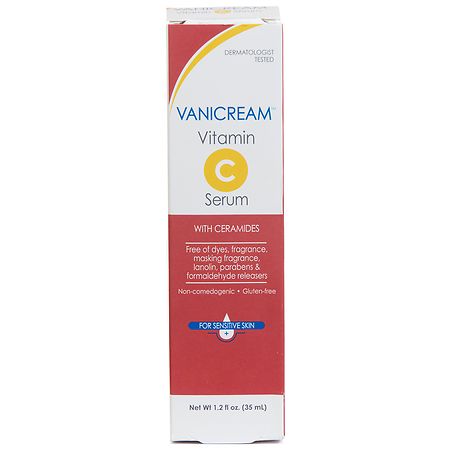
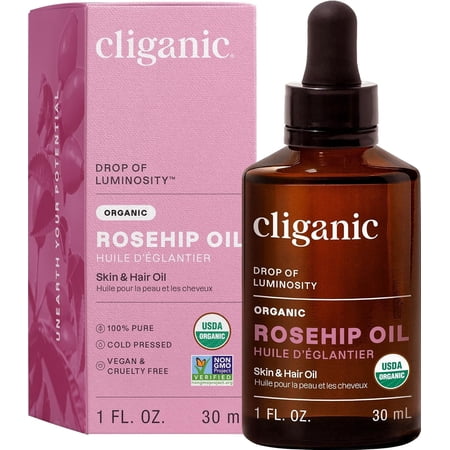
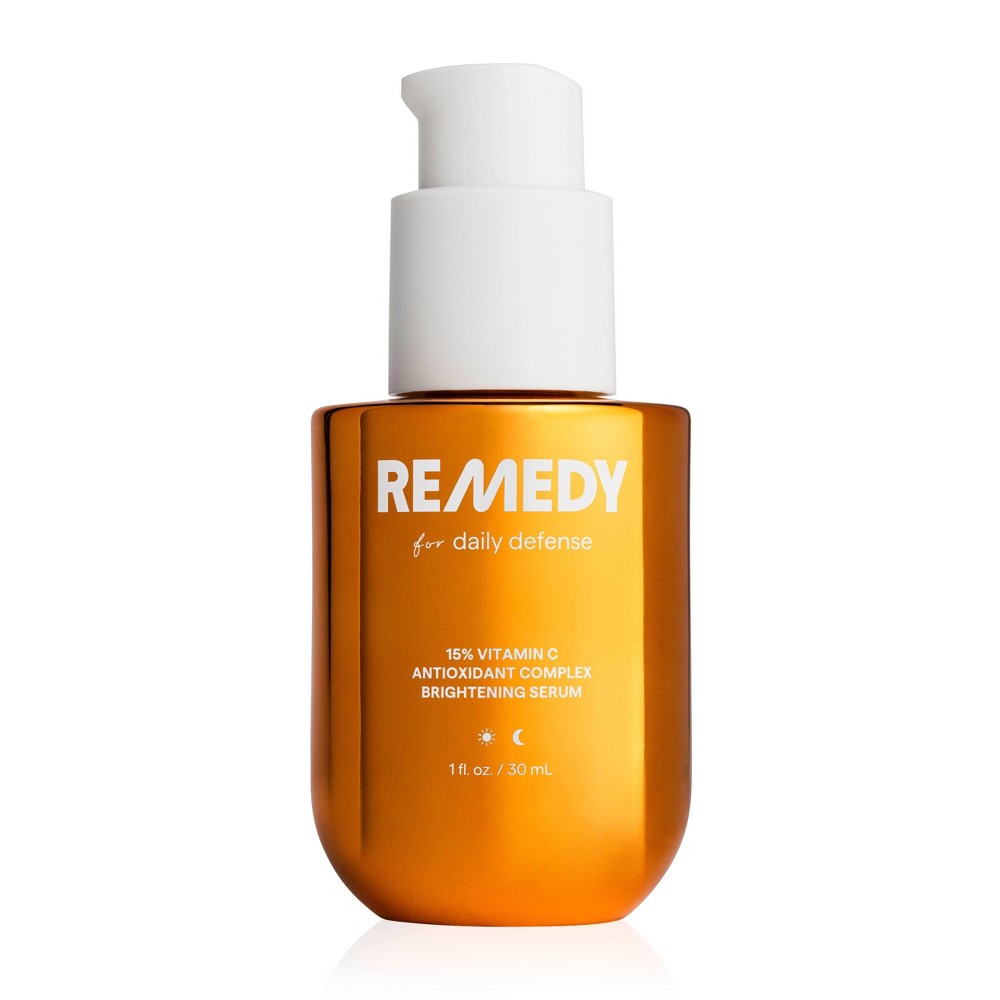

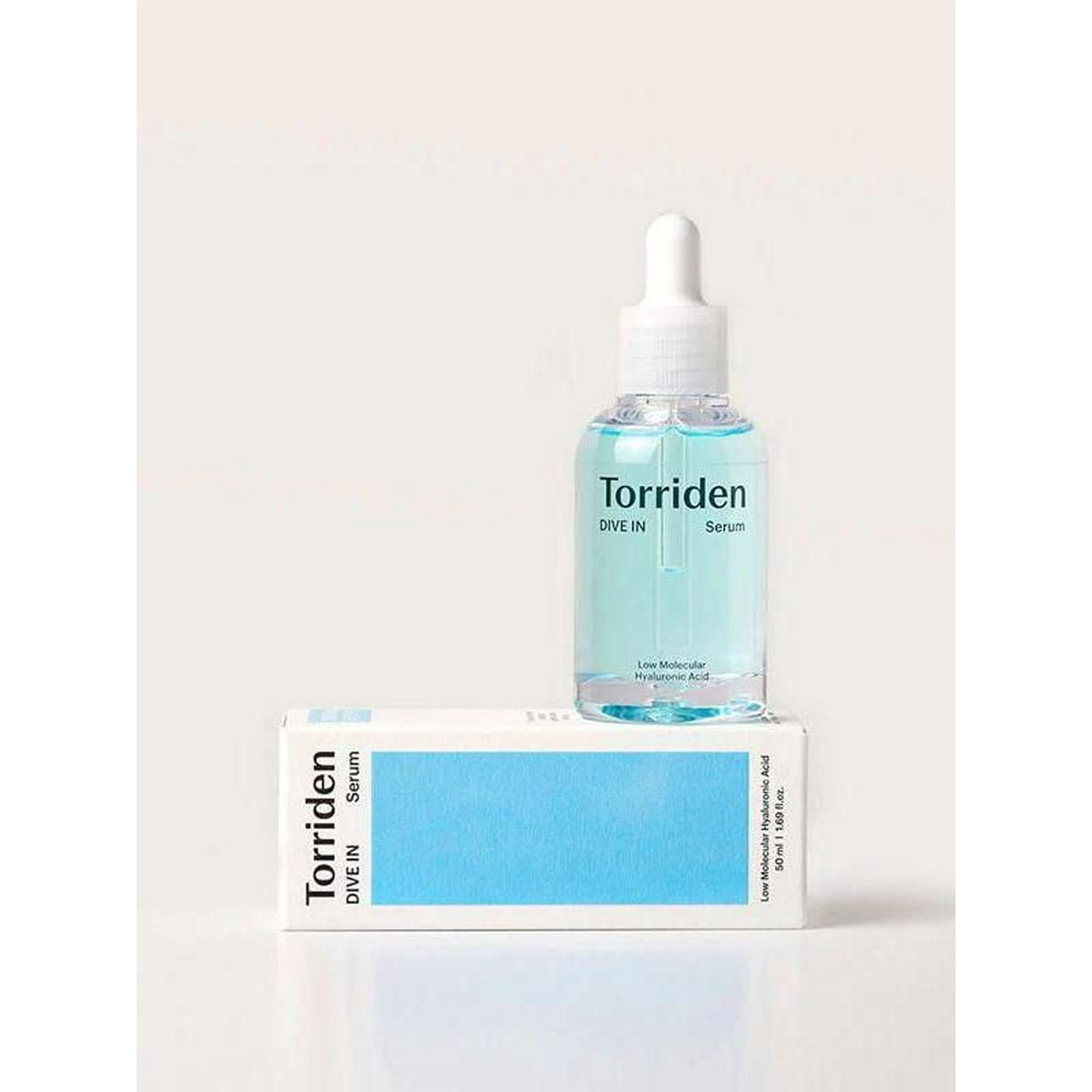
Vanicream Vitamin C Face Serum with Ceramides for Sensitive Skin - Unscented - 1.2 fl oz
Analysis updated August 2026 · How Scout scores
At a glance
Summary
This serum contains beneficial ingredients such as glycerin, a stable form of Vitamin C, and multiple ceramides, which are excellent for skin hydration and barrier support. The formulation is unscented and free from harsh chemicals, making it suitable for sensitive skin. However, the presence of polyacrylate crosspolymer-6, a synthetic thickener, indicates a moderate level of processing, which slightly limits the score despite the overall clean ingredient profile.
Key ingredients 20
tetrahexyldecyl ascorbateVery Good
Tetrahexyldecyl ascorbate is a stable form of Vitamin C that penetrates the skin effectively. It is known for its antioxidant properties and ability to brighten the skin. It is beneficial for reducing signs of aging and improving skin tone.
Risks
There are minimal risks, though some individuals may experience mild irritation.
Benefits
It provides antioxidant protection and helps to brighten and even out skin tone.
ceramide eopVery Good
Ceramide EOP is a type of ceramide that plays a crucial role in maintaining the skin's barrier function. It helps to lock in moisture and protect the skin from environmental damage. It is beneficial for improving skin hydration and resilience.
Risks
There are no significant risks associated with ceramides.
Benefits
It helps to maintain the skin's barrier and improve hydration.
ceramide apVery Good
Ceramide AP is a skin-identical lipid that helps to reinforce the skin's natural barrier. It aids in retaining moisture and protecting the skin from irritants. It is beneficial for enhancing skin hydration and barrier function.
Risks
There are no significant risks associated with ceramides.
Benefits
It helps to reinforce the skin's barrier and improve moisture retention.
ceramide ngVery Good
Ceramide NG is a lipid that supports the skin's barrier function and helps to retain moisture. It is essential for maintaining healthy, hydrated skin. It is beneficial for all skin types, particularly dry and sensitive skin.
Risks
There are no significant risks associated with ceramides.
Benefits
It supports the skin's barrier and helps to retain moisture.
ceramide asVery Good
Ceramide AS is a type of ceramide that helps to strengthen the skin's barrier and retain moisture. It is crucial for maintaining skin health and preventing moisture loss. It is beneficial for improving skin hydration and resilience.
Risks
There are no significant risks associated with ceramides.
Benefits
It strengthens the skin's barrier and improves moisture retention.
glycerinGood
Glycerin is a humectant that attracts moisture to the skin, helping to keep it hydrated. It is widely used in skincare for its moisturizing properties. It is generally well-tolerated by most skin types.
Risks
In rare cases, glycerin can cause irritation if used in high concentrations.
Benefits
Glycerin helps to maintain skin hydration and improve skin barrier function.
carnosineGood
Carnosine is a dipeptide with antioxidant properties that helps to protect the skin from oxidative stress. It is known for its anti-aging benefits and ability to improve skin elasticity. It is generally well-tolerated in skincare formulations.
Risks
There are minimal risks, though some individuals may experience mild irritation.
Benefits
It provides antioxidant protection and helps to improve skin elasticity.
ceramide npGood
Ceramide NP is a lipid that helps to restore the skin barrier and retain moisture. It is essential for maintaining healthy skin and preventing moisture loss. It is beneficial for all skin types, especially dry and sensitive skin.
Risks
There are no significant risks associated with ceramides.
Benefits
It helps to restore the skin barrier and improve hydration.
phytosterolsGood
Phytosterols are plant-derived compounds that help to soothe and moisturize the skin. They are known for their anti-inflammatory properties and ability to improve skin barrier function. They are beneficial for calming irritated skin and enhancing hydration.
Risks
There are minimal risks, though some individuals may experience mild irritation.
Benefits
They help to soothe and moisturize the skin, improving barrier function.
waterNeutral
Water is a common solvent used in cosmetics to dissolve other ingredients. It helps in the application and absorption of the product. It does not provide direct benefits or risks.
Risks
There are no significant risks associated with water in cosmetics.
Benefits
Water helps in the application and absorption of the product.
diisooctyl succinateNeutral
Diisooctyl succinate is an emollient that helps to soften and smooth the skin. It is used to improve the texture and feel of cosmetic products. It is considered safe for use in cosmetics.
Risks
There are no significant risks associated with diisooctyl succinate in cosmetics.
Benefits
It helps to improve the texture and feel of the skin.
pentylene glycolNeutral
Pentylene glycol is a synthetic humectant and solvent that helps to retain moisture in the skin. It also enhances the absorption of other ingredients. It is generally considered safe for use in cosmetics.
Risks
In rare cases, it may cause mild irritation or allergic reactions.
Benefits
It helps to retain moisture and improve the absorption of active ingredients.
polyglyceryl-2 stearateNeutral
Polyglyceryl-2 stearate is an emulsifier that helps to blend oil and water-based ingredients. It improves the texture and stability of cosmetic formulations. It is considered safe for use in skincare products.
Risks
There are no significant risks associated with this ingredient.
Benefits
It helps to stabilize and improve the texture of the product.
glyceryl stearateNeutral
Glyceryl stearate is an emulsifier that helps to blend oil and water-based ingredients in cosmetics. It improves the texture and stability of formulations. It is considered safe for use in skincare products.
Risks
There are no significant risks associated with this ingredient.
Benefits
It helps to stabilize and improve the texture of the product.
stearyl alcoholNeutral
Stearyl alcohol is a fatty alcohol used as an emollient and thickener in cosmetics. It helps to soften and smooth the skin while improving product texture. It is generally considered safe and non-irritating.
Risks
There are no significant risks associated with stearyl alcohol.
Benefits
It helps to soften and smooth the skin, improving product texture.
hydrogenated lecithinNeutral
Hydrogenated lecithin is an emulsifier and skin-conditioning agent that helps to improve the texture and feel of cosmetic products. It aids in the delivery of active ingredients. It is considered safe for use in skincare formulations.
Risks
There are no significant risks associated with hydrogenated lecithin.
Benefits
It helps to improve the texture and delivery of active ingredients.
1,2-hexanediolNeutral
1,2-Hexanediol is a synthetic preservative and humectant used to enhance the shelf life and moisture retention of cosmetics. It is generally considered safe for use in skincare products. It helps to prevent microbial growth and improve product stability.
Risks
In rare cases, it may cause mild irritation or allergic reactions.
Benefits
It helps to preserve the product and retain moisture.
polyacrylate crosspolymer-6Neutral
Polyacrylate crosspolymer-6 is a thickening agent used to improve the texture and stability of cosmetic formulations. It helps to create a smooth and spreadable consistency. It is considered safe for use in skincare products.
Risks
There are no significant risks associated with this ingredient.
Benefits
It helps to improve the texture and stability of the product.
citric acidNeutral
Citric acid is used to adjust the pH of cosmetic formulations and acts as a mild exfoliant. It helps to maintain the stability and effectiveness of the product. It is generally considered safe for use in skincare products.
Risks
In high concentrations, it may cause skin irritation.
Benefits
It helps to adjust pH and provides mild exfoliation.
caprylyl glycolNeutral
Caprylyl glycol is a humectant and skin-conditioning agent that helps to retain moisture in the skin. It also acts as a preservative booster in cosmetic formulations. It is generally considered safe for use in skincare products.
Risks
In rare cases, it may cause mild irritation or allergic reactions.
Benefits
It helps to retain moisture and enhance preservative efficacy.
Get the full breakdown in the Scout appTake Scout shopping
Scan any product to see lab results, healthy alternatives, and your personalized analysis.
Download on theApp Store GET IT ONGoogle PlayAmazon pricing & content
Amazon price as of . Product prices and availability are accurate as of the date/time indicated and are subject to change. Any price and availability information displayed on Amazon.com at the time of purchase will apply to the purchase of this product.
CERTAIN CONTENT THAT APPEARS ON THIS SITE COMES FROM AMAZON. THIS CONTENT IS PROVIDED “AS IS” AND IS SUBJECT TO CHANGE OR REMOVAL AT ANY TIME.