


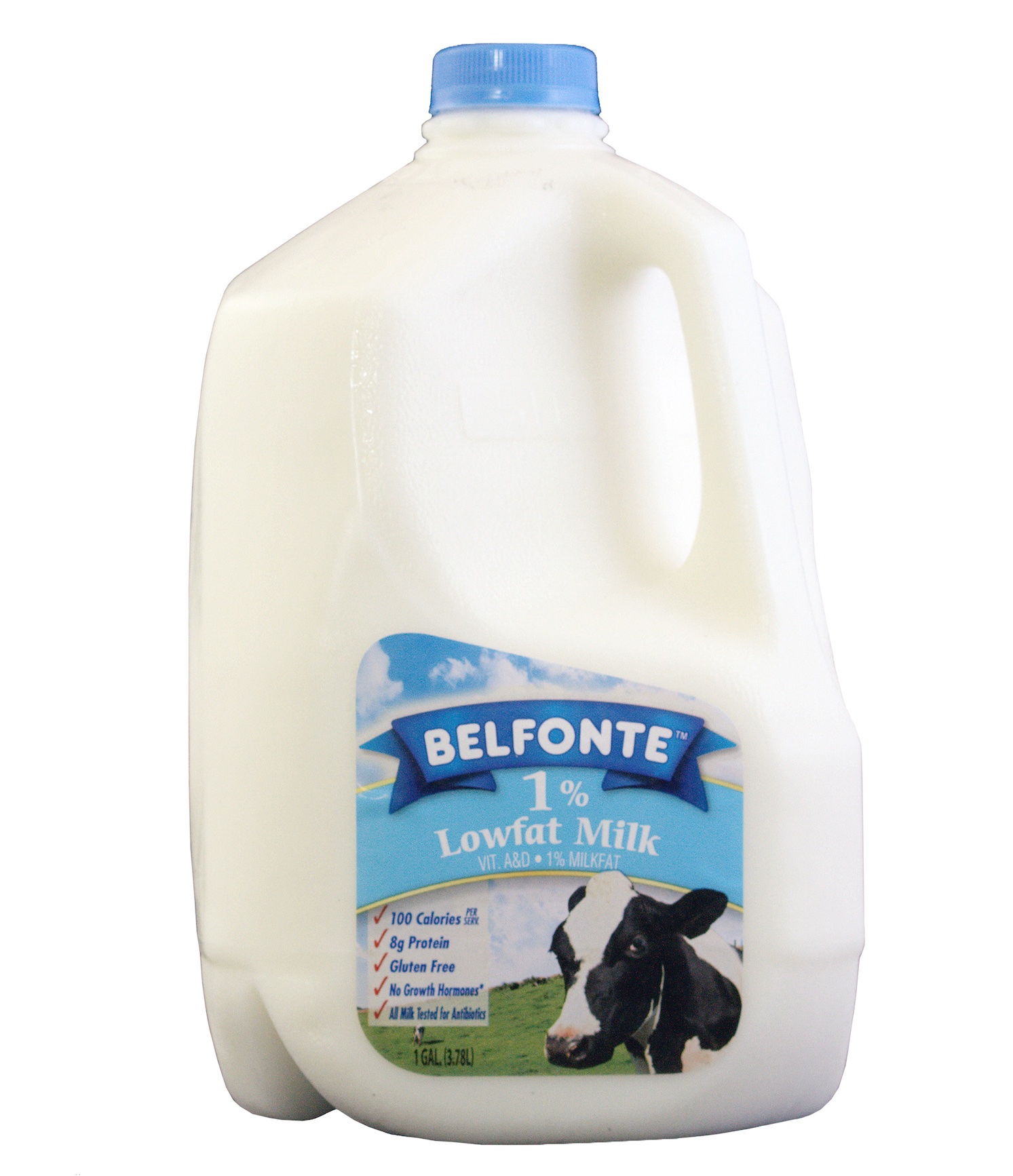
Santa Clara Leche Entera De Vaca
Analysis updated June 2026 · How Scout scores
At a glance
Summary
This product is minimally processed, consisting primarily of whole milk with added vitamins A and D, which enhance its nutritional profile. The milk provides essential nutrients like calcium and protein, supporting bone health and overall nutrition. The fortification with vitamins A and D is beneficial, especially in regions with dietary deficiencies, making it a healthy choice.
Key ingredients 3
MilkGood
Milk is a nutrient-rich liquid food produced by mammals, providing essential nutrients like calcium, protein, and vitamins. It is minimally processed, retaining its natural nutrient profile. As a whole food, it supports bone health and provides a balanced source of macronutrients.
Risks
Some individuals may experience lactose intolerance or milk allergies, which can cause digestive discomfort.
Benefits
Rich in calcium and vitamin D, which are crucial for maintaining strong bones and teeth. Provides high-quality protein and essential fatty acids.
Vitamin AGood
Vitamin A is an essential nutrient important for vision, immune function, and skin health. It is added to milk to enhance its nutritional profile, especially in regions where dietary intake may be insufficient. Fortification helps prevent deficiencies and supports overall health.
Risks
Excessive intake of vitamin A can lead to toxicity, but this is unlikely from fortified foods alone.
Benefits
Supports healthy vision and immune function. Helps maintain healthy skin and mucous membranes.
Vitamin DGood
Vitamin D is crucial for calcium absorption and bone health, often added to milk to prevent deficiencies. Fortification is a common practice to ensure adequate intake, especially in areas with limited sunlight exposure. It plays a vital role in maintaining bone density and immune function.
Benefits
Enhances calcium absorption, supporting bone health. Contributes to immune system regulation and overall health.
Processing
Unprocessed or Minimally Processed Foods
Get the full breakdown in the Scout appTake Scout shopping
Scan any product to see lab results, healthy alternatives, and your personalized analysis.
Download on theApp Store GET IT ONGoogle PlayAmazon pricing & content
Amazon price as of . Product prices and availability are accurate as of the date/time indicated and are subject to change. Any price and availability information displayed on Amazon.com at the time of purchase will apply to the purchase of this product.
CERTAIN CONTENT THAT APPEARS ON THIS SITE COMES FROM AMAZON. THIS CONTENT IS PROVIDED “AS IS” AND IS SUBJECT TO CHANGE OR REMOVAL AT ANY TIME.