
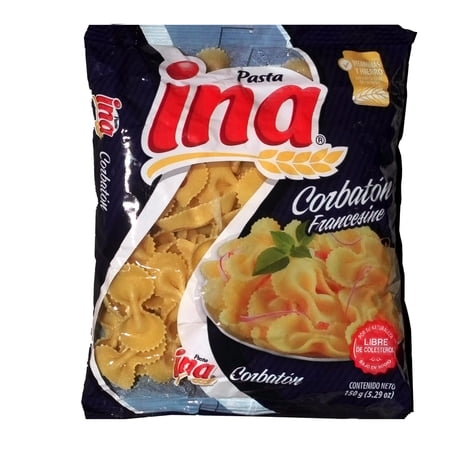


Ina Francesine Noodles 5.29 oz - Corbaton (150g) (Pack of 1)
Analysis updated July 2026 · How Scout scores
At a glance
Summary
This pasta product is primarily made from semolina and water, which are standard ingredients for noodles. It includes added vitamins and minerals like thiamine mononitrate, folic acid, niacin, riboflavin, and ferrous sulfate, which are common in enriched pasta products. The processing level is moderate, and while the ingredient list is relatively clean, the presence of these additives prevents it from scoring higher.
Key ingredients 7
NiacinGood
Beneficial ingredient — whole-food or functional value in this product class.
Risks
High doses can cause skin flushing and liver damage.
Benefits
Supports energy production and maintains healthy skin and nerves.
RiboflavinGood
Essential B vitamin — beneficial micronutrient.
Benefits
Aids in energy production and supports cellular function.
SemolinaNeutral
Semolina is a coarse flour made from durum wheat, commonly used in pasta. It is a source of carbohydrates and provides some protein and fiber. However, it lacks significant micronutrients and is not considered a whole grain.
Risks
May cause allergic reactions in individuals with gluten intolerance or celiac disease.
Benefits
Provides a source of energy through carbohydrates and contains some protein and fiber.
WaterNeutral
Water is used as a basic ingredient in many food products, including pasta, to hydrate and bind ingredients. It is essential for the texture and consistency of the final product. Water itself does not provide any nutritional value.
See more about Water →Thiamine MononitrateNeutral
Thiamine mononitrate is a synthetic form of vitamin B1, added to fortify foods. It helps in energy metabolism and nerve function. As a synthetic vitamin, it is used to prevent deficiencies but does not offer additional health benefits beyond its nutritional role.
Benefits
Essential for energy metabolism and proper nerve function.
Folic AcidNeutral
Folic acid is a synthetic form of vitamin B9, used to fortify foods and prevent deficiencies. It is crucial for DNA synthesis and cell division. While beneficial for preventing neural tube defects, it is not naturally occurring in this form.
Risks
Excessive intake may mask vitamin B12 deficiency symptoms.
Benefits
Important for DNA synthesis and preventing neural tube defects during pregnancy.
Ferrous SulfateNeutral
Ferrous sulfate is an iron supplement used to fortify foods and prevent iron deficiency anemia. It is effective in increasing iron levels but can cause gastrointestinal discomfort. It is not naturally occurring in this form.
Risks
May cause gastrointestinal discomfort, such as constipation or nausea.
Benefits
Effective in preventing and treating iron deficiency anemia.
Processing
Processed Foods
Get the full breakdown in the Scout appTake Scout shopping
Scan any product to see lab results, healthy alternatives, and your personalized analysis.
Download on theApp Store GET IT ONGoogle Play