
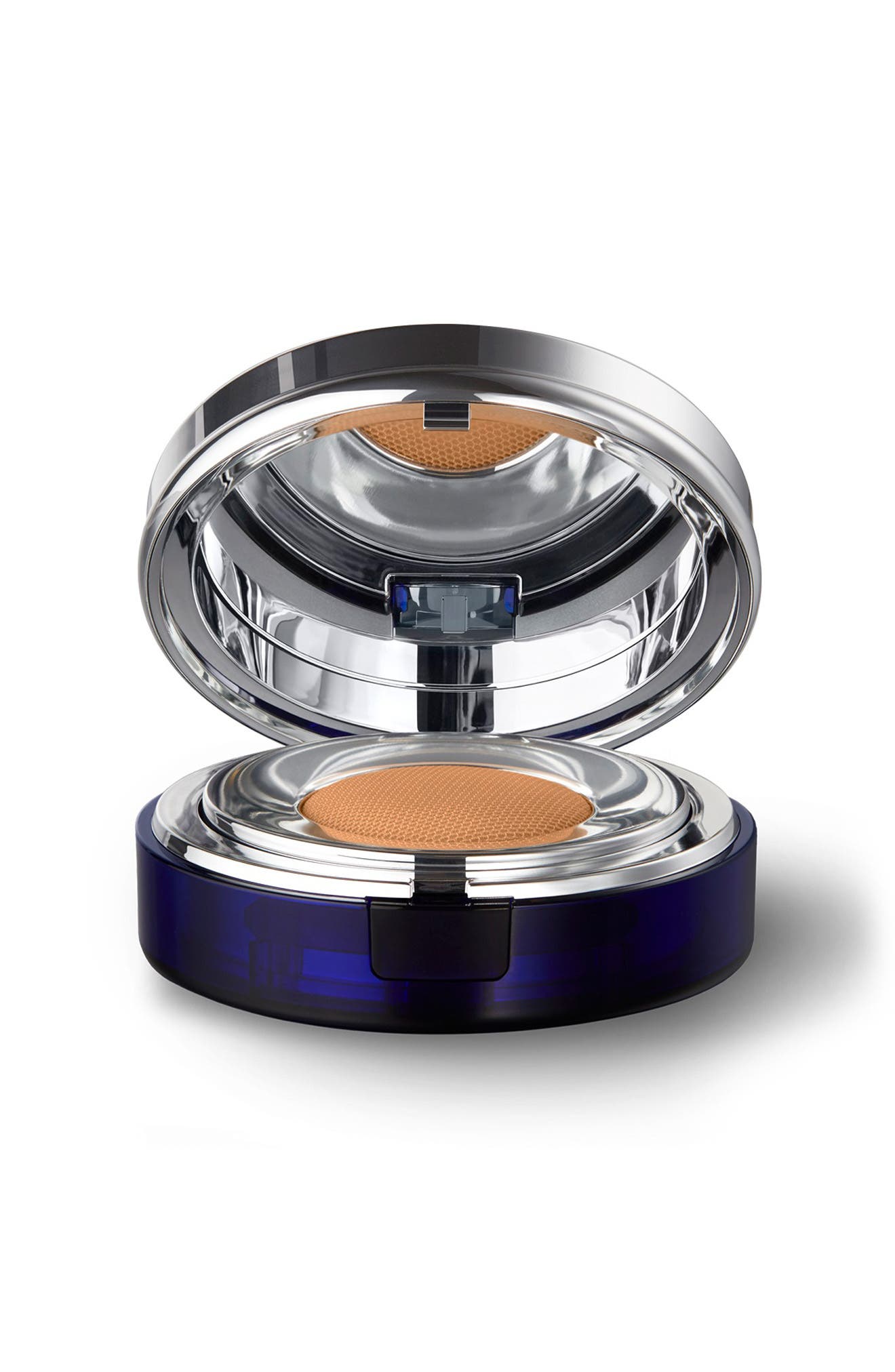
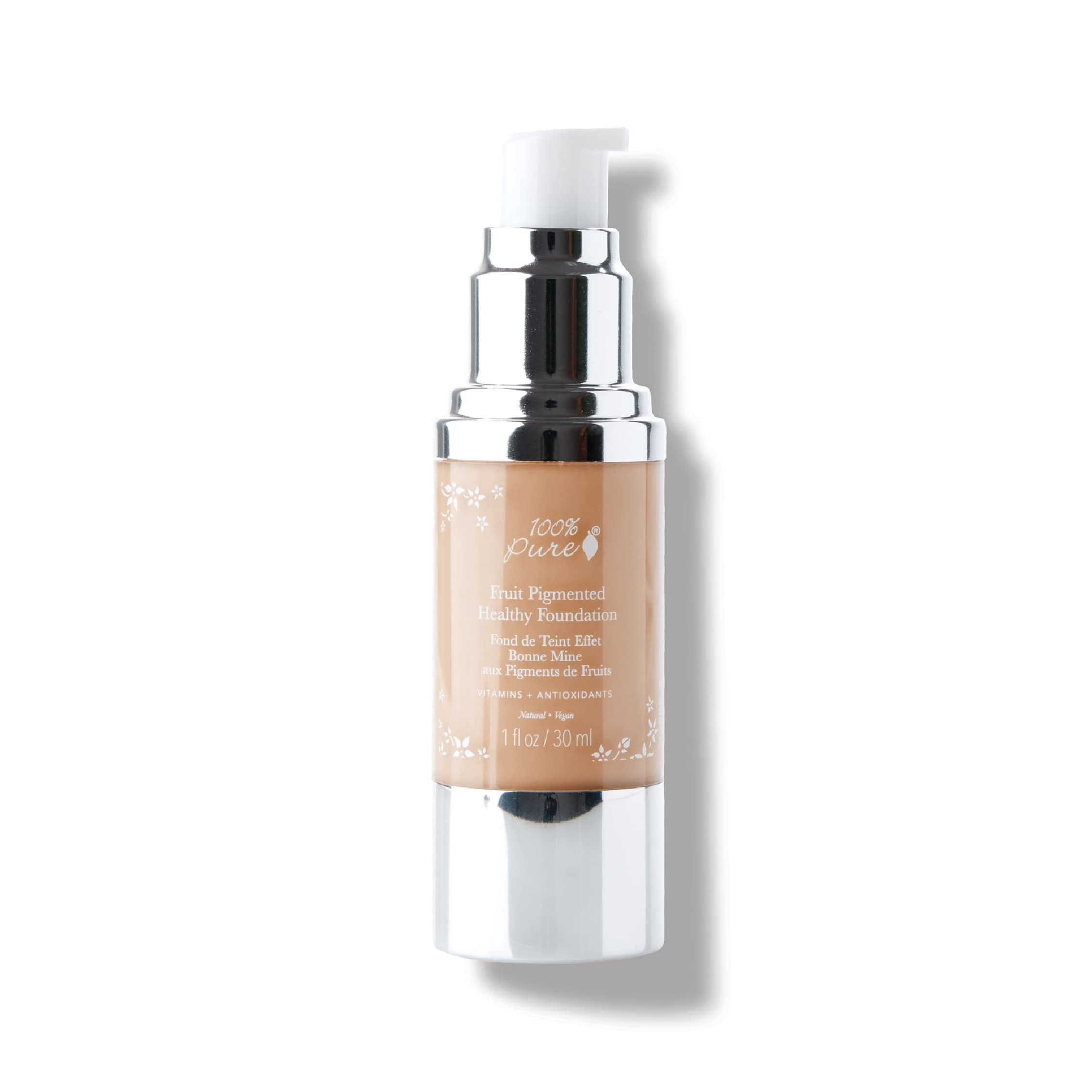
La Prairie Platinum Rare Night Elixir 3ml.
Summary
This foundation contains a mix of beneficial and concerning ingredients. While it includes some skin actives like hyaluronic acid, it also contains synthetic fragrance, which can be an irritant and is penalized. The presence of processed ingredients and potential endocrine disruptors affects its overall safety profile, leading to a moderate score.
At a glance
Key ingredients 16
Water (Aqua)
Water is a universal solvent used in cosmetics to dissolve other ingredients. It helps in the distribution of the product on the skin. It is generally considered safe and non-irritating.
Risks
There are no significant risks associated with water in cosmetics.
Benefits
Water hydrates the skin and helps in the absorption of other beneficial ingredients.
Glycerin
Glycerin is a humectant that attracts moisture to the skin, helping to keep it hydrated. It is commonly used in skincare products for its moisturizing properties. It is considered safe and effective for most skin types.
Risks
There are minimal risks, though it can cause irritation in very sensitive skin.
Benefits
Glycerin helps maintain skin hydration and improves skin barrier function.
Butylene Glycol
Butylene Glycol is a solvent and conditioning agent that helps to improve the texture of the product. It is used to enhance the penetration of other ingredients. It is generally recognized as safe for use in cosmetics.
Risks
It can cause irritation in sensitive individuals or when used in high concentrations.
Benefits
It helps in maintaining skin moisture and improves the spreadability of the product.
SD Alcohol 40-B (Alcohol Denat.)
Denatured alcohol is used as a solvent and to help other ingredients penetrate the skin. It also acts as a preservative to extend the shelf life of the product. However, it can be drying to the skin.
Risks
It can cause dryness and irritation, especially in sensitive skin types.
Benefits
It helps in quick drying of the product and enhances the absorption of active ingredients.
Caprylic/Capric Triglyceride
This ingredient is an emollient derived from coconut oil and glycerin, used to moisturize and replenish the skin. It is lightweight and non-greasy, making it suitable for all skin types. It is considered safe and beneficial in skincare formulations.
Risks
There are minimal risks, though it can cause breakouts in acne-prone skin.
Benefits
It helps to smooth and soften the skin, providing a silky feel.
Cetearyl Alcohol
Cetearyl Alcohol is a fatty alcohol used as an emollient and thickening agent in cosmetics. It helps to stabilize formulations and improve texture. It is considered safe and non-irritating for most skin types.
Risks
It is generally safe, but can cause mild irritation in very sensitive skin.
Benefits
It provides a creamy texture and helps to soften and soothe the skin.
Ceteareth-20
Ceteareth-20 is an emulsifier that helps to blend oil and water-based ingredients. It is used to improve the consistency and stability of cosmetic products. It is generally considered safe for use in cosmetics.
Risks
There is a potential risk of contamination with 1,4-dioxane, a byproduct of ethoxylation.
Benefits
It enhances the texture and spreadability of the product.
Dimethicone
Dimethicone is a silicone-based polymer used as a skin protectant and conditioning agent. It forms a barrier on the skin to lock in moisture and improve texture. It is widely used in cosmetics for its smoothing properties.
Risks
It can potentially clog pores, leading to breakouts in acne-prone skin.
Benefits
It provides a silky, smooth feel and helps to reduce the appearance of fine lines.
Sodium Hyaluronate
Sodium Hyaluronate is a salt form of hyaluronic acid, known for its ability to retain moisture. It helps to hydrate and plump the skin, reducing the appearance of fine lines. It is considered highly beneficial in skincare products.
Risks
There are minimal risks, though it can cause irritation in very sensitive skin.
Benefits
It provides intense hydration and improves skin elasticity.
Tocopheryl Acetate
Tocopheryl Acetate is a form of Vitamin E, used for its antioxidant properties. It helps to protect the skin from free radical damage and improve skin health. It is commonly used in skincare for its nourishing benefits.
Risks
It can cause irritation or allergic reactions in sensitive individuals.
Benefits
It helps to moisturize and protect the skin, enhancing its overall appearance.
Ascorbic Acid
Ascorbic Acid, or Vitamin C, is a potent antioxidant that helps to brighten the skin and reduce signs of aging. It is used in skincare for its ability to boost collagen production and improve skin tone. It is highly regarded for its skin-rejuvenating properties.
Risks
It can cause irritation or redness, especially in sensitive skin.
Benefits
It helps to even out skin tone and reduce the appearance of dark spots.
Palmitoyl Oligopeptide
Palmitoyl Oligopeptide is a peptide used to stimulate collagen production and improve skin elasticity. It is used in anti-aging formulations for its ability to reduce the appearance of wrinkles. It is considered beneficial for maintaining youthful skin.
Risks
There are minimal risks, though it can cause irritation in sensitive skin.
Benefits
It helps to firm and smooth the skin, reducing signs of aging.
Palmitoyl Tetrapeptide-7
Palmitoyl Tetrapeptide-7 is a peptide that helps to reduce inflammation and improve skin elasticity. It is used in anti-aging products for its ability to enhance skin firmness. It is considered beneficial for reducing the appearance of fine lines.
Risks
There are minimal risks, though it can cause irritation in sensitive skin.
Benefits
It helps to soothe the skin and improve its resilience.
Fragrance (Parfum)
Fragrance is used to impart a pleasant scent to cosmetic products. It is a common ingredient in many formulations to enhance user experience. However, it can be a source of irritation for sensitive skin.
Risks
It can cause allergic reactions or irritation, especially in sensitive individuals.
Benefits
It provides a pleasant scent, enhancing the sensory experience of the product.
Phenoxyethanol
Phenoxyethanol is a preservative used to prevent the growth of bacteria and extend the shelf life of cosmetics. It is commonly used as an alternative to parabens. It is generally considered safe in low concentrations.
Risks
It can cause irritation or allergic reactions in sensitive skin.
Benefits
It helps to maintain product integrity by preventing microbial contamination.
Ethylhexylglycerin
Ethylhexylglycerin is used as a skin conditioning agent and preservative enhancer. It helps to improve the efficacy of other preservatives in the formulation. It is considered safe and effective in cosmetic products.
Risks
There are minimal risks, though it can cause irritation in very sensitive skin.
Benefits
It enhances the preservation of the product and provides skin conditioning benefits.
Processing
Processed Foods
Get the full breakdown in the Scout app
Scan any product to see lab results, healthy alternatives, and your personalized analysis.
Download on theApp Store