
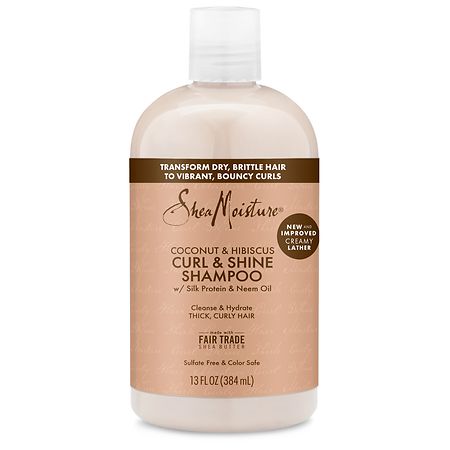

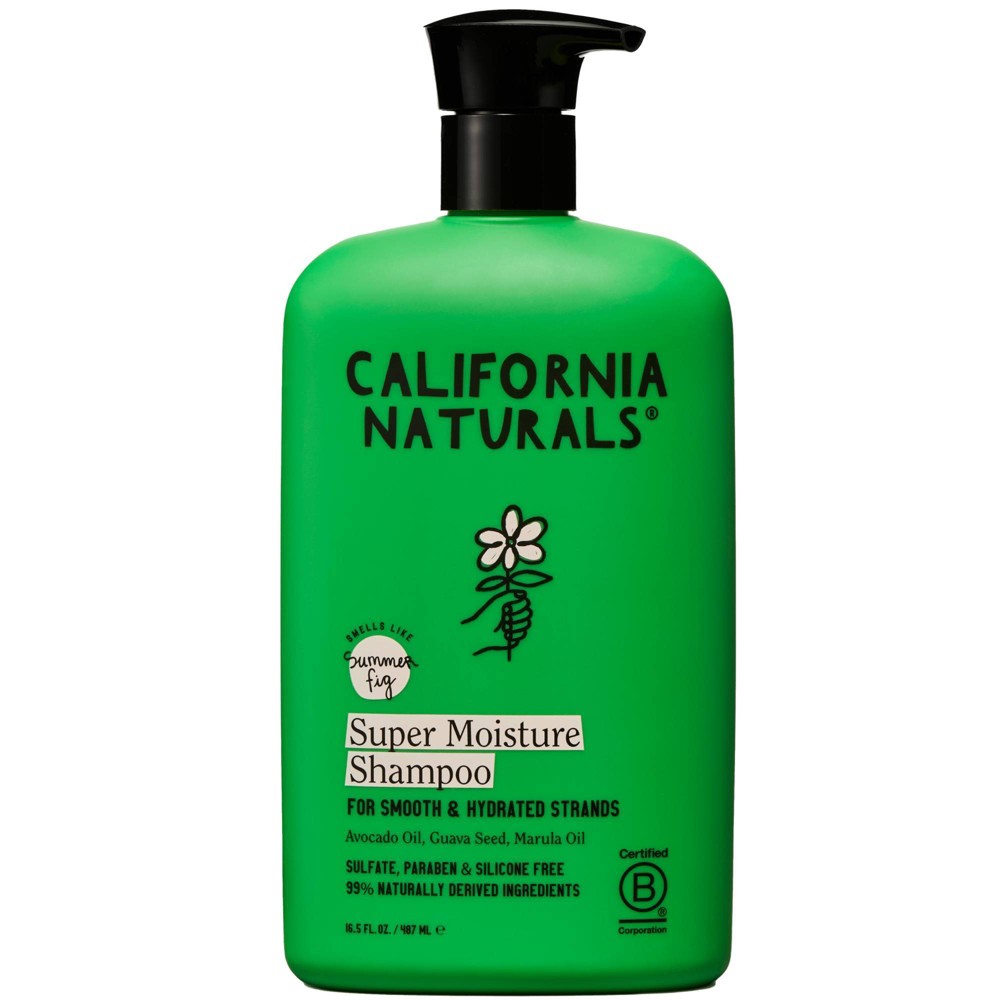
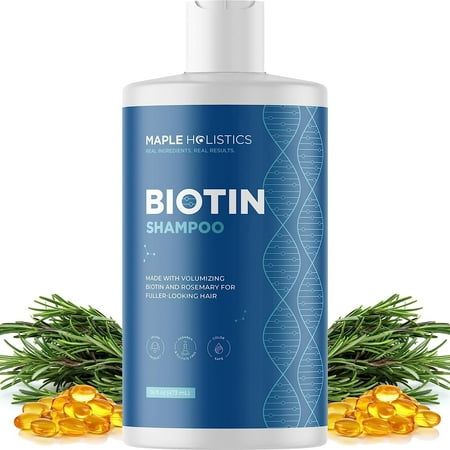
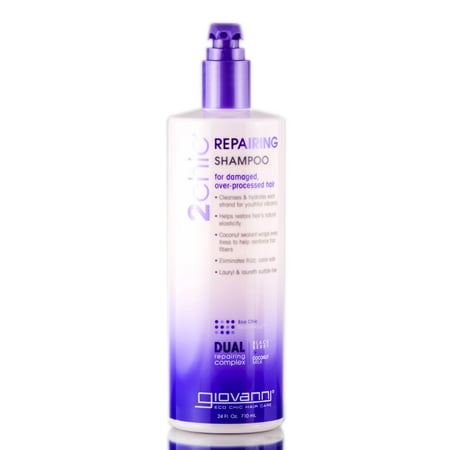
SheaMoisture Coconut and Hibiscus Curl and Shine Shampoo - 13 fl oz: For Curly Hair, Paraben-Free, Sulfate-Free, Liquid
Analysis updated August 2026 · How Scout scores
At a glance
Summary
This shampoo features a strong formulation with beneficial ingredients like decyl glucoside, shea butter, and coconut oil, which are known for their gentle cleansing and nourishing properties. It is free from sulfates, parabens, and silicones, which are often criticized for their potential to irritate the scalp and damage hair. However, the presence of synthetic fragrance slightly detracts from its overall safety profile, preventing it from achieving a higher score.
Key ingredients 25
Butyrospermum Parkii (Shea) ButterVery Good
Shea Butter is a natural fat extracted from the nuts of the shea tree. It is rich in vitamins and fatty acids, providing excellent moisturizing and conditioning properties for hair and skin. It helps to nourish and protect the hair from environmental damage.
Risks
There are minimal risks, though individuals with nut allergies should exercise caution.
Benefits
Shea Butter deeply moisturizes and conditions the hair, improving its texture and shine.
Cocos Nucifera (Coconut) OilVery Good
Coconut Oil is a natural oil known for its excellent moisturizing and conditioning properties. It helps to nourish and protect the hair, improving its texture and shine. It is a highly beneficial ingredient for hair care products.
Risks
There are minimal risks, though it may cause buildup in some hair types if used excessively.
Benefits
Coconut Oil deeply moisturizes and conditions the hair, enhancing its texture and shine.
Decyl GlucosideGood
Decyl Glucoside is a mild, non-ionic surfactant derived from glucose and coconut oil. It is known for being gentle on the skin and hair, making it suitable for sensitive scalps. It effectively cleanses without stripping natural oils.
Risks
There are minimal risks associated with Decyl Glucoside, though some individuals may experience mild irritation.
Benefits
It provides gentle cleansing and is biodegradable, making it environmentally friendly.
PanthenolGood
Panthenol, also known as provitamin B5, is a humectant that attracts moisture to the hair and skin. It helps to improve hair elasticity and strength, reducing breakage. It is widely used in hair care products for its conditioning benefits.
Risks
There are minimal risks associated with Panthenol, though it may cause mild irritation in rare cases.
Benefits
Panthenol enhances moisture retention, improving hair strength and elasticity.
Sodium Lauroyl Hydrolyzed SilkGood
Sodium Lauroyl Hydrolyzed Silk is a protein-derived ingredient that helps to strengthen and protect the hair. It provides a silky texture and enhances the overall appearance of the hair. It is beneficial for maintaining hair health and shine.
Risks
There are minimal risks, though it may cause mild irritation in rare cases.
Benefits
It strengthens and protects the hair, improving its texture and shine.
Melia Azadirachta (Neem) Seed OilGood
Neem Seed Oil is known for its antimicrobial and anti-inflammatory properties. It helps to soothe the scalp and promote healthy hair growth. It is a beneficial ingredient for maintaining scalp health.
Risks
There are minimal risks, though it may cause irritation in sensitive individuals.
Benefits
Neem Seed Oil promotes scalp health and supports healthy hair growth.
Brassica Campestris (Rapeseed) Seed OilGood
Rapeseed Oil is rich in essential fatty acids and vitamin E, providing nourishment and conditioning to the hair. It helps to improve hair texture and manageability. It is a beneficial ingredient for maintaining hair health.
Risks
There are minimal risks, though it may cause irritation in sensitive individuals.
Benefits
Rapeseed Oil nourishes and conditions the hair, enhancing its texture and manageability.
Rosmarinus Officinalis (Rosemary) Leaf OilGood
Rosemary Leaf Oil is known for its antioxidant and antimicrobial properties. It helps to stimulate the scalp and promote healthy hair growth. It is a beneficial ingredient for maintaining scalp health.
Risks
There are minimal risks, though it may cause irritation in sensitive individuals.
Benefits
Rosemary Leaf Oil promotes scalp health and supports healthy hair growth.
TocopherolGood
Tocopherol, also known as vitamin E, is an antioxidant that helps to protect the hair and scalp from oxidative stress. It supports healthy hair growth and improves the overall condition of the hair. It is a beneficial ingredient for maintaining hair health.
Risks
There are minimal risks, though it may cause irritation in sensitive individuals.
Benefits
Tocopherol protects the hair and scalp from oxidative stress, supporting healthy hair growth.
Hibiscus Rosa-Sinensis Flower ExtractGood
Hibiscus Flower Extract is rich in antioxidants and vitamins, providing nourishment and conditioning to the hair. It helps to improve hair texture and promote healthy hair growth. It is a beneficial ingredient for maintaining hair health.
Risks
There are minimal risks, though it may cause irritation in sensitive individuals.
Benefits
Hibiscus Flower Extract nourishes and conditions the hair, promoting healthy hair growth.
Aloe Barbadensis Leaf JuiceGood
Aloe Vera Juice is known for its soothing and moisturizing properties. It helps to hydrate the scalp and hair, reducing dryness and irritation. It is a beneficial ingredient for maintaining scalp and hair health.
Risks
There are minimal risks, though it may cause irritation in sensitive individuals.
Benefits
Aloe Vera Juice hydrates and soothes the scalp, reducing dryness and irritation.
Glycerin (Vegetable)Good
Glycerin is a humectant that attracts moisture to the hair and skin. It helps to improve hair hydration and elasticity, reducing breakage. It is widely used in hair care products for its moisturizing benefits.
Risks
There are minimal risks, though it may cause buildup if used excessively.
Benefits
Glycerin enhances moisture retention, improving hair hydration and elasticity.
Glycine Soja (Soybean) OilGood
Soybean Oil is rich in essential fatty acids and vitamins, providing nourishment and conditioning to the hair. It helps to improve hair texture and manageability. It is a beneficial ingredient for maintaining hair health.
Risks
There are minimal risks, though it may cause irritation in sensitive individuals.
Benefits
Soybean Oil nourishes and conditions the hair, enhancing its texture and manageability.
WaterNeutral
Water is a common solvent used in cosmetic formulations. It helps to dissolve other ingredients and provides a base for the product. It does not have any direct benefits or risks in this context.
Risks
There are no significant risks associated with water in cosmetic products.
Benefits
Water acts as a carrier for other beneficial ingredients in the formulation.
Sodium Lauroyl LactylateNeutral
Standard formulation ingredient — neither beneficial nor harmful at typical use.
Risks
There are minimal risks, though it may cause mild irritation in sensitive individuals.
Benefits
It enhances the texture and stability of the product while being gentle on the skin.
Glycol StearateNeutral
Glycol Stearate is used as an emulsifier and opacifier in cosmetic products. It helps to create a creamy texture and improve the appearance of the product. It does not have significant direct benefits or risks.
Risks
There are no significant risks associated with Glycol Stearate in cosmetic formulations.
Benefits
It contributes to the creamy texture and aesthetic appeal of the product.
Guar Hydroxypropyltrimonium ChlorideNeutral
Guar Hydroxypropyltrimonium Chloride is a conditioning agent derived from guar gum. It helps to reduce static and improve the manageability of hair. It is generally considered safe for use in hair care products.
Risks
There are minimal risks, though it may cause mild irritation in sensitive individuals.
Benefits
It improves hair manageability and reduces static, enhancing the overall feel of the hair.
Citric AcidNeutral
Citric Acid is used to adjust the pH of cosmetic formulations. It helps to maintain the stability and effectiveness of the product. It does not have significant direct benefits or risks in this context.
Risks
There are minimal risks, though it may cause mild irritation in sensitive individuals.
Benefits
It helps to maintain the pH balance of the product, ensuring its stability.
Stearamide AmpNeutral
Stearamide AMP is an emulsifying agent used to stabilize formulations. It helps to improve the texture and consistency of the product. It does not have significant direct benefits or risks.
Risks
There are no significant risks associated with Stearamide AMP in cosmetic formulations.
Benefits
It contributes to the stability and texture of the product.
Sodium PhytateNeutral
Sodium Phytate is used as a chelating agent in cosmetic formulations. It helps to stabilize the product by binding metal ions. It does not have significant direct benefits or risks.
Risks
There are no significant risks associated with Sodium Phytate in cosmetic formulations.
Benefits
It helps to stabilize the product by binding metal ions.
Caprylyl GlycolNeutral
Caprylyl Glycol is used as a skin conditioning agent and preservative booster. It helps to improve the texture and stability of the product. It does not have significant direct benefits or risks.
Risks
There are minimal risks, though it may cause irritation in sensitive individuals.
Benefits
It enhances the texture and stability of the product.
Triethyl CitrateNeutral
Triethyl Citrate is used as a fragrance ingredient and stabilizer in cosmetic formulations. It helps to improve the scent and stability of the product. It does not have significant direct benefits or risks.
Risks
There are minimal risks, though it may cause irritation in sensitive individuals.
Benefits
It contributes to the scent and stability of the product.
Benzoic AcidNeutral
Benzoic Acid is used as a preservative in cosmetic products. It helps to prevent microbial growth and extend the shelf life of the product. It does not have significant direct benefits or risks in this context.
Risks
There are minimal risks, though it may cause irritation in sensitive individuals.
Benefits
It helps to preserve the product by preventing microbial growth.
Sodium BenzoateBad
Synthetic preservative that can form benzene in the presence of vitamin C.
Risks
There are minimal risks, though it may cause irritation in sensitive individuals.
Benefits
It helps to preserve the product by preventing microbial growth.
FragranceVery Bad
Fragrance in cosmetics can be a mixture of various chemicals, some of which may cause allergic reactions or irritation. It is often criticized for its lack of transparency regarding the specific components used. Fragrance can contribute to the overall sensory experience of the product.
Risks
Fragrance can cause skin irritation and allergic reactions in sensitive individuals.
Benefits
It provides a pleasant scent to the product, enhancing user experience.
Processing
Processed Foods
Get the full breakdown in the Scout appTake Scout shopping
Scan any product to see lab results, healthy alternatives, and your personalized analysis.
Download on theApp Store GET IT ONGoogle PlayAmazon pricing & content
Amazon price as of . Product prices and availability are accurate as of the date/time indicated and are subject to change. Any price and availability information displayed on Amazon.com at the time of purchase will apply to the purchase of this product.
CERTAIN CONTENT THAT APPEARS ON THIS SITE COMES FROM AMAZON. THIS CONTENT IS PROVIDED “AS IS” AND IS SUBJECT TO CHANGE OR REMOVAL AT ANY TIME.