

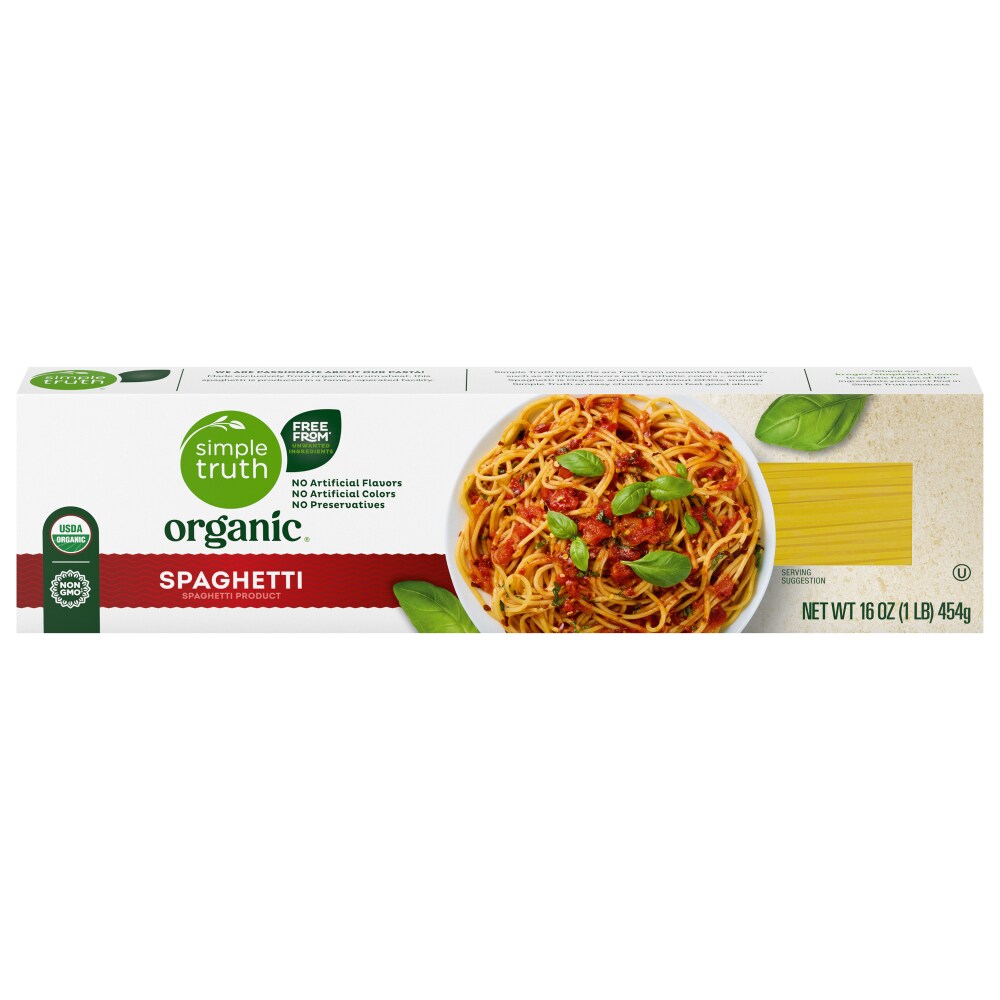


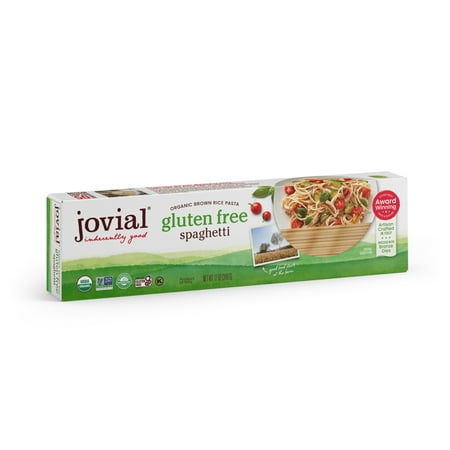
SPAGHETTI
Summary
This spaghetti product is ultra-processed, which limits its potential health score despite having some beneficial ingredients like enriched semolina and inulin. The presence of additives such as xanthan gum and pectin, while not harmful, contributes to its processing level. The product is fortified with essential nutrients, but the overall processing level and use of refined ingredients prevent it from achieving a higher score.
At a glance
Key ingredients 6
Enriched semolinaGood
Enriched semolina is a refined wheat product that is fortified with essential nutrients like iron and B vitamins. The enrichment process helps to restore some of the nutrients lost during milling. It provides a good source of energy and essential nutrients for a balanced diet.
Risks
Contains gluten, which may cause adverse reactions in individuals with celiac disease or gluten sensitivity.
Benefits
Provides essential nutrients such as iron and B vitamins, which are important for energy metabolism and overall health.
InulinGood
Inulin is a type of soluble fiber derived from plants that acts as a prebiotic. It supports gut health by promoting the growth of beneficial bacteria in the digestive tract. Inulin can also help improve digestive health and enhance mineral absorption.
Risks
Excessive consumption may lead to digestive discomfort such as bloating or gas.
Benefits
Supports digestive health by promoting beneficial gut bacteria and may improve mineral absorption.
Wheat glutenNeutral
Wheat gluten is a protein derived from wheat that provides elasticity and structure to pasta. It is a plant-based protein source but lacks some essential amino acids found in animal proteins. It is commonly used in food products to improve texture and protein content.
Risks
May cause adverse reactions in individuals with gluten intolerance or celiac disease.
Benefits
Provides a source of plant-based protein and improves the texture of pasta products.
Xanthan gumNeutral
Xanthan gum is a polysaccharide used as a thickening and stabilizing agent in food products. It is produced through the fermentation of sugars by the Xanthomonas campestris bacterium. It helps improve the texture and shelf-life of food products.
Risks
Excessive consumption may lead to digestive issues such as bloating or gas.
Benefits
Improves the texture and stability of food products, enhancing their quality and shelf-life.
PectinNeutral
Pectin is a natural fiber found in fruits that is used as a gelling agent in food products. It is commonly used to thicken jams and jellies. Pectin can also aid in digestion and help lower cholesterol levels.
Benefits
May aid in digestion and help lower cholesterol levels due to its fiber content.
Potassium chlorideNeutral
Potassium chloride is a mineral salt used as a salt substitute to reduce sodium content in foods. It provides potassium, an essential mineral for maintaining fluid balance and proper muscle function. It is often used in low-sodium products to enhance flavor without increasing sodium levels.
Risks
Excessive intake may lead to hyperkalemia, especially in individuals with kidney issues.
Benefits
Provides potassium, which is essential for maintaining fluid balance and proper muscle function.
Processing
Ultra-Processed Foods
Get the full breakdown in the Scout app
Scan any product to see lab results, healthy alternatives, and your personalized analysis.
Download on theApp Store