
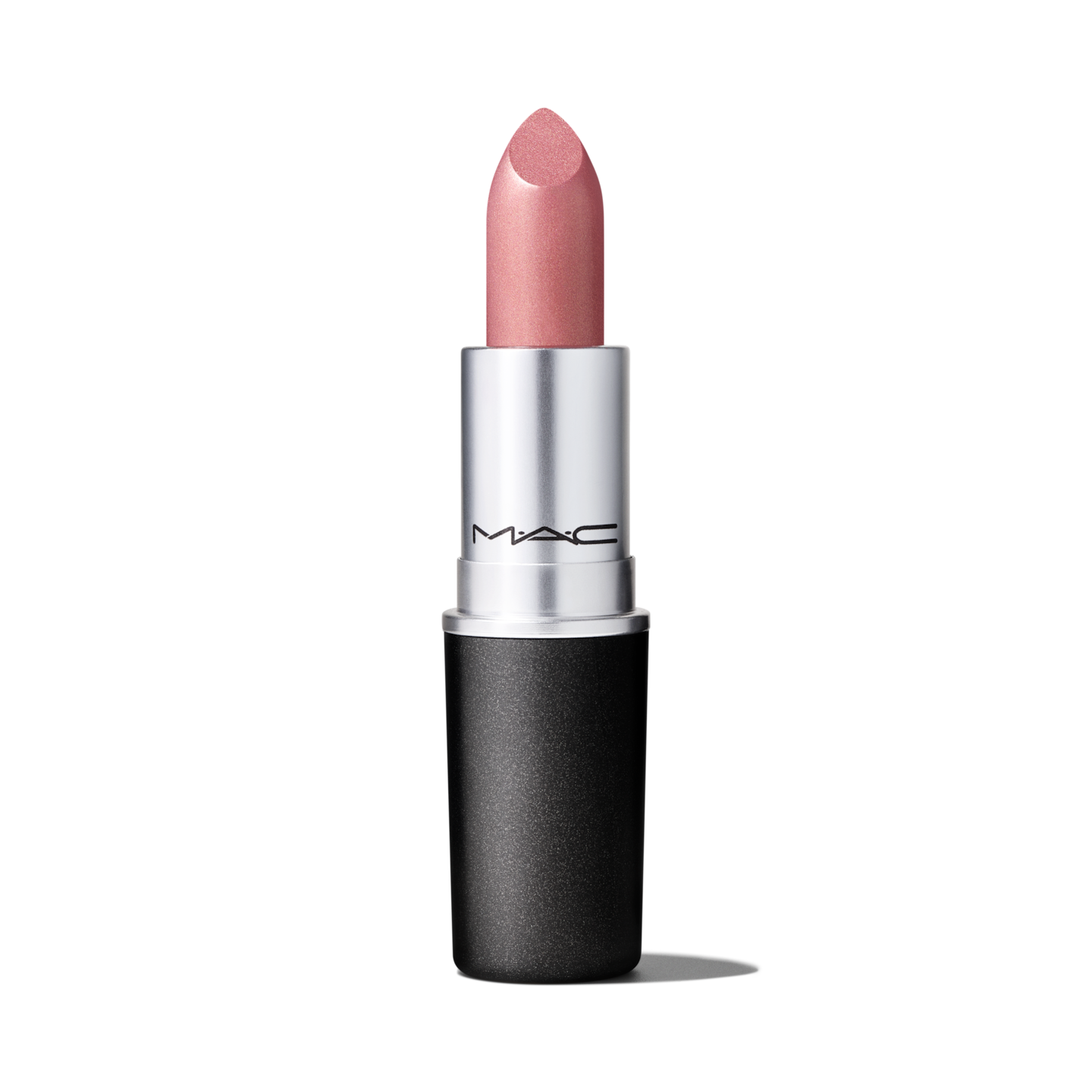

Mac Pro Longwear Lipcreme Lipstick "extended Play"
Analysis updated October 2026 · How Scout scores
At a glance
Summary
This lipstick contains beneficial ingredients like Punica Granatum Sterols, Tocopheryl Acetate, and Tetrahexyldecyl Ascorbate, which provide moisturizing and antioxidant benefits. However, the presence of synthetic ingredients such as microcrystalline wax and synthetic fluorphlogopite, along with a long list of color additives, indicates a moderate level of processing. The absence of major harmful substances is a positive aspect, but the overall formulation is not as clean as top-tier natural products.
Key ingredients 36
Punica Granatum SterolsVery Good
Punica Granatum Sterols are derived from pomegranate and are used for their moisturizing and skin-conditioning properties. They help in enhancing skin barrier function. They are considered beneficial in cosmetics.
Risks
There are minimal risks associated with its use.
Benefits
They provide excellent moisturizing properties and support skin barrier function.
Tetrahexyldecyl AscorbateVery Good
Tetrahexyldecyl Ascorbate is a stable form of Vitamin C used for its antioxidant properties. It helps in brightening the skin and reducing signs of aging. It is considered beneficial in cosmetics.
Risks
There are minimal risks associated with its use.
Benefits
It provides antioxidant benefits and helps in brightening the skin.
Tocopheryl AcetateGood
Tocopheryl Acetate is a form of Vitamin E used for its antioxidant properties. It helps in protecting the skin from free radical damage. It is considered beneficial in cosmetics.
Risks
There are minimal risks associated with its use.
Benefits
It provides antioxidant benefits and helps in protecting the skin.
IsododecaneNeutral
Isododecane is a hydrocarbon commonly used in cosmetics for its lightweight and non-greasy feel. It helps in the smooth application of products. It is generally considered safe for use in cosmetics.
Risks
There are minimal risks associated with isododecane, primarily related to potential skin irritation in sensitive individuals.
Benefits
It provides a silky texture and helps in the even distribution of the product.
PolyethyleneNeutral
Polyethylene is a common polymer used in cosmetics as a thickening agent and film-former. It helps in improving the texture and stability of the product. It is generally regarded as safe in cosmetics.
Risks
Concerns about microplastic pollution exist, but its use in cosmetics is considered safe for human health.
Benefits
It enhances the product's texture and longevity on the skin.
Isononyl IsononanoateNeutral
Isononyl Isononanoate is an ester used for its emollient properties, providing a smooth and silky feel. It is commonly used in cosmetics for its non-greasy texture. It is considered safe for use in cosmetics.
Risks
There are minimal risks, primarily related to potential skin irritation in sensitive individuals.
Benefits
It provides a lightweight and non-greasy feel, enhancing the product's application.
Glyceryl Hydrogenated RosinateNeutral
Glyceryl Hydrogenated Rosinate is used as a film-forming agent and adhesive in cosmetics. It helps in improving the product's adherence to the skin. It is generally considered safe for use.
Risks
Potential for skin irritation exists, but it is generally low.
Benefits
It enhances the product's adhesion and longevity on the skin.
Polyglyceryl-2 Isostearate/Dimer Dilinoleate CopolymerNeutral
This copolymer is used as an emulsifier and stabilizer in cosmetics. It helps in maintaining the consistency and stability of the product. It is considered safe for use in cosmetics.
Risks
There are minimal risks associated with its use, primarily related to potential skin irritation.
Benefits
It improves the product's texture and stability.
Isodecyl IsononanoateNeutral
Isodecyl Isononanoate is an emollient that provides a smooth and silky feel to cosmetic products. It is commonly used for its non-greasy texture. It is considered safe for use in cosmetics.
Risks
Minimal risks are associated with its use, primarily potential skin irritation.
Benefits
It provides a lightweight and non-greasy feel, enhancing the product's application.
Bis-Behenyl/Isostearyl/Phytosteryl Dimer Dilinoleyl Dimer DilinoleateNeutral
This ingredient is used as an emollient and film-former in cosmetics. It helps in providing a smooth texture and enhancing product longevity. It is considered safe for use.
Risks
Minimal risks are associated with its use, primarily potential skin irritation.
Benefits
It enhances the product's texture and longevity on the skin.
SilicaNeutral
Silica is used in cosmetics as an absorbent and anti-caking agent. It helps in improving the texture and mattifying the product. It is generally considered safe for use.
Risks
Inhalation of fine silica particles can pose respiratory risks, but this is not a concern in topical applications.
Benefits
It provides a mattifying effect and improves product texture.
Castor Isostearate SuccinateNeutral
Castor Isostearate Succinate is an emollient and conditioning agent used in cosmetics. It provides a smooth and silky feel to the product. It is considered safe for use.
Risks
Minimal risks are associated with its use, primarily potential skin irritation.
Benefits
It enhances the product's texture and provides conditioning benefits.
Lauryl PCANeutral
Lauryl PCA is used as a skin-conditioning agent in cosmetics. It helps in improving the texture and feel of the product. It is considered safe for use.
Risks
Minimal risks are associated with its use, primarily potential skin irritation.
Benefits
It enhances the product's texture and provides conditioning benefits.
Microcrystalline WaxNeutral
Microcrystalline Wax is used as a thickening agent and emollient in cosmetics. It helps in improving the texture and stability of the product. It is considered safe for use.
Risks
There are minimal risks associated with its use.
Benefits
It enhances the product's texture and stability.
Isopropyl Titanium TriisostearateNeutral
Isopropyl Titanium Triisostearate is used as a pigment dispersant in cosmetics. It helps in improving the color distribution and stability of the product. It is considered safe for use.
Risks
Minimal risks are associated with its use.
Benefits
It enhances color distribution and stability in the product.
Synthetic FluorphlogopiteNeutral
Synthetic Fluorphlogopite is a synthetic mica used for its shimmering effect in cosmetics. It helps in providing a pearlescent finish. It is considered safe for use.
Risks
There are minimal risks associated with its use.
Benefits
It provides a shimmering, pearlescent finish to the product.
Calcium Sodium BorosilicateNeutral
Calcium Sodium Borosilicate is used as a filler and effect pigment in cosmetics. It helps in providing a shimmering effect and improving texture. It is considered safe for use.
Risks
There are minimal risks associated with its use.
Benefits
It provides a shimmering effect and enhances product texture.
Calcium Aluminum BorosilicateNeutral
Calcium Aluminum Borosilicate is used as a filler and effect pigment in cosmetics. It helps in providing a shimmering effect and improving texture. It is considered safe for use.
Risks
There are minimal risks associated with its use.
Benefits
It provides a shimmering effect and enhances product texture.
AluminaNeutral
Alumina is used as an abrasive and thickening agent in cosmetics. It helps in improving the texture and stability of the product. It is considered safe for use.
Risks
There are minimal risks associated with its use.
Benefits
It enhances the product's texture and stability.
Tin OxideNeutral
Tin Oxide is used as an opacifying agent and pigment in cosmetics. It helps in providing opacity and improving color. It is considered safe for use.
Risks
There are minimal risks associated with its use.
Benefits
It provides opacity and enhances color in the product.
VanillinNeutral
Vanillin is used as a flavoring agent in cosmetics. It provides a pleasant vanilla scent. It is considered safe for use.
Risks
There are minimal risks associated with its use.
Benefits
It provides a pleasant vanilla scent to the product.
Pentaerythrityl Tetra-Di-T-Butyl HydroxyhydrocinnamateNeutral
This ingredient is used as an antioxidant in cosmetics. It helps in protecting the product from oxidation. It is considered safe for use.
Risks
There are minimal risks associated with its use.
Benefits
It provides antioxidant protection to the product.
MicaNeutral
Mica is used as a colorant and opacifying agent in cosmetics. It provides a shimmering effect and improves texture. It is considered safe for use.
Risks
There are minimal risks associated with its use.
Benefits
It provides a shimmering effect and enhances product texture.
CI 77891Neutral
CI 77891, also known as Titanium Dioxide, is used as a pigment and opacifying agent in cosmetics. It provides whiteness and opacity. It is considered safe for use.
Risks
There are minimal risks associated with its use.
Benefits
It provides whiteness and opacity to the product.
Iron Oxides (CI 77491, CI 77492, CI 77499)Neutral
Iron Oxides are used as pigments in cosmetics. They provide color and are considered safe for use. They are commonly used in a variety of cosmetic products.
Risks
There are minimal risks associated with their use.
Benefits
They provide color and are stable pigments in cosmetics.
CI 77163Neutral
CI 77163, also known as Bismuth Oxychloride, is used as a pigment and opacifying agent in cosmetics. It provides a pearlescent finish. It is considered safe for use.
Risks
There are minimal risks associated with its use.
Benefits
It provides a pearlescent finish to the product.
CI 42090Neutral
CI 42090, also known as Blue 1, is a synthetic dye used in cosmetics. It provides blue color and is considered safe for use. It is commonly used in a variety of cosmetic products.
Risks
There are minimal risks associated with its use.
Benefits
It provides blue color to the product.
CI 75470Neutral
CI 75470, also known as Carmine, is a natural red pigment used in cosmetics. It provides red color and is considered safe for use. It is derived from cochineal insects.
Risks
There are minimal risks associated with its use.
Benefits
It provides red color to the product.
CI 77400Neutral
CI 77400, also known as Ultramarines, is a pigment used in cosmetics. It provides blue color and is considered safe for use. It is commonly used in a variety of cosmetic products.
Risks
There are minimal risks associated with its use.
Benefits
It provides blue color to the product.
CI 15850Neutral
CI 15850, also known as Red 6, is a synthetic dye used in cosmetics. It provides red color and is considered safe for use. It is commonly used in a variety of cosmetic products.
Risks
There are minimal risks associated with its use.
Benefits
It provides red color to the product.
CI 45380Neutral
CI 45380, also known as Red 22, is a synthetic dye used in cosmetics. It provides red color and is considered safe for use. It is commonly used in a variety of cosmetic products.
Risks
There are minimal risks associated with its use.
Benefits
It provides red color to the product.
CI 45410Neutral
CI 45410, also known as Red 28, is a synthetic dye used in cosmetics. It provides red color and is considered safe for use. It is commonly used in a variety of cosmetic products.
Risks
There are minimal risks associated with its use.
Benefits
It provides red color to the product.
CI 73360Neutral
CI 73360, also known as Red 30, is a synthetic dye used in cosmetics. It provides red color and is considered safe for use. It is commonly used in a variety of cosmetic products.
Risks
There are minimal risks associated with its use.
Benefits
It provides red color to the product.
CI 19140Neutral
CI 19140, also known as Yellow 5, is a synthetic dye used in cosmetics. It provides yellow color and is considered safe for use. It is commonly used in a variety of cosmetic products.
Risks
There are minimal risks associated with its use.
Benefits
It provides yellow color to the product.
CI 17200Neutral
CI 17200, also known as Red 33, is a synthetic dye used in cosmetics. It provides red color and is considered safe for use. It is commonly used in a variety of cosmetic products.
Risks
There are minimal risks associated with its use.
Benefits
It provides red color to the product.
CI 15985Neutral
CI 15985, also known as Yellow 6, is a synthetic dye used in cosmetics. It provides orange color and is considered safe for use. It is commonly used in a variety of cosmetic products.
Risks
There are minimal risks associated with its use.
Benefits
It provides orange color to the product.
Get the full breakdown in the Scout appTake Scout shopping
Scan any product to see lab results, healthy alternatives, and your personalized analysis.
Download on theApp Store GET IT ONGoogle Play