

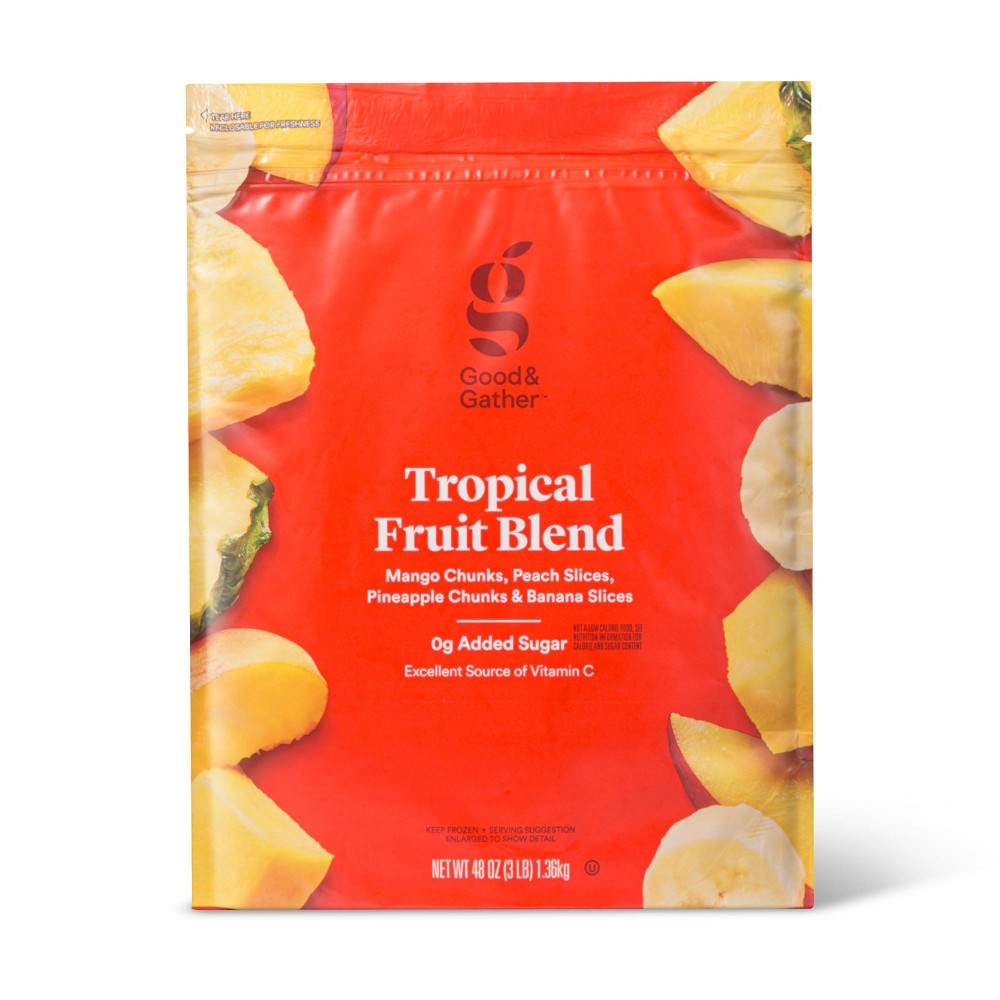
Banana’s
Summary
Despite containing beneficial ingredients like fiber and amino acids, this product is heavily processed, which significantly impacts its health rating. The presence of additives such as potassium sulfate, artificial colors, and flavors further detracts from its nutritional value, overshadowing the positive aspects of its ingredient profile.
At a glance
Key ingredients 16
WaterNeutral
Water is a fundamental component of most foods and is essential for hydration. It does not provide calories or nutrients but is crucial for maintaining bodily functions. In this product, it serves as a base and solvent for other ingredients.
Benefits
Essential for hydration and maintaining bodily functions.
SugarsNeutral
Sugars are a source of energy but can contribute to health issues if consumed in excess. They are naturally present in fruits but can lead to weight gain and metabolic issues when overconsumed. In this context, they are likely naturally occurring.
Risks
Excessive consumption can lead to weight gain and metabolic disorders.
Benefits
Provides a quick source of energy.
GlucoseNeutral
Glucose is a simple sugar that serves as a primary energy source for the body. It is naturally found in fruits and is essential for cellular respiration. However, high intake can lead to blood sugar spikes.
Risks
High intake can cause blood sugar spikes and contribute to insulin resistance.
Benefits
Essential energy source for the body's cells.
FructoseNeutral
Fructose is a natural sugar found in fruits and honey. It is sweeter than glucose and is metabolized differently by the liver. Overconsumption can lead to liver fat accumulation.
Risks
Excessive intake may lead to liver fat accumulation and metabolic issues.
Benefits
Provides sweetness and energy with a lower glycemic impact than glucose.
SucroseNeutral
Sucrose is a disaccharide composed of glucose and fructose. It is commonly known as table sugar and provides energy. In fruits, it is naturally occurring and less concerning than added sugars.
Risks
High consumption can lead to dental caries and weight gain.
Benefits
Provides energy and sweetness.
MaltoseNeutral
Maltose is a disaccharide sugar made of two glucose units. It is less sweet than sucrose and is found in malted foods and beverages. It provides energy but can affect blood sugar levels.
Risks
Can contribute to blood sugar spikes if consumed in large amounts.
Benefits
Provides a source of energy.
StarchNeutral
Starch is a complex carbohydrate that is broken down into glucose in the body. It is a major energy source and is found in many staple foods. In moderation, it is a beneficial part of the diet.
Risks
Excessive intake can lead to weight gain and blood sugar issues.
Benefits
Provides sustained energy and is a staple in many diets.
FibreVery Good
Fibre is crucial for digestive health and helps regulate blood sugar levels. It is found naturally in fruits and aids in maintaining a healthy gut microbiome. It also promotes satiety, which can aid in weight management.
Benefits
Supports digestive health and helps regulate blood sugar levels.
Amino AcidsVery Good
Amino acids are the building blocks of proteins and are essential for various bodily functions. They support muscle growth, repair, and overall health. This product contains a variety of essential amino acids.
Benefits
Essential for protein synthesis and muscle repair.
Fatty AcidsGood
Fatty acids are important for energy storage and cell membrane integrity. They include essential fatty acids that the body cannot synthesize. This product contains a mix of saturated and unsaturated fatty acids.
Risks
Excessive intake of saturated fats can lead to cardiovascular issues.
Benefits
Provide energy and are essential for cell membrane health.
PhytosterolsGood
Phytosterols are plant compounds that can help lower cholesterol levels. They are structurally similar to cholesterol and compete for absorption in the digestive system. Regular intake can support heart health.
Benefits
May help reduce cholesterol levels and support heart health.
E515Bad
E515, also known as potassium sulfate, is used as a food additive. It can act as a stabilizer or thickener but has no nutritional benefits. Overconsumption may lead to digestive issues.
Risks
May cause digestive discomfort if consumed in large amounts.
E300Good
E300, or ascorbic acid, is a form of vitamin C used as an antioxidant. It helps preserve food and supports immune function. It is essential for collagen synthesis and skin health.
Benefits
Supports immune function and acts as an antioxidant.
E306Good
E306 is a tocopherol, a form of vitamin E used as an antioxidant. It helps protect cells from oxidative damage and supports skin health. It is beneficial for maintaining a healthy immune system.
Benefits
Acts as an antioxidant and supports skin and immune health.
ColoursBad
Colours are added to enhance the visual appeal of food products. They can be natural or synthetic, with synthetic colors often linked to health concerns. Overuse of artificial colors can lead to hyperactivity in children.
Risks
Artificial colors may cause hyperactivity and allergic reactions in sensitive individuals.
FlavoursBad
Flavours are added to enhance or modify the taste of food products. They can be natural or artificial, with artificial flavors often being highly processed. Overuse can mask the natural taste of foods and lead to overconsumption.
Risks
Artificial flavors may cause allergic reactions and contribute to overconsumption.
Processing
Ultra-Processed Foods
Get the full breakdown in the Scout app
Scan any product to see lab results, healthy alternatives, and your personalized analysis.
Download on theApp Store