
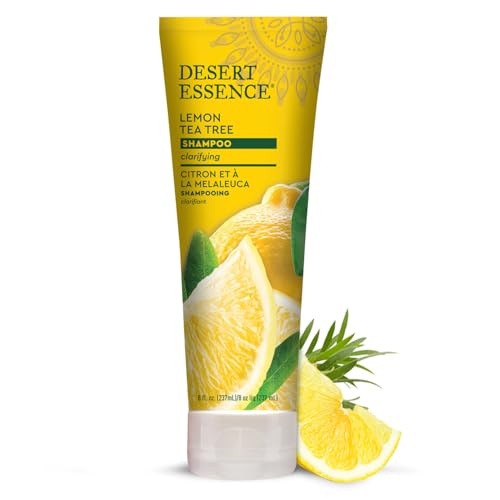
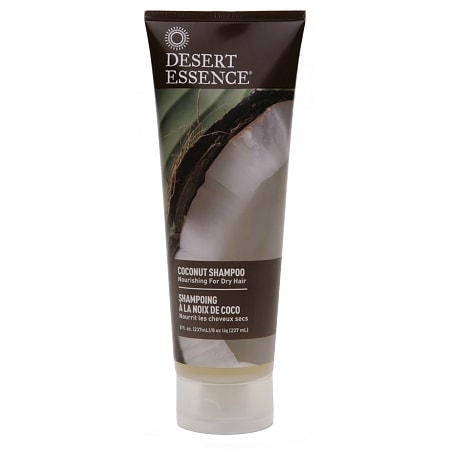
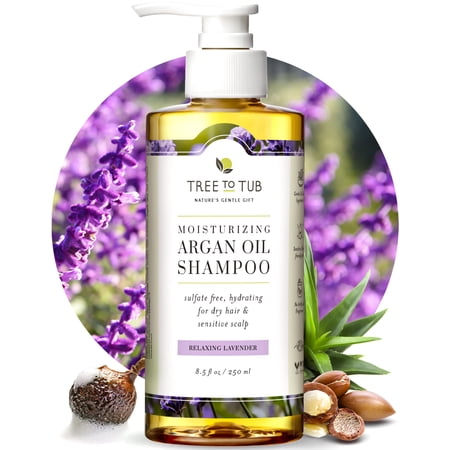

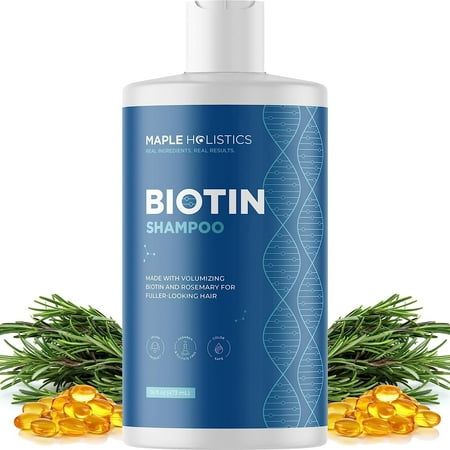
Desert Essence Tea Tree Lemon Shampoo 235 Ml
Summary
This shampoo contains beneficial ingredients like aloe vera, tea tree oil, and lemon peel extract, which provide soothing, antimicrobial, and moisturizing properties. The presence of mild surfactants like decyl glucoside and coco-glucoside ensures gentle cleansing suitable for sensitive skin. However, the inclusion of benzyl alcohol, which can cause irritation in some individuals, slightly detracts from its overall ingredient quality.
At a glance
Key ingredients 21
Aloe Barbadensis Leaf JuiceVery Good
Aloe Barbadensis Leaf Juice is known for its soothing and moisturizing properties, making it beneficial for hair and scalp health. It is typically extracted from the leaves of the aloe plant, ensuring a natural and minimally processed ingredient. Its hydrating qualities can help reduce scalp irritation and promote healthy hair growth.
Benefits
Provides hydration and soothing effects, which can improve scalp health and hair texture.
Citrus Limon Peel ExtractGood
Citrus Limon Peel Extract is used for its refreshing scent and potential antimicrobial properties. It is derived from lemon peels, which are rich in essential oils and antioxidants. This ingredient can help cleanse the scalp and add a natural fragrance to the product.
Benefits
Offers natural antimicrobial properties and a refreshing scent, enhancing the cleansing effect.
Sodium Coco-SulfateNeutral
Sodium Coco-Sulfate is a surfactant used for its cleansing and foaming properties. It is derived from coconut oil, making it a more natural alternative to harsher sulfates. While it effectively cleanses hair, it can be drying if used excessively.
Risks
May cause dryness or irritation for sensitive scalps if used frequently.
Benefits
Provides effective cleansing and foaming action, derived from a natural source.
Decyl GlucosideGood
Decyl Glucoside is a mild, non-ionic surfactant used for its gentle cleansing properties. It is derived from glucose and coconut oil, ensuring a biodegradable and skin-friendly ingredient. This makes it suitable for sensitive skin and environmentally conscious formulations.
Benefits
Offers gentle cleansing suitable for sensitive skin, with a low environmental impact.
Coco-GlucosideGood
Coco-Glucoside is a mild surfactant that provides gentle cleansing and foaming. It is produced from coconut oil and glucose, making it a biodegradable and eco-friendly option. Its mild nature makes it suitable for sensitive skin and hair types.
Benefits
Provides gentle cleansing and foaming, suitable for sensitive skin and environmentally friendly.
Sodium ChlorideNeutral
Sodium Chloride is commonly used as a thickening agent in shampoos. It is a natural mineral that helps adjust the viscosity of the product. While generally safe, excessive use can lead to dryness in hair care products.
Risks
May contribute to dryness if used in high concentrations.
Benefits
Helps to thicken the product and improve texture without significant health concerns.
GlycerinGood
Glycerin is a humectant that attracts moisture to the hair and scalp, providing hydration. It is typically derived from plant oils, ensuring a natural and effective moisturizing agent. Its ability to retain moisture makes it beneficial for dry or damaged hair.
Benefits
Enhances moisture retention, improving hydration and softness of hair.
Leptospermum Petersonii OilGood
Leptospermum Petersonii Oil, also known as lemon tea tree oil, is valued for its antimicrobial and refreshing properties. It is extracted from the leaves of the lemon tea tree, providing a natural fragrance and potential scalp benefits. Its antimicrobial action can help maintain a healthy scalp environment.
Benefits
Offers antimicrobial properties and a refreshing scent, supporting scalp health.
Melaleuca Alternifolia Leaf OilVery Good
Melaleuca Alternifolia Leaf Oil, commonly known as tea tree oil, is renowned for its antimicrobial and anti-inflammatory properties. It is extracted from the leaves of the tea tree, providing a natural solution for scalp issues. Its use can help reduce dandruff and soothe irritated scalps.
Benefits
Provides antimicrobial and soothing benefits, aiding in dandruff reduction and scalp health.
PanthenolGood
Panthenol, a form of vitamin B5, is used for its moisturizing and strengthening properties. It penetrates the hair shaft, improving moisture retention and elasticity. This can lead to healthier, more resilient hair.
Benefits
Enhances moisture retention and strengthens hair, promoting overall hair health.
Simmondsia Chinensis Seed OilVery Good
Simmondsia Chinensis Seed Oil, known as jojoba oil, is a natural emollient that closely resembles the skin's natural sebum. It is extracted from the seeds of the jojoba plant, providing a nourishing and moisturizing effect. Its use can help balance oil production and improve hair texture.
Benefits
Offers moisturizing and balancing properties, enhancing hair texture and scalp health.
Lepidium Meyenii Root ExtractGood
Lepidium Meyenii Root Extract, also known as maca root extract, is used for its nourishing and strengthening properties. It is derived from the maca plant, providing essential nutrients that support hair health. Its use can help improve hair strength and vitality.
Benefits
Provides essential nutrients that strengthen and nourish hair, enhancing vitality.
Yucca Brevifolia Root ExtractGood
Yucca Brevifolia Root Extract is valued for its cleansing and anti-inflammatory properties. It is extracted from the root of the yucca plant, offering natural saponins that help cleanse the scalp. Its use can aid in reducing scalp irritation and promoting a healthy scalp environment.
Benefits
Offers natural cleansing and anti-inflammatory benefits, supporting scalp health.
Symphytum Officinale Leaf ExtractGood
Symphytum Officinale Leaf Extract, commonly known as comfrey extract, is used for its soothing and healing properties. It is derived from the leaves of the comfrey plant, providing allantoin which aids in skin and scalp repair. Its use can help soothe irritated scalps and promote healing.
Benefits
Provides soothing and healing benefits, aiding in scalp repair and comfort.
Urtica Dioica Leaf ExtractGood
Urtica Dioica Leaf Extract, known as nettle extract, is used for its anti-inflammatory and hair-strengthening properties. It is derived from the leaves of the nettle plant, offering nutrients that support hair growth and scalp health. Its use can help reduce scalp inflammation and improve hair strength.
Benefits
Offers anti-inflammatory and strengthening benefits, supporting hair growth and scalp health.
Macrocystis Pyrifera ExtractGood
Macrocystis Pyrifera Extract, also known as kelp extract, is used for its nutrient-rich and moisturizing properties. It is derived from sea kelp, providing vitamins and minerals that nourish the hair and scalp. Its use can enhance hair hydration and improve overall hair health.
Benefits
Provides nutrients and moisture, enhancing hair hydration and health.
Salix Alba Bark ExtractGood
Salix Alba Bark Extract, known as white willow bark extract, is used for its anti-inflammatory and exfoliating properties. It is derived from the bark of the white willow tree, offering salicylic acid which helps cleanse and soothe the scalp. Its use can aid in reducing dandruff and promoting a healthy scalp environment.
Benefits
Offers anti-inflammatory and exfoliating benefits, supporting scalp health and reducing dandruff.
Benzyl AlcoholBad
Benzyl Alcohol is used as a preservative and solvent in cosmetic products. It is a naturally occurring compound but can cause irritation in sensitive individuals. While it helps preserve the product, its potential for irritation makes it less desirable in sensitive formulations.
Risks
May cause irritation or allergic reactions in sensitive individuals.
Benefits
Acts as a preservative, extending the shelf life of the product.
Citric AcidNeutral
Citric Acid is used to adjust the pH of cosmetic products, ensuring stability and effectiveness. It is derived from citrus fruits, providing a natural means of pH regulation. While generally safe, excessive use can lead to irritation in sensitive skin.
Risks
May cause irritation if used in high concentrations on sensitive skin.
Benefits
Helps maintain product stability and effectiveness by adjusting pH levels.
Dehydroacetic AcidNeutral
Dehydroacetic Acid is used as a preservative to prevent microbial growth in cosmetic products. It is a synthetic compound that is effective in low concentrations. While it helps maintain product safety, it is not derived from natural sources.
Benefits
Prevents microbial growth, ensuring product safety and longevity.
Potassium SorbateNeutral
Potassium Sorbate is a preservative used to inhibit the growth of mold and yeast in cosmetic products. It is a synthetic compound that is effective in maintaining product safety. While generally safe, it is not a natural ingredient.
Benefits
Inhibits mold and yeast growth, ensuring product safety and longevity.
Processing
Processed Foods
Get the full breakdown in the Scout app
Scan any product to see lab results, healthy alternatives, and your personalized analysis.
Download on theApp Store