


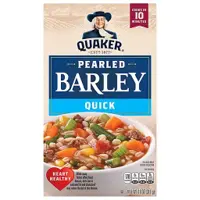
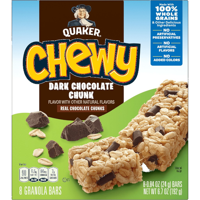


Quaker Avena Mosh
Analysis updated June 2026 · How Scout scores
At a glance
Summary
This product contains beneficial ingredients such as oat flakes and oat flour, which are minimally processed and provide dietary fiber and essential nutrients. It is fortified with several vitamins, enhancing its nutritional profile. However, the presence of BHT, a synthetic antioxidant with potential health risks, and the processed nature of the product limit its overall health score.
Key ingredients 13
Oat flakesGood
Oat flakes are a whole grain rich in dietary fiber and essential nutrients. They are minimally processed, retaining most of their natural nutrients. Oats are known for their heart health benefits due to beta-glucan content.
Risks
May contain traces of gluten, which can be a concern for individuals with celiac disease or gluten sensitivity.
Benefits
Rich in beta-glucan, which can help lower cholesterol levels and improve heart health. Provides a good source of energy and essential nutrients.
Oat flourGood
Oat flour is made from ground oats and retains many of the nutritional benefits of whole oats. It is a good source of fiber and protein. The flour is versatile and can be used in various recipes to enhance nutritional content.
Risks
May contain traces of gluten, which can be a concern for individuals with celiac disease or gluten sensitivity.
Benefits
Provides dietary fiber and protein, supporting digestive health and providing sustained energy.
Nicotinic acidGood
Nicotinic acid, also known as niacin, is a B vitamin important for energy metabolism. It is often added to foods to ensure adequate intake. Niacin supports cardiovascular health and helps reduce cholesterol levels.
Risks
High doses can cause flushing and liver damage.
Benefits
Supports energy metabolism and cardiovascular health. Helps maintain healthy skin and nerves.
Vitamin A acetateGood
Vitamin A acetate is a form of vitamin A used to fortify foods. It is essential for vision, immune function, and skin health. Fortification helps prevent vitamin A deficiency, especially in populations with limited dietary intake.
Risks
Excessive intake can lead to hypervitaminosis A, causing liver damage and other health issues.
Benefits
Supports vision, immune function, and skin health. Essential for growth and development.
RiboflavinGood
Riboflavin, or vitamin B2, is essential for energy production and cellular function. It is commonly added to foods to ensure adequate intake. Riboflavin supports skin health and helps convert food into energy.
Benefits
Supports energy production and skin health. Helps maintain healthy eyes and nerve function.
Thiamine mononitrateGood
Thiamine mononitrate is a form of vitamin B1 used to fortify foods. It is crucial for carbohydrate metabolism and nerve function. Fortification helps prevent thiamine deficiency, which can lead to neurological issues.
Benefits
Supports carbohydrate metabolism and nerve function. Essential for energy production and brain health.
CyanocobalaminGood
Cyanocobalamin is a synthetic form of vitamin B12 used to fortify foods. It is essential for nerve function and red blood cell formation. Fortification helps prevent vitamin B12 deficiency, especially in vegetarians and vegans.
Benefits
Supports nerve function and red blood cell formation. Essential for DNA synthesis and energy production.
Calcium carbonateNeutral
Calcium carbonate is used as a calcium supplement and food additive. It helps fortify foods with calcium, which is essential for bone health. It is a common and safe additive when used in appropriate amounts.
Risks
Excessive intake can lead to hypercalcemia, which may cause kidney stones and other health issues.
Benefits
Provides a source of calcium, which is crucial for maintaining strong bones and teeth.
Zinc oxideNeutral
Zinc oxide is used to fortify foods with zinc, an essential mineral for immune function. It is a common additive in fortified foods. Zinc is important for various bodily functions, including enzyme activity.
Risks
Excessive zinc intake can interfere with copper absorption and cause gastrointestinal issues.
Benefits
Provides zinc, which supports immune function and enzyme activity.
Electrolytic ironNeutral
Electrolytic iron is used to fortify foods with iron, an essential mineral for oxygen transport in the blood. It is a common fortification method in cereals. Iron is crucial for preventing anemia and supporting overall health.
Risks
Excessive iron intake can lead to toxicity, especially in individuals with hemochromatosis.
Benefits
Provides iron, which is essential for the production of hemoglobin and prevention of anemia.
Folic acidNeutral
Standard formulation ingredient — neither beneficial nor harmful at typical use.
Risks
Excessive intake can mask vitamin B12 deficiency symptoms.
Benefits
Supports DNA synthesis and cell division. Essential for preventing neural tube defects in developing fetuses.
Citric acidNeutral
Citric acid is a natural acid used as a preservative and flavor enhancer. It is commonly found in citrus fruits and is generally recognized as safe. It helps maintain the stability and flavor of food products.
Benefits
Acts as a natural preservative and enhances flavor. Helps maintain product stability.
BHTBad
BHT is a synthetic antioxidant used to preserve food freshness. It is controversial due to potential health risks associated with long-term consumption. Some studies suggest it may have carcinogenic effects in high doses.
Risks
Potential carcinogenic effects and may cause allergic reactions in sensitive individuals.
Benefits
Helps preserve food freshness by preventing oxidation.
Processing
Processed Foods
Get the full breakdown in the Scout appTake Scout shopping
Scan any product to see lab results, healthy alternatives, and your personalized analysis.
Download on theApp Store GET IT ONGoogle PlayAmazon pricing & content
Amazon price as of . Product prices and availability are accurate as of the date/time indicated and are subject to change. Any price and availability information displayed on Amazon.com at the time of purchase will apply to the purchase of this product.
CERTAIN CONTENT THAT APPEARS ON THIS SITE COMES FROM AMAZON. THIS CONTENT IS PROVIDED “AS IS” AND IS SUBJECT TO CHANGE OR REMOVAL AT ANY TIME.