

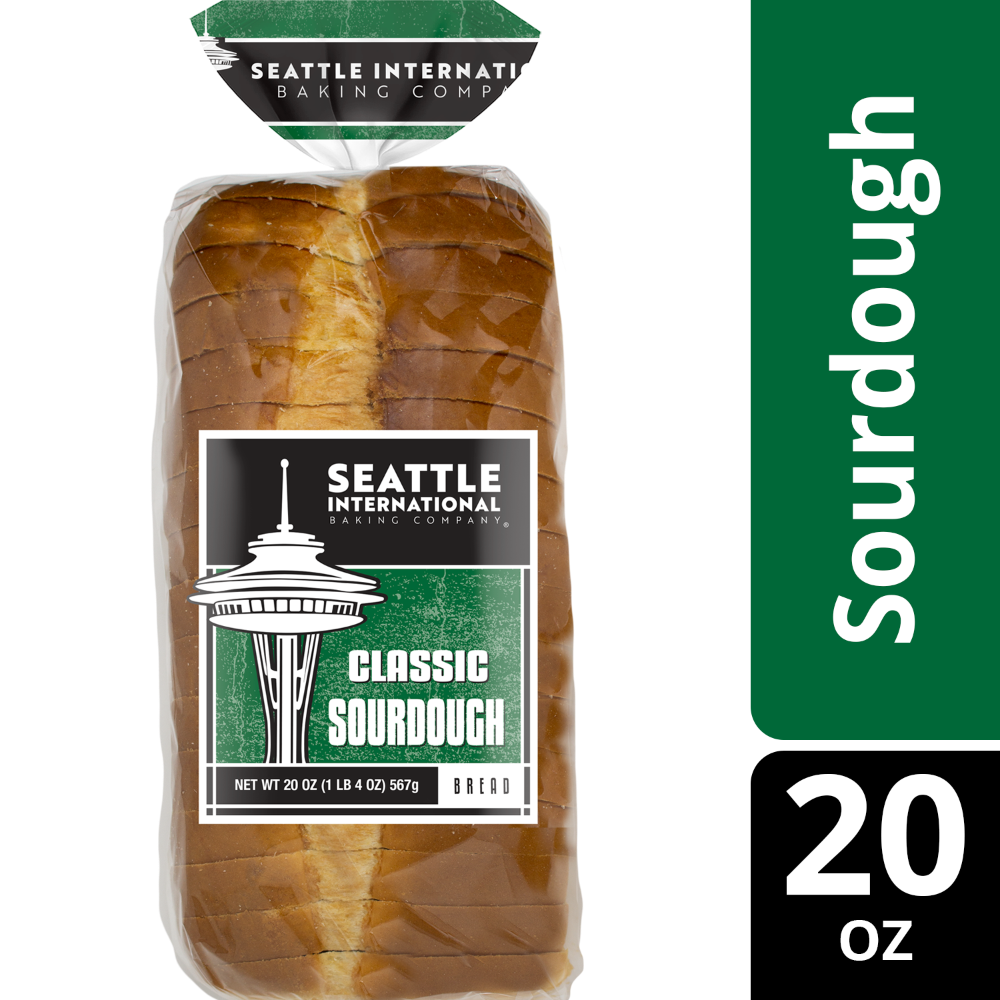


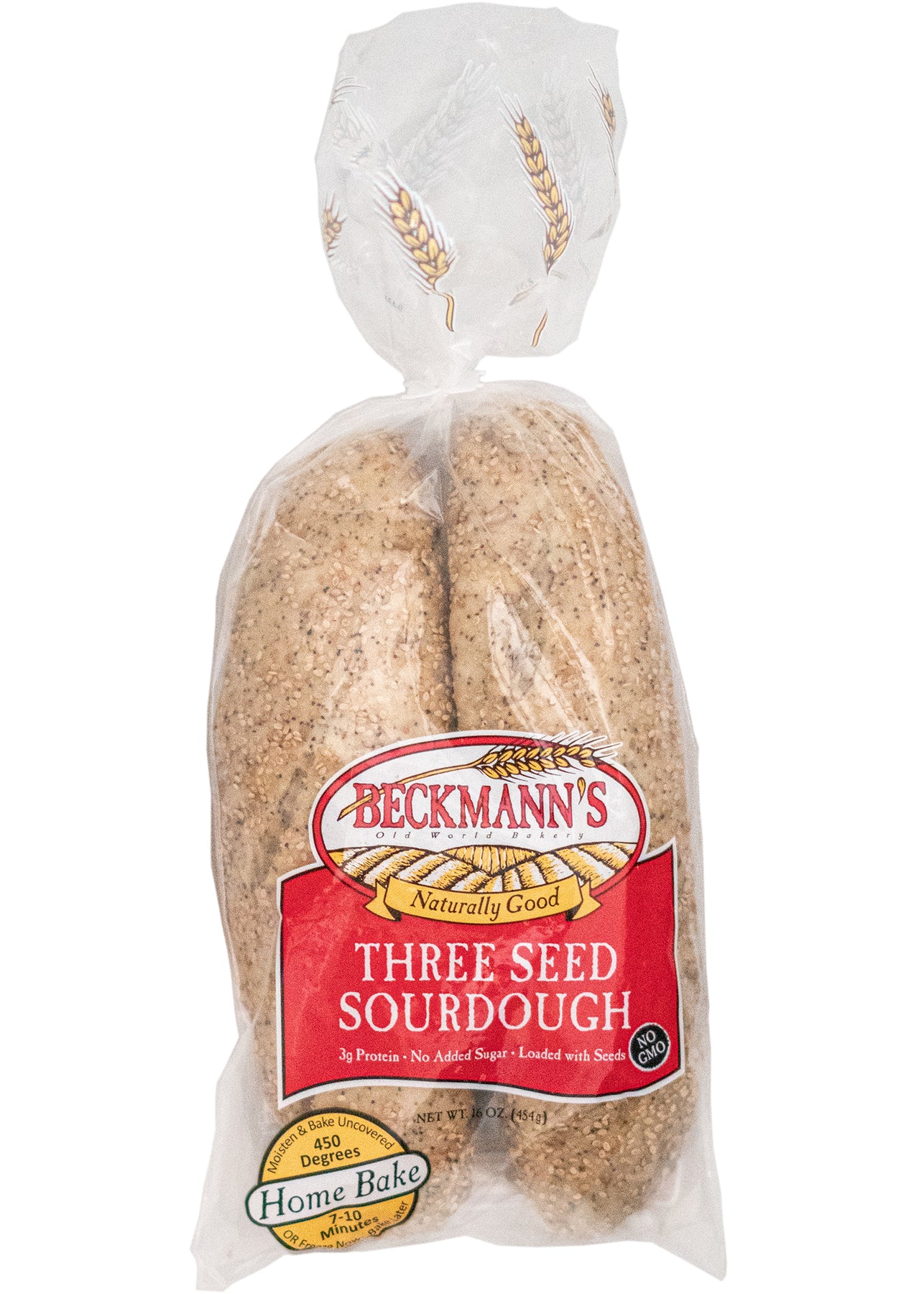
Unknown Product
Summary
This product is ultra-processed, which limits its potential health score despite having organic ingredients. The use of organic wheat flour and organic buttermilk blend is positive, as they are free from synthetic additives. However, the presence of added sugars and the high level of processing reduce its overall healthiness.
At a glance
Key ingredients 7
Organic wheat flourGood
Organic wheat flour is a staple ingredient providing carbohydrates and some protein. Being organic, it is free from synthetic pesticides and fertilizers, which is a quality indicator. It serves as a base for many baked goods, offering a source of energy.
Risks
May cause allergic reactions in individuals with gluten intolerance or celiac disease.
Benefits
Provides essential carbohydrates for energy and contains some protein and fiber.
Organic cane sugarNeutral
Organic cane sugar is a natural sweetener derived from sugarcane. It is less processed than refined sugar, retaining some molasses content. However, it still contributes to added sugar intake, which should be moderated.
Risks
Excessive consumption can lead to health issues such as obesity and dental cavities.
Benefits
Provides a natural source of sweetness with minimal processing compared to refined sugars.
Organic buttermilk blendGood
Organic buttermilk blend, made from organic sweet cream and buttermilk, adds moisture and a tangy flavor to baked goods. Being organic, it is free from synthetic additives and hormones. It also contributes to the product's protein content.
Risks
May not be suitable for individuals with lactose intolerance or dairy allergies.
Benefits
Enhances flavor and texture while providing protein and beneficial fats.
Leavening (calcium acid pyrophosphate, baking soda)Neutral
Leavening agents like calcium acid pyrophosphate and baking soda are used to help dough rise. They are common in baking and generally recognized as safe when used in moderation. These agents are essential for achieving the desired texture in baked goods.
Risks
Excessive consumption of leavening agents can lead to digestive discomfort.
Benefits
Essential for creating light and airy textures in baked products.
SaltNeutral
Salt is used to enhance flavor and act as a preservative in food products. It is a common ingredient in baking and cooking. While necessary for flavor, high sodium intake should be monitored.
Risks
Excessive sodium intake can contribute to high blood pressure and cardiovascular issues.
Benefits
Enhances flavor and acts as a preservative.
Organic potato starchGood
Organic potato starch is a natural thickening agent that is gluten-free and adds texture to baked goods. Being organic, it is free from synthetic pesticides and fertilizers. It is often used to improve the texture and moisture retention in gluten-free baking.
Benefits
Provides a gluten-free thickening option and improves texture in baked goods.
Organic tapioca starchGood
Organic tapioca starch is a gluten-free thickener derived from cassava root. It is valued for its neutral flavor and ability to improve texture in gluten-free products. Being organic, it is free from synthetic additives and pesticides.
Benefits
Enhances texture and moisture retention in gluten-free baking.
Processing
Ultra-Processed Foods
Get the full breakdown in the Scout app
Scan any product to see lab results, healthy alternatives, and your personalized analysis.
Download on theApp Store