
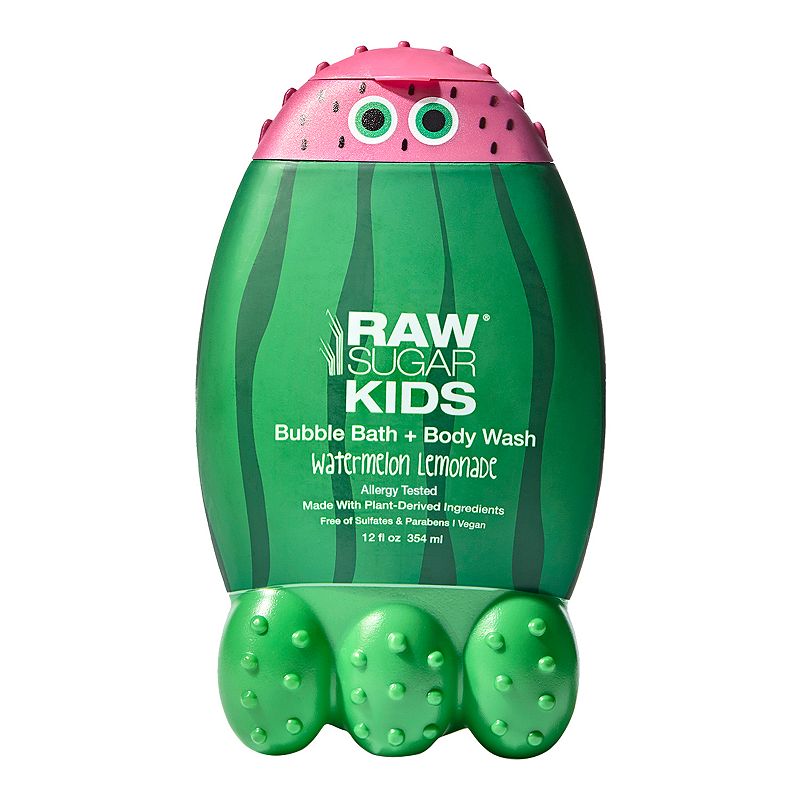
Raw Sugar Kids Bubble Bath + Body Wash - Watermelon Lemonade 12 fl oz
Analysis updated July 2026 · How Scout scores
At a glance
Summary
This product contains a mix of natural and synthetic ingredients, with some beneficial components like natural oils and botanicals. However, it also includes synthetic fragrance, which can be a concern for sensitive skin and may contain undisclosed chemicals. The presence of synthetic ingredients and fragrance slightly lowers its overall safety profile, but it remains a relatively safe choice for children's skin care.
Key ingredients 11
Vitamin EVery Good
Vitamin E is a powerful antioxidant that helps to protect the skin from free radical damage. It also has moisturizing properties and can improve skin texture. It is widely used in skincare for its protective and nourishing benefits.
Risks
Very low risk of skin irritation.
Benefits
Protects against oxidative stress and improves skin hydration.
Jojoba OilVery Good
Jojoba oil is a natural oil that closely resembles the skin's natural sebum. It is highly moisturizing and helps to balance oil production. It is non-comedogenic and suitable for all skin types.
Risks
Minimal risk of allergic reactions.
Benefits
Moisturizes and balances the skin without clogging pores.
Aloe VeraVery Good
Aloe Vera is known for its soothing and healing properties. It provides hydration and can help to calm irritated skin. It is widely used in skincare for its gentle and effective benefits.
Risks
Rarely causes allergic reactions.
Benefits
Soothes and hydrates the skin, promoting healing.
Citrullus Lanatus (Watermelon) ExtractGood
Watermelon extract is rich in vitamins and antioxidants, which can help to nourish and protect the skin. It is known for its hydrating and soothing properties. It is generally well-tolerated and beneficial for skin health.
Risks
Rarely causes allergic reactions.
Benefits
Provides hydration and antioxidant protection to the skin.
Water (Aqua)Neutral
Water is a universal solvent and is used as a base in many cosmetic products. It helps to dissolve other ingredients and provides hydration. It is generally considered safe and non-irritating.
Risks
There are no significant risks associated with water in cosmetic formulations.
Benefits
Water helps to hydrate the skin and acts as a carrier for other beneficial ingredients.
Cocamidopropyl BetaineNeutral
Cocamidopropyl Betaine is a mild surfactant derived from coconut oil. It is used to reduce irritation potential of other surfactants and improve foam quality. It is generally considered safe but can cause allergic reactions in some individuals.
Risks
May cause allergic reactions or skin irritation in sensitive individuals.
Benefits
Helps to create a rich lather and reduces irritation from harsher surfactants.
Sodium ChlorideNeutral
Sodium Chloride, or table salt, is used to thicken the consistency of cosmetic products. It is generally safe and non-irritating in small amounts. It can, however, cause dryness if used in high concentrations.
Risks
Excessive use can lead to skin dryness.
Benefits
Helps to adjust the viscosity of the product.
Cocamidopropyl HydroxysultaineNeutral
Cocamidopropyl Hydroxysultaine is a mild surfactant and foam booster. It is used to enhance the texture and feel of the product. It is generally considered safe and non-irritating.
Risks
Minimal risk of skin irritation.
Benefits
Improves foam quality and product texture.
Sodium C14-16 Olefin SulfonateBad
Sodium C14-16 Olefin Sulfonate is a surfactant used for its cleansing properties. It can be harsh on the skin, potentially causing dryness or irritation. It is often used as an alternative to SLS but can still strip natural oils.
Risks
Potential skin irritation and dryness due to its strong cleansing action.
Benefits
Effective at removing dirt and oil from the skin.
ParabensBad
Parabens are preservatives used to prevent microbial growth in cosmetics. They have been linked to hormone disruption and are considered controversial. Many consumers prefer paraben-free products due to potential health concerns.
Risks
Potential endocrine disruption and allergic reactions.
Benefits
Effective at preserving product integrity by preventing microbial growth.
PhthalatesBad
Phthalates are used to enhance the flexibility and longevity of fragrances in cosmetics. They have been associated with hormone disruption and reproductive toxicity. Due to health concerns, many products are now formulated without phthalates.
Risks
Potential endocrine disruption and reproductive toxicity.
Benefits
Improves fragrance longevity and product flexibility.
Get the full breakdown in the Scout appTake Scout shopping
Scan any product to see lab results, healthy alternatives, and your personalized analysis.
Download on theApp Store GET IT ONGoogle PlayAmazon pricing & content
Amazon price as of . Product prices and availability are accurate as of the date/time indicated and are subject to change. Any price and availability information displayed on Amazon.com at the time of purchase will apply to the purchase of this product.
CERTAIN CONTENT THAT APPEARS ON THIS SITE COMES FROM AMAZON. THIS CONTENT IS PROVIDED “AS IS” AND IS SUBJECT TO CHANGE OR REMOVAL AT ANY TIME.