

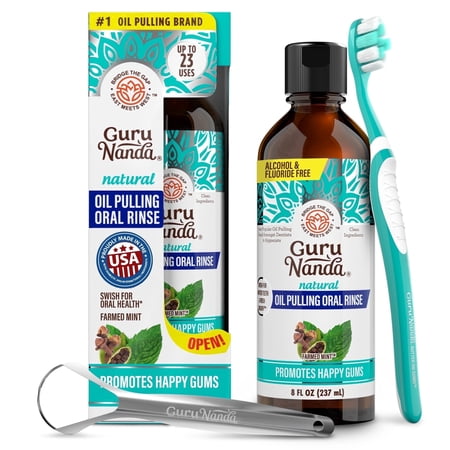
GuruNanda Cocomint Oil Pulling with Essential Oils and Vitamins - 16 oz
Analysis updated August 2026 · How Scout scores
At a glance
Summary
This product features a clean formula with beneficial ingredients such as coconut-derived triglycerides and a variety of essential oils known for their antimicrobial properties, including peppermint, spearmint, and tea tree oil. The absence of harmful chemicals like SLS, fluoride, and alcohol contributes to its high rating, making it a safe and effective choice for oral care.
Key ingredients 12
Caprylic/Capric/Lauric TriglycerideGood
This ingredient is derived from coconut oil and is known for its antimicrobial properties. It helps in maintaining oral hygiene by reducing harmful bacteria. It is generally safe and beneficial for oral care.
Risks
There are minimal risks associated with this ingredient, primarily related to rare allergic reactions.
Benefits
It provides antimicrobial benefits and helps in maintaining oral hygiene.
Peppermint (Mentha piperita) OilGood
Peppermint oil is a natural antimicrobial agent that helps in reducing oral bacteria. It also provides a fresh breath due to its minty flavor. It is widely used in oral care products for its benefits.
Risks
In rare cases, it may cause irritation if used in excessive amounts.
Benefits
It offers antimicrobial properties and freshens breath.
Spearmint (Mentha spicata) OilGood
Spearmint oil is known for its antimicrobial properties and is effective in reducing oral bacteria. It also provides a pleasant minty flavor, enhancing the freshness of breath. It is a common ingredient in oral care products.
Risks
Potential for irritation exists if used excessively.
Benefits
It provides antimicrobial benefits and freshens breath.
Clove (Eugenia caryophyllus) OilGood
Clove oil is known for its analgesic and antimicrobial properties, making it beneficial for oral health. It can help in reducing toothache and preventing bacterial growth. It is a traditional remedy for oral care.
Risks
Excessive use may cause irritation or allergic reactions.
Benefits
It offers pain relief and antimicrobial benefits.
Cardamom (Elettaria cardamomum) OilGood
Cardamom oil has antimicrobial properties and is effective in reducing oral bacteria. It also provides a pleasant aroma and flavor, contributing to fresh breath. It is beneficial for maintaining oral hygiene.
Risks
Allergic reactions are possible but rare.
Benefits
It provides antimicrobial benefits and enhances breath freshness.
Tea Tree (Melaleuca alternifolia) OilGood
Tea tree oil is a powerful natural antimicrobial agent that helps in reducing oral bacteria. It is effective in maintaining oral hygiene and preventing infections. It is commonly used in oral care products for its benefits.
Risks
Potential for irritation exists if used in high concentrations.
Benefits
It offers strong antimicrobial properties.
Oregano (Origanum vulgare) OilGood
Oregano oil is known for its strong antimicrobial properties, making it effective in reducing oral bacteria. It is beneficial for maintaining oral hygiene and preventing infections. It is a natural ingredient used in oral care.
Risks
Excessive use may cause irritation or allergic reactions.
Benefits
It offers strong antimicrobial benefits.
Fennel (Foeniculum vulgare) OilGood
Fennel oil has antimicrobial properties and is effective in reducing oral bacteria. It also provides a pleasant flavor, contributing to fresh breath. It is beneficial for oral hygiene.
Risks
Allergic reactions are possible but rare.
Benefits
It provides antimicrobial benefits and enhances breath freshness.
Cholecalciferol (Vitamin D3)Good
Beneficial ingredient — whole-food or functional value in this product class.
Risks
There are minimal risks associated with its use.
Benefits
It supports oral health by maintaining healthy teeth and bones.
Stevia Leaf ExtractNeutral
Stevia leaf extract is a natural sweetener that does not contribute to tooth decay. It is used as a sugar substitute in oral care products. It is generally considered safe and non-cariogenic.
Risks
There are minimal risks associated with its use.
Benefits
It provides sweetness without contributing to tooth decay.
D-alpha-tocopherol (Vitamin E)Neutral
Vitamin E is an antioxidant that can help in protecting oral tissues from oxidative stress. It is used in oral care products for its potential protective benefits. It is generally considered safe.
Risks
There are minimal risks associated with its use.
Benefits
It provides antioxidant protection to oral tissues.
Menaquinone-7 (Vitamin K2 MK-7)Neutral
Vitamin K2 MK-7 is important for bone health and may support oral health by aiding in calcium metabolism. It is used in oral care products for its potential benefits. It is generally considered safe.
Risks
There are minimal risks associated with its use.
Benefits
It supports oral health by aiding in calcium metabolism.
Processing
Processed Culinary Ingredients
Get the full breakdown in the Scout appTake Scout shopping
Scan any product to see lab results, healthy alternatives, and your personalized analysis.
Download on theApp Store GET IT ONGoogle Play