


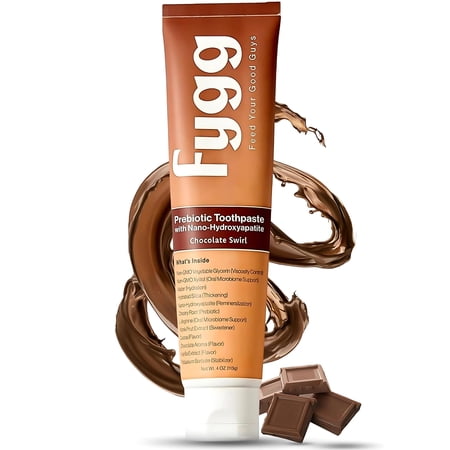
Fygg Mild Mint Nano-Hydroxyapatite Toothpaste
Analysis updated August 2026 · How Scout scores
At a glance
Summary
This toothpaste features beneficial ingredients like xylitol and nano-hydroxyapatite, which are excellent for reducing cavities and remineralizing enamel. The formula is free from harmful substances such as fluoride, SLS, and artificial additives, making it a clean and safe choice for oral care. The inclusion of natural aromas and minimal processing further enhances its health profile.
Key ingredients 12
Non-GMO XylitolVery Good
Xylitol is a natural sweetener that has been shown to reduce cavity-causing bacteria in the mouth. It is beneficial for oral health as it helps to prevent tooth decay. Xylitol also stimulates saliva production, which aids in the remineralization of teeth.
Risks
In large amounts, xylitol can cause digestive upset, but this is unlikely in toothpaste use.
Benefits
Xylitol is effective in reducing the risk of cavities and promoting oral health.
Nano-HydroxyapatiteVery Good
Nano-hydroxyapatite is a biomimetic mineral that helps to remineralize and repair tooth enamel. It is highly beneficial for oral health, providing a protective barrier against cavities. This ingredient mimics the natural mineral component of teeth, enhancing their strength and resilience.
Risks
There are minimal risks associated with nano-hydroxyapatite, as it is biocompatible and safe.
Benefits
It effectively strengthens and repairs enamel, reducing sensitivity and preventing decay.
Non-GMO Vegetable GlycerinNeutral
Vegetable glycerin is a common humectant used to retain moisture in toothpaste. It is derived from plant oils and is generally considered safe for oral care. It does not contribute to dental health directly but helps maintain the product's texture.
Risks
There are minimal risks associated with vegetable glycerin, though excessive use may lead to a sticky feeling in the mouth.
Benefits
It helps to keep the toothpaste moist and spreadable, enhancing user experience.
WaterNeutral
Water is used as a solvent in toothpaste to dissolve other ingredients and provide the desired consistency. It is a neutral component that does not directly affect oral health. Water helps to distribute the active ingredients evenly throughout the mouth.
Risks
There are no significant risks associated with water in toothpaste.
Benefits
Water aids in the application and effectiveness of the toothpaste.
Hydrated SilicaNeutral
Hydrated silica is used as a mild abrasive to help remove plaque and surface stains from teeth. It is generally considered safe for use in toothpaste. While it aids in cleaning, it does not provide any direct health benefits.
Risks
Excessive abrasiveness can potentially damage enamel, but hydrated silica is formulated to be gentle.
Benefits
It helps in cleaning teeth by removing surface stains and plaque.
Chicory RootNeutral
Chicory root is often used for its prebiotic properties, though its role in toothpaste is less clear. It may contribute to the overall health of the oral microbiome. However, it does not have a direct impact on dental health.
Risks
There are no significant risks associated with chicory root in toothpaste.
Benefits
It may support a healthy oral microbiome, though its benefits in toothpaste are not well-documented.
L-ArginineNeutral
L-Arginine is an amino acid that may help reduce dental sensitivity by blocking pathways to the nerves in teeth. It is considered safe and potentially beneficial for those with sensitive teeth. However, its effectiveness in toothpaste is still under study.
Risks
There are minimal risks associated with L-Arginine in toothpaste.
Benefits
It may help reduce tooth sensitivity, providing relief for sensitive teeth.
Monk Fruit ExtractNeutral
Monk fruit extract is a natural sweetener used to enhance the flavor of toothpaste without contributing to tooth decay. It is considered safe and does not have a significant impact on oral health. Its primary role is to improve taste without the negative effects of sugar.
Risks
There are no significant risks associated with monk fruit extract in toothpaste.
Benefits
It provides a pleasant taste without increasing the risk of cavities.
Creamy Mint AromaNeutral
Creamy mint aroma is used to provide a fresh and pleasant taste to the toothpaste. It does not have any direct health benefits but enhances the user experience. The aroma is typically derived from natural mint oils, which can have mild antimicrobial properties.
Risks
There are no significant risks associated with mint aroma in toothpaste.
Benefits
It provides a refreshing taste and can contribute to fresh breath.
Matcha AromaNeutral
Matcha aroma is used to impart a unique flavor to the toothpaste. It does not have any direct impact on oral health. The aroma is primarily for sensory appeal and does not contribute to the toothpaste's effectiveness.
Risks
There are no significant risks associated with matcha aroma in toothpaste.
Benefits
It enhances the flavor profile, making the toothpaste more enjoyable to use.
LimoneneNeutral
Limonene is a natural compound found in citrus oils, used for its pleasant scent and potential antimicrobial properties. It is generally considered safe in toothpaste formulations. While it may contribute to fresh breath, its primary role is as a fragrance component.
Risks
In rare cases, limonene can cause allergic reactions, but this is uncommon.
Benefits
It provides a citrus scent and may have mild antimicrobial effects.
Potassium SorbateNeutral
Potassium sorbate is a preservative used to prevent the growth of mold and bacteria in toothpaste. It is considered safe and effective for maintaining product stability. While it does not contribute to oral health directly, it ensures the product remains safe to use over time.
Risks
There are minimal risks associated with potassium sorbate, though some individuals may experience mild irritation.
Benefits
It helps to preserve the toothpaste, extending its shelf life and preventing spoilage.
Processing
Processed Foods
Get the full breakdown in the Scout appTake Scout shopping
Scan any product to see lab results, healthy alternatives, and your personalized analysis.
Download on theApp Store GET IT ONGoogle PlayAmazon pricing & content
Amazon price as of . Product prices and availability are accurate as of the date/time indicated and are subject to change. Any price and availability information displayed on Amazon.com at the time of purchase will apply to the purchase of this product.
CERTAIN CONTENT THAT APPEARS ON THIS SITE COMES FROM AMAZON. THIS CONTENT IS PROVIDED “AS IS” AND IS SUBJECT TO CHANGE OR REMOVAL AT ANY TIME.