


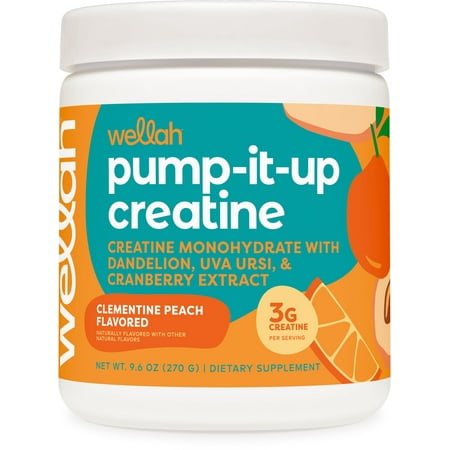

Creatine Monohydrate - Mango Pineapple
Summary
This creatine supplement contains high-quality creatine monohydrate, which is beneficial for enhancing athletic performance and muscle growth. However, the presence of sucralose, artificial flavors, and natural flavors introduces concerns due to their highly processed nature and potential health impacts. The product also includes several additives, which slightly detract from its overall formulation quality.
At a glance
Key ingredients 9
Creatine MonohydrateVery Good
Creatine Monohydrate is a highly effective supplement for enhancing athletic performance and supporting muscle growth. It is a well-researched compound that improves strength and endurance by increasing phosphocreatine stores in muscles. This ingredient is considered high-quality and beneficial for fitness enthusiasts.
Benefits
Known for its ability to enhance muscle mass, strength, and exercise performance.
Citric AcidNeutral
Citric Acid is commonly used as a preservative and flavor enhancer in food products. It is naturally found in citrus fruits and is generally recognized as safe. While it has no significant nutritional benefits, it helps maintain product stability.
Risks
Excessive consumption may lead to dental erosion.
Malic AcidNeutral
Malic Acid is used to enhance flavor and improve the tartness of food products. It is naturally present in many fruits and is considered safe for consumption. It plays a role in the Krebs cycle, which is essential for energy production.
Benefits
May support energy production in the body.
SucraloseBad
Sucralose is an artificial sweetener used to provide sweetness without calories. It is highly processed and may affect gut health by altering the microbiome. While it is approved for use, some studies suggest potential negative health impacts.
Risks
May negatively impact gut health and alter glucose metabolism.
Benefits
Provides sweetness without adding calories.
Natural FlavorsBad
Natural Flavors are a catch-all term for flavoring agents derived from natural sources. The lack of transparency in their composition can be concerning as they may contain additives or allergens. They are often used to enhance taste without providing nutritional benefits.
Risks
Potential allergenicity and lack of transparency in ingredient composition.
Artificial FlavorsBad
Artificial Flavors are synthetic compounds used to mimic natural flavors. They are highly processed and may contain chemicals that could have adverse health effects. Their use is primarily for taste enhancement without nutritional value.
Risks
Potential for adverse health effects due to synthetic chemical content.
Calcium SilicateNeutral
Calcium Silicate is used as an anti-caking agent to prevent clumping in powdered products. It is considered safe for consumption in small amounts. It does not contribute any nutritional value to the product.
See more about Calcium Silicate →Silicon DioxideNeutral
Silicon Dioxide is commonly used as an anti-caking agent in food products. It is naturally occurring and generally recognized as safe. It helps maintain the free-flowing nature of powdered supplements.
See more about Silicon Dioxide →Beta-CaroteneNeutral
Beta-Carotene is a natural pigment used for coloring and is a precursor to vitamin A. While it can be beneficial as a source of vitamin A, in this context, it is primarily used for color. It does not significantly contribute to the nutritional profile of the product.
Risks
Excessive intake may lead to carotenemia, a harmless condition causing skin discoloration.
Benefits
Can be converted to vitamin A, which is essential for vision and immune function.
Processing
Ultra-Processed Foods
Get the full breakdown in the Scout app
Scan any product to see lab results, healthy alternatives, and your personalized analysis.
Download on theApp Store