

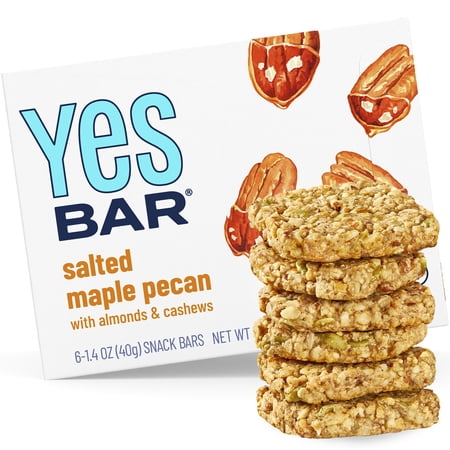
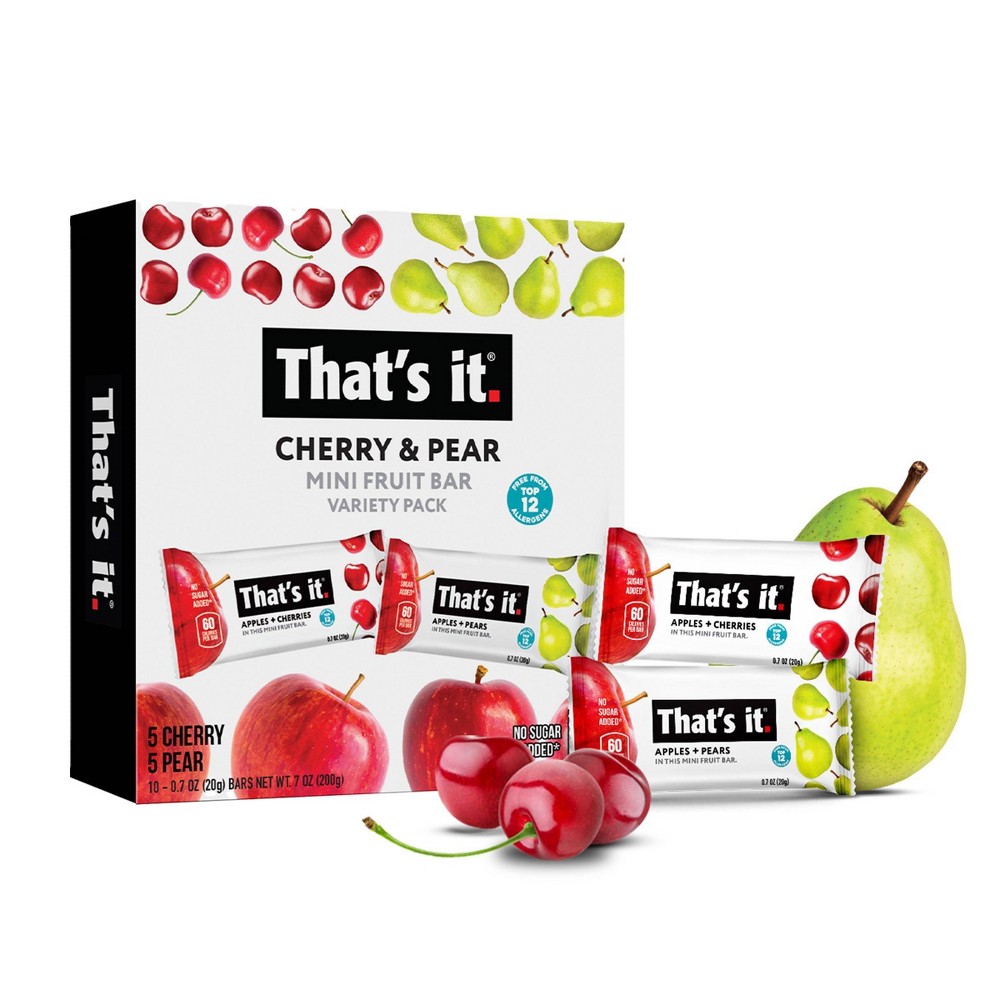


Organic Fruit Chews
Summary
The product contains organic ingredients and uses natural colorants like turmeric and fruit concentrates, which are positive aspects. However, it is heavily processed and includes high levels of added sugars and palm oil, which are concerning for health. The presence of multiple additives and the high processing level further impact its overall healthiness.
At a glance
Key ingredients 9
Organic Rice SyrupNeutral
Organic rice syrup is a sweetener derived from rice, often used as an alternative to refined sugars. It is less processed than high fructose corn syrup but still contributes to high sugar content. It lacks significant nutritional benefits compared to whole food sweeteners.
Risks
High sugar content can contribute to increased blood sugar levels and potential weight gain.
Benefits
Being organic, it avoids pesticide residues and is less processed than some other sweeteners.
Organic Cane SugarBad
Organic cane sugar is a refined sugar that contributes to the product's high sugar content. Despite being organic, it still poses similar health risks as regular refined sugar. It lacks the nutritional benefits found in less processed sweeteners like honey or dates.
Risks
Excessive consumption can lead to obesity, insulin resistance, and dental issues.
Organic Palm OilBad
Organic palm oil is a saturated fat that is often criticized for its environmental impact and potential health concerns. While organic certification ensures no pesticide residues, it still contains high levels of saturated fats. Compared to healthier fats like olive oil, it offers fewer health benefits.
Risks
High saturated fat content may contribute to cardiovascular disease if consumed in excess.
Organic Natural FlavorsNeutral
Organic natural flavors are used to enhance taste but can be a catch-all term for various compounds. Being organic, they avoid synthetic additives but still lack transparency. They do not provide nutritional benefits and can mask the quality of the base ingredients.
Risks
Potential for undisclosed allergens or sensitivities due to lack of transparency.
Citric AcidNeutral
Citric acid is a natural preservative and flavor enhancer commonly used in food products. It is generally recognized as safe and helps maintain product freshness. It does not provide nutritional benefits but is essential for product stability.
Risks
Excessive consumption may cause dental erosion or gastrointestinal discomfort.
Organic Sunflower LecithinNeutral
Organic sunflower lecithin is an emulsifier that helps blend ingredients. It is a better alternative to soy lecithin for those with soy allergies. While it aids in texture, it does not offer significant nutritional benefits.
Benefits
May support brain health due to phospholipid content, though benefits are minimal in small amounts.
Colored With Organic Fruit And Vegetable ConcentratesGood
Using organic fruit and vegetable concentrates for coloring is a natural alternative to artificial dyes. It provides a source of natural pigments without synthetic additives. This method enhances the product's appeal while maintaining a clean label.
Benefits
Provides natural color without synthetic additives, supporting a cleaner ingredient profile.
Organic Turmeric (Color)Good
Organic turmeric is used for its natural coloring properties and potential health benefits. It contains curcumin, which has anti-inflammatory and antioxidant properties. As a natural colorant, it avoids synthetic dyes and adds a healthful aspect to the product.
Benefits
Contains curcumin, which may offer anti-inflammatory and antioxidant benefits.
PectinNeutral
Pectin is a natural gelling agent derived from fruits, commonly used to provide texture in food products. It is a fiber source but is present in small amounts in processed foods. It does not significantly contribute to the nutritional profile of the product.
Benefits
Provides a source of dietary fiber, though minimal in processed form.
Processing
Ultra-Processed Foods
Get the full breakdown in the Scout app
Scan any product to see lab results, healthy alternatives, and your personalized analysis.
Download on theApp Store