

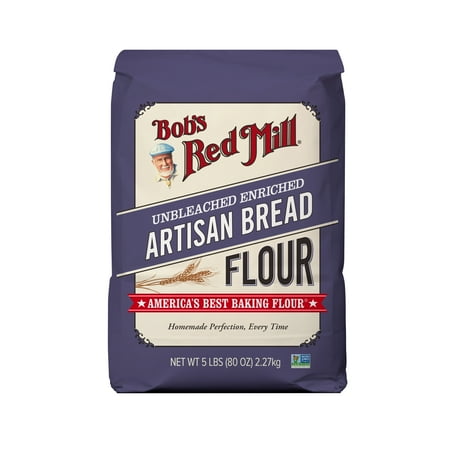

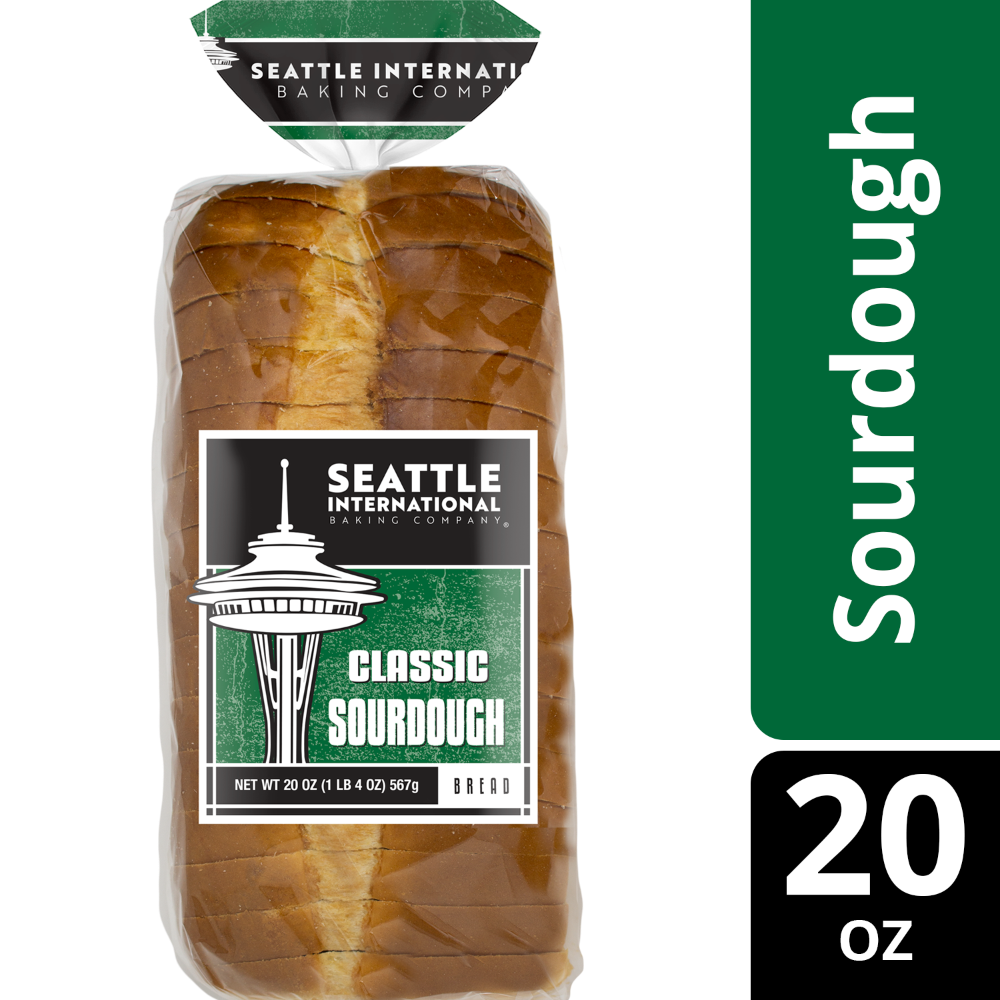
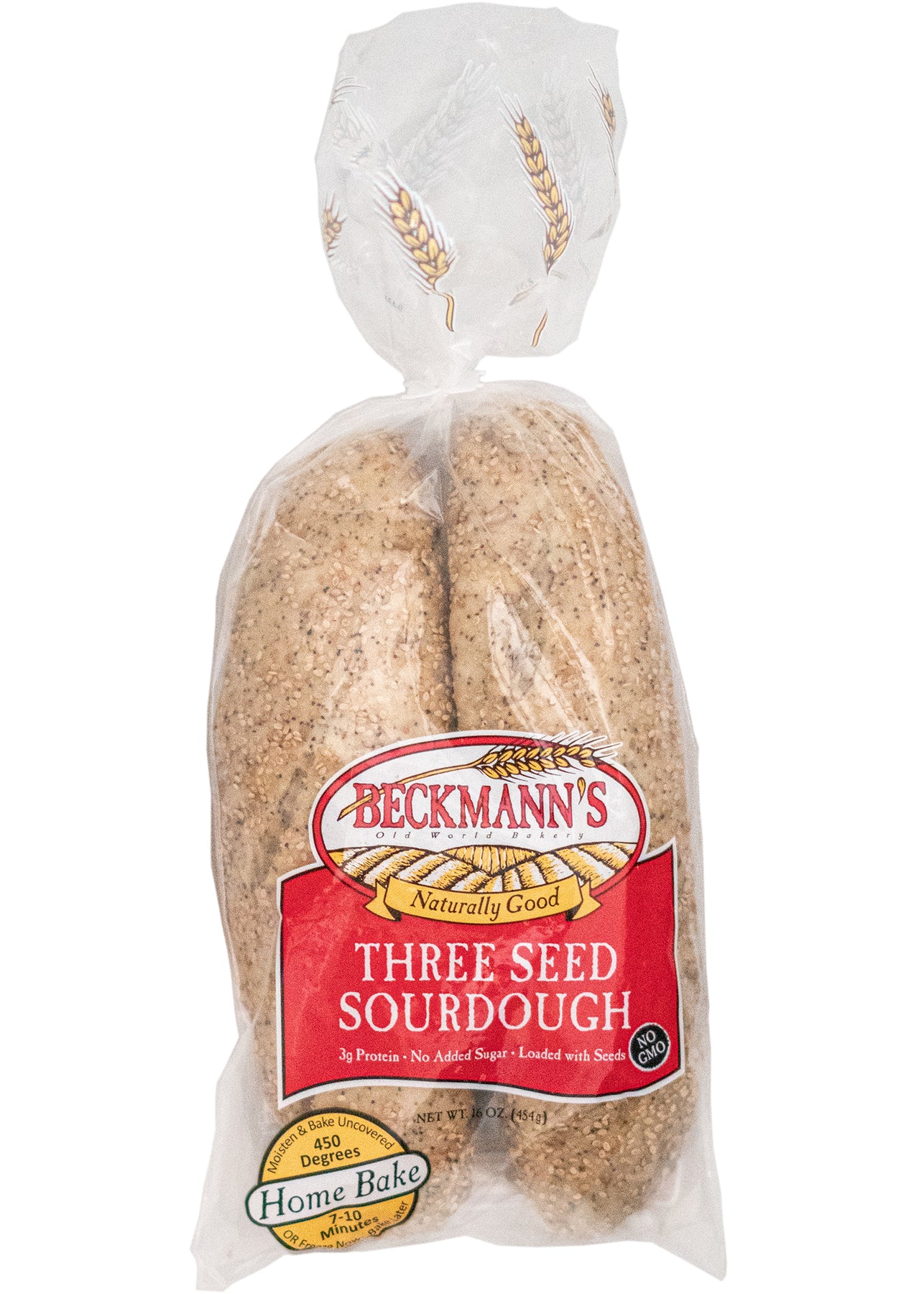
Classic Sourdough Artisan Bread
Summary
This sourdough bread contains several beneficial ingredients like organic whole wheat flour and barley malt, which contribute to its nutritional value. However, the presence of organic sunflower oil, a seed oil high in omega-6 fatty acids, and its classification as an ultra-processed product limit its healthiness. Despite some clean ingredients, the processing level and inclusion of seed oil significantly impact the overall score.
At a glance
Key ingredients 11
Unbleached Enriched Wheat FlourNeutral
Unbleached enriched wheat flour is a refined flour that has been fortified with vitamins and minerals. It lacks the fiber and nutrients found in whole grain flours. While it provides structure and texture to baked goods, it is not as nutritionally beneficial as whole grain alternatives.
Risks
May contribute to blood sugar spikes due to its refined nature and lack of fiber.
Benefits
Provides essential vitamins and minerals due to enrichment, contributing to nutritional intake.
Wheat SourdoughGood
Wheat sourdough is a fermented dough that enhances the digestibility of wheat. The fermentation process can increase the availability of nutrients and improve gut health. It also imparts a unique flavor and texture to the bread.
Benefits
Fermentation can improve nutrient absorption and promote gut health by introducing beneficial bacteria.
Organic Unbleached Wheat FlourGood
Organic unbleached wheat flour is a less processed flour that retains more nutrients compared to bleached flour. Being organic, it is free from synthetic pesticides and fertilizers. It provides a cleaner and more natural ingredient option for baking.
Benefits
Retains more nutrients than bleached flour and is free from synthetic chemicals due to organic farming practices.
Organic Barley MaltGood
Organic barley malt is a natural sweetener and flavor enhancer derived from sprouted barley grains. It is minimally processed and retains some nutrients from the barley. It adds a rich, malty flavor to baked goods.
Benefits
Provides a natural source of sweetness and flavor with minimal processing, retaining some nutritional benefits of barley.
Sea SaltGood
Unrefined sea salt — a minimally processed, natural source of sodium and essential trace minerals, and a legitimate whole-food seasoning. Treated as a positive ingredient.
Risks
Excessive consumption can lead to high blood pressure and other cardiovascular issues.
Benefits
Contains trace minerals and enhances flavor without the additives found in table salt.
Organic Sunflower OilVery Bad
Organic sunflower oil is a seed oil high in omega-6 fatty acids, which can promote inflammation if consumed in excess. Despite being organic, it is still heavily processed and not ideal for health. It is used for its neutral flavor and high smoke point in cooking.
Risks
High omega-6 content may promote inflammation when consumed in excess.
Benefits
Provides a neutral flavor and high smoke point, suitable for cooking at higher temperatures.
Cultured Organic Wheat Flour With Organic VinegarGood
Cultured organic wheat flour with organic vinegar is used to enhance the flavor and shelf life of bread naturally. The culturing process can improve the digestibility and nutrient availability of the flour. It is a cleaner alternative to chemical preservatives.
Benefits
Enhances flavor and shelf life naturally, improving digestibility and nutrient absorption.
Wheat GlutenNeutral
Wheat gluten is a protein derived from wheat that provides elasticity and structure to bread. It is essential for achieving the desired texture in many baked goods. However, it can be problematic for individuals with gluten sensitivities or celiac disease.
Risks
Can cause adverse reactions in individuals with gluten intolerance or celiac disease.
Benefits
Provides essential structure and elasticity to bread, improving texture and volume.
YeastNeutral
Yeast is a microorganism used in baking to leaven bread, creating a light and airy texture. It is a natural ingredient that contributes to the fermentation process. While generally safe, some individuals may have yeast sensitivities.
Risks
May cause digestive discomfort in individuals with yeast sensitivities.
Benefits
Essential for leavening bread, contributing to texture and flavor through fermentation.
Organic Whole Wheat FlourGood
Organic whole wheat flour is a whole grain flour that retains the bran and germ, providing more fiber and nutrients than refined flours. Being organic, it is free from synthetic pesticides and fertilizers. It supports digestive health and provides essential nutrients.
Benefits
Rich in fiber and nutrients, supporting digestive health and providing a more nutritious option than refined flours.
EnzymesNeutral
Enzymes are added to improve the texture and shelf life of bread by breaking down starches and proteins. They are naturally occurring and generally recognized as safe. However, their specific effects can vary depending on the type and amount used.
Benefits
Enhances texture and shelf life of bread, contributing to improved quality and freshness.
Processing
Ultra-Processed Foods
Get the full breakdown in the Scout app
Scan any product to see lab results, healthy alternatives, and your personalized analysis.
Download on theApp Store