
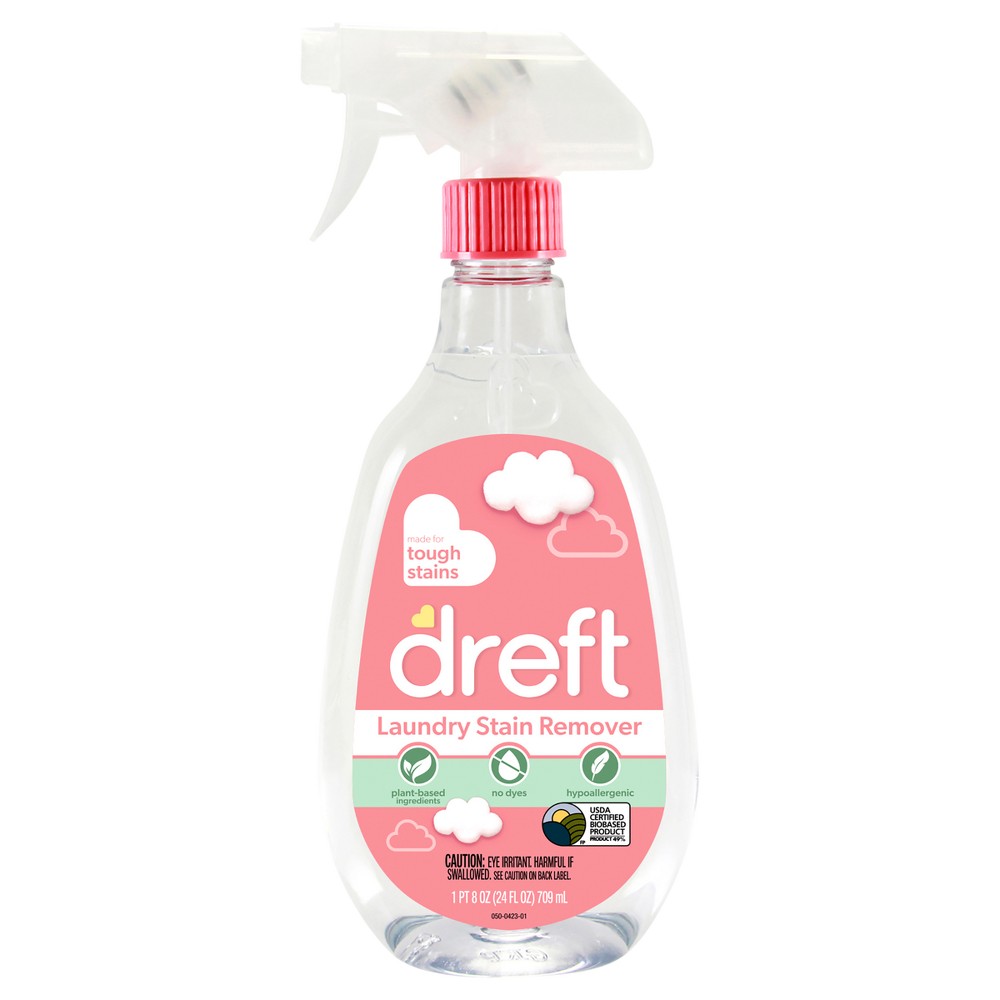
Dreft Laundry Stain Remover - 24 fl oz: Liquid Hypoallergenic, Delicate Fabric Care, No Fragrance Added
Summary
This laundry stain remover is formulated without added fragrances, which is beneficial for those with sensitivities. However, it is a processed product and may contain some synthetic ingredients typical of cleaning agents, which can impact its environmental footprint. The absence of harsh chemicals like SLS or bleach is a positive aspect, contributing to a safer indoor use profile.
At a glance
Key ingredients 11
Aqua / Water
Water is a universal solvent and is used as a base in many cleaning products. It helps dissolve other ingredients and facilitates their application. It is generally considered safe and non-toxic.
Risks
There are no significant risks associated with water in cleaning products.
Benefits
Water is essential for diluting other ingredients and ensuring they are evenly distributed.
Capryleth-4
Capryleth-4 is a surfactant used to help remove dirt and stains. It is derived from caprylic acid, which is a fatty acid found in coconut oil. It is considered mild and effective in cleaning formulations.
Risks
There are minimal risks associated with Capryleth-4, though it may cause mild irritation in sensitive individuals.
Benefits
It is effective in breaking down oils and dirt, enhancing the cleaning power of the product.
Alcohols, C12-18, Ethoxylated
These are ethoxylated alcohols used as surfactants to improve cleaning efficiency. They help in emulsifying oils and dirt, making them easier to wash away. They are commonly used in various cleaning products.
Risks
Ethoxylated alcohols can sometimes contain trace amounts of 1,4-dioxane, a potential carcinogen.
Benefits
They are effective in removing greasy stains and enhancing the overall cleaning performance.
Sodium Lauriminodipropionate
Sodium Lauriminodipropionate is a mild surfactant used for its cleaning and foaming properties. It is often used in formulations for sensitive skin due to its gentle nature. It helps in breaking down and removing dirt and stains.
Risks
There are minimal risks associated with this ingredient, though it may cause mild irritation in very sensitive individuals.
Benefits
It is known for being gentle on skin while still providing effective cleaning action.
Disodium EDTA
Disodium EDTA is a chelating agent used to bind metal ions, which can improve the stability and effectiveness of the product. It helps prevent the degradation of the formula by binding with metal ions that may be present in water. It is commonly used in cleaning products for this purpose.
Risks
Disodium EDTA can cause environmental concerns as it is not readily biodegradable.
Benefits
It enhances the stability and performance of the cleaning product by preventing metal ion interference.
PPG-2 Methyl Ether
PPG-2 Methyl Ether is a solvent used to dissolve other ingredients and improve the spreadability of the product. It is a synthetic compound that helps in the formulation of cleaning products. It is generally considered safe for use in cleaning applications.
Risks
There are minimal risks associated with this ingredient, though it may cause mild irritation if in contact with skin or eyes.
Benefits
It aids in the even distribution of the product, enhancing its cleaning efficiency.
Alcohol (Biobased Ethanol)
Biobased Ethanol is used as a solvent and cleaning agent in formulations. It is derived from renewable resources, making it a more sustainable choice. It helps in dissolving stains and enhancing the cleaning power of the product.
Risks
Ethanol can be drying to the skin and may cause irritation with prolonged exposure.
Benefits
It is effective in breaking down stains and is considered a more environmentally friendly solvent.
Alcohols, C6-12, Ethoxylated
These are ethoxylated alcohols used as surfactants to improve cleaning efficiency. They help in emulsifying oils and dirt, making them easier to wash away. They are commonly used in various cleaning products.
Risks
Ethoxylated alcohols can sometimes contain trace amounts of 1,4-dioxane, a potential carcinogen.
Benefits
They are effective in removing greasy stains and enhancing the overall cleaning performance.
Fragrance
Fragrance is added to cleaning products to provide a pleasant scent. It is a mixture of various aromatic compounds. However, synthetic fragrances can be a source of allergens and irritants.
Risks
Synthetic fragrances can cause allergic reactions and may contain phthalates, which are endocrine disruptors.
Benefits
Fragrance can enhance the user experience by masking unpleasant odors.
Methyl alpha-Ionone Isomers
Methyl alpha-Ionone Isomers are used as fragrance components in cleaning products. They provide a floral scent and are commonly used in perfumery. They are synthetic compounds that enhance the olfactory appeal of the product.
Risks
These compounds can cause allergic reactions in sensitive individuals.
Benefits
They contribute to a pleasant scent, improving the sensory experience of using the product.
Sodium Chloride
Sodium Chloride, or table salt, is used as a thickening agent in cleaning products. It helps to adjust the viscosity of the formulation. It is a natural and safe ingredient commonly used in various applications.
Risks
There are no significant risks associated with sodium chloride in cleaning products.
Benefits
It helps in achieving the desired consistency of the product, ensuring ease of use.
Processing
Processed Foods
Get the full breakdown in the Scout app
Scan any product to see lab results, healthy alternatives, and your personalized analysis.
Download on theApp Store