
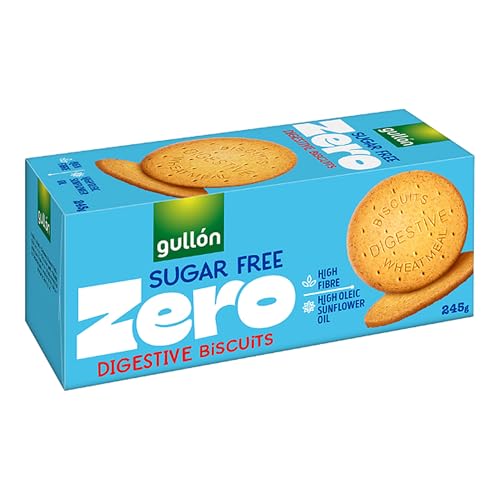


Gullón Biscuits
Analysis updated May 2026 · How Scout scores
At a glance
Summary
This product is heavily processed, containing multiple additives and refined ingredients such as sugar and high oleic sunflower oil, which are associated with health concerns like inflammation. While it includes beneficial whole grain cereals and vegetable fiber, the presence of artificial flavoring and a high level of processing significantly impact its healthiness. The combination of these factors results in a moderate score, reflecting both the positive and negative aspects of its composition.
Key ingredients 12
Whole Grain CerealsGood
Whole grain cereals provide essential nutrients and dietary fiber. They are minimally processed, retaining most of their natural vitamins and minerals. This ingredient supports digestive health and provides sustained energy.
Benefits
Rich in dietary fiber, which aids in digestion and helps maintain healthy blood sugar levels.
Vegetable FiberGood
Vegetable fiber is beneficial for digestive health and helps maintain regular bowel movements. It is often added to foods to increase fiber content without significantly altering taste. This ingredient supports a healthy digestive system.
Benefits
Supports digestive health and helps maintain regular bowel movements.
Corn FlakesNeutral
Corn flakes are a processed cereal product made from milled corn. They are often fortified with vitamins and minerals but can be high in added sugars. While they provide some nutritional value, they are less beneficial than whole grains.
Risks
May contain added sugars and salt, which can contribute to health issues if consumed in excess.
Benefits
Provides some vitamins and minerals, often through fortification.
Puffed RiceNeutral
Puffed rice is a processed form of rice that is light and airy. It is low in calories and provides some carbohydrates. However, it lacks significant nutritional benefits compared to whole grains.
Benefits
Provides a light texture and some carbohydrates for energy.
Red Fruit PreparationNeutral
Red fruit preparation includes a mix of fruits and sweeteners. While it provides some natural fruit content, it is often high in added sugars and processed ingredients. The fruit content offers some vitamins and antioxidants.
Risks
High in added sugars, which can contribute to health issues if consumed in excess.
Benefits
Contains some vitamins and antioxidants from the fruit content.
Raising AgentsNeutral
Raising agents like sodium bicarbonate and ammonium bicarbonate are used to leaven baked goods. They are generally recognized as safe when used in appropriate amounts. These agents help achieve the desired texture in baked products.
Benefits
Helps achieve the desired texture in baked products.
Emulsifier (Soy Lecithin)Neutral
Soy lecithin is a common emulsifier used to stabilize food products. It is derived from soybeans and is generally considered safe. While it helps improve texture and consistency, it does not provide significant nutritional benefits.
Risks
May cause allergic reactions in individuals sensitive to soy.
Benefits
Improves texture and consistency in food products.
SaltNeutral
Salt is used to enhance flavor and preserve food. While essential in small amounts, excessive intake can lead to health issues such as hypertension. It is important to consume salt in moderation.
Risks
Excessive intake can lead to hypertension and cardiovascular issues.
Benefits
Enhances flavor and acts as a preservative.
SugarBad
Sugar is a refined carbohydrate that provides quick energy but lacks essential nutrients. Excessive consumption can lead to health issues such as obesity and diabetes. It is often added to enhance flavor but should be consumed in moderation.
Risks
Excessive consumption can lead to obesity, diabetes, and other metabolic disorders.
Benefits
Provides quick energy but lacks essential nutrients.
Wheat FlourBad
Refined grain flour stripped of bran and germ.
Risks
May contribute to blood sugar spikes if consumed in excess.
Benefits
Provides carbohydrates and some protein for energy.
FlavoringBad
Flavoring is often a catch-all term for various artificial or natural additives used to enhance taste. These can include synthetic chemicals that may not be disclosed individually. The lack of transparency can be concerning for consumers seeking natural ingredients.
Risks
Potential for undisclosed synthetic chemicals that may cause allergic reactions or other health concerns.
Benefits
Enhances the taste of food products.
High Oleic Sunflower OilVery Bad
High oleic sunflower oil is a type of seed oil high in monounsaturated fats. Despite being more stable than regular sunflower oil, it is still a processed seed oil. Seed oils are associated with high omega-6 content, which can promote inflammation.
Risks
High omega-6 content may promote inflammation when consumed in excess.
Benefits
Contains monounsaturated fats that are more stable and less prone to oxidation than polyunsaturated fats.
Processing
Ultra-Processed Foods
Get the full breakdown in the Scout appTake Scout shopping
Scan any product to see lab results, healthy alternatives, and your personalized analysis.
Download on theApp Store GET IT ONGoogle PlayAmazon pricing & content
Amazon price as of . Product prices and availability are accurate as of the date/time indicated and are subject to change. Any price and availability information displayed on Amazon.com at the time of purchase will apply to the purchase of this product.
CERTAIN CONTENT THAT APPEARS ON THIS SITE COMES FROM AMAZON. THIS CONTENT IS PROVIDED “AS IS” AND IS SUBJECT TO CHANGE OR REMOVAL AT ANY TIME.