
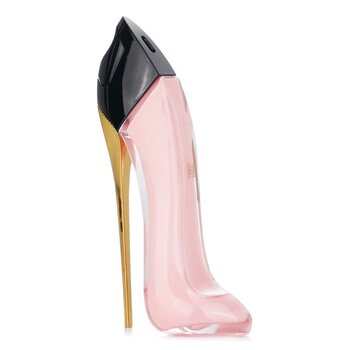


Carolina Herrera Good Girl Blush Eau de Parfum, 1.7 oz.
Summary
This perfume contains several ingredients that are known allergens and can cause skin sensitization, such as hydroxycitronellal, benzyl salicylate, and hexyl cinnamal. Additionally, the presence of alcohol denat. can be drying and irritating to the skin. The use of parfum, a complex mixture of chemicals, adds to the potential for allergic reactions and irritation, impacting the overall safety profile of the product.
At a glance
Key ingredients 16
Alcohol denat.Bad
Alcohol denat. is primarily used as a solvent and can be drying to the skin. It is often denatured to prevent consumption, which involves adding chemicals that can be irritating. This ingredient can disrupt the skin's natural barrier and cause irritation.
Risks
Can cause skin dryness and irritation, especially with prolonged exposure.
Parfum (fragrance)Very Bad
Parfum is a complex mixture of chemicals used to impart scent, often containing allergens and sensitizers. The exact composition is usually proprietary, making it difficult to assess safety. It can cause allergic reactions and skin irritation in sensitive individuals.
Risks
Potential allergen and skin irritant; may cause headaches or respiratory issues.
Aqua (water)Neutral
Aqua is used as a solvent and carrier in cosmetic formulations. It is generally considered safe and non-irritating. The quality of water can vary, but it is typically purified for cosmetic use.
See more about Aqua (water) →HydroxycitronellalBad
Hydroxycitronellal is a fragrance ingredient known for its floral scent, commonly used in perfumes. It is a known allergen and can cause skin sensitization. Its use is regulated due to potential allergenic effects.
Risks
May cause allergic reactions and skin sensitization.
LimoneneNeutral
Limonene is a naturally occurring compound found in citrus oils, used for its pleasant scent. It can oxidize and become a skin sensitizer. It is generally recognized as safe when used in small amounts.
Risks
Oxidized limonene can cause skin irritation and allergic reactions.
Benzyl salicylateBad
Benzyl salicylate is used as a fragrance ingredient and UV light absorber. It is a known allergen and can cause skin sensitization. Its use is restricted in some regions due to potential allergenic effects.
Risks
May cause allergic reactions and skin sensitization.
Butyl methoxydibenzoylmethaneNeutral
Butyl methoxydibenzoylmethane is a chemical sunscreen agent used to absorb UVA rays. It is generally considered safe but can degrade in sunlight, reducing its effectiveness. It is often used in combination with other UV filters to enhance stability.
Risks
May degrade in sunlight, reducing its effectiveness as a sunscreen.
Benefits
Provides protection against UVA radiation, which can prevent skin damage.
LinaloolNeutral
Linalool is a naturally occurring terpene alcohol found in many flowers and spice plants. It is used for its pleasant floral scent. It can oxidize and become a skin sensitizer, though it is generally safe in low concentrations.
Risks
Oxidized linalool can cause skin irritation and allergic reactions.
Hexyl cinnamalBad
Hexyl cinnamal is a fragrance ingredient used for its jasmine-like scent. It is a known allergen and can cause skin sensitization. Its use is regulated due to potential allergenic effects.
Risks
May cause allergic reactions and skin sensitization.
Ylang ylangNeutral
Ylang ylang is an essential oil derived from the flowers of the Cananga tree, used for its floral fragrance. It is generally considered safe but can cause allergic reactions in sensitive individuals. It is often used in aromatherapy for its calming effects.
Risks
May cause allergic reactions in sensitive individuals.
Benefits
Used in aromatherapy for its potential calming and stress-relieving effects.
PeonyNeutral
Peony extract is used for its fragrance and potential skin-soothing properties. It is generally considered safe and non-irritating. It is often included in formulations for its pleasant scent and potential antioxidant benefits.
Benefits
May provide antioxidant benefits and contribute to skin soothing.
VanillaNeutral
Vanilla is used for its sweet, warm fragrance and is derived from vanilla beans. It is generally considered safe and non-irritating. It is often used in perfumery for its comforting and familiar scent.
Benefits
Provides a pleasant fragrance and may have mild antioxidant properties.
BergamotNeutral
Bergamot oil is used for its citrusy fragrance and is derived from the peel of the bergamot orange. It is generally considered safe but can cause photosensitivity. It is often used in aromatherapy for its uplifting scent.
Risks
May cause photosensitivity, increasing the risk of sunburn.
Benefits
Used in aromatherapy for its potential mood-enhancing effects.
Bitter almondNeutral
Bitter almond oil is used for its fragrance and is derived from the seeds of the bitter almond tree. It is generally considered safe in cosmetic formulations. It is often used for its nutty scent and potential skin-softening properties.
Benefits
May provide a pleasant fragrance and contribute to skin softening.
RoseNeutral
Rose extract is used for its fragrance and potential skin benefits, derived from rose petals. It is generally considered safe and non-irritating. It is often included in formulations for its soothing and hydrating properties.
Benefits
May provide soothing and hydrating benefits to the skin.
PatchouliNeutral
Patchouli oil is used for its earthy fragrance and is derived from the leaves of the patchouli plant. It is generally considered safe and non-irritating. It is often used in perfumery for its grounding scent and potential skin benefits.
Benefits
May provide grounding effects in aromatherapy and potential skin benefits.
Processing
Processed Foods
Get the full breakdown in the Scout app
Scan any product to see lab results, healthy alternatives, and your personalized analysis.
Download on theApp Store