
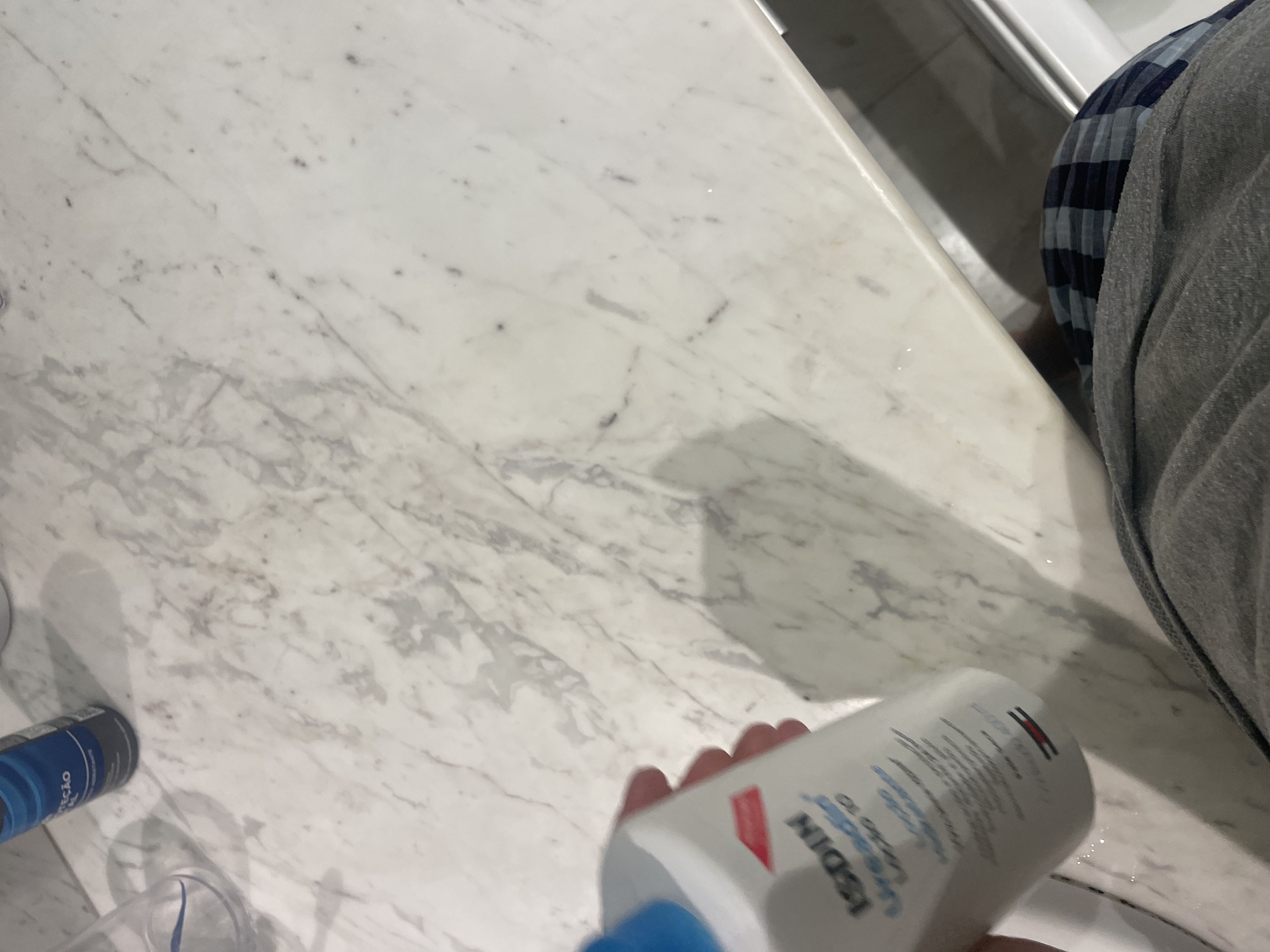
ISDIN Hydration Ureadin Ultra 10 Repairing Lotion Plus 400ml,1000ml
Analysis updated August 2026 · How Scout scores
At a glance
Summary
This lotion contains beneficial ingredients like urea, panthenol, glycerin, and avocado oil, which are known for their moisturizing and skin-soothing properties. However, the presence of PEG-40 stearate and dimethicone indicates a moderate level of processing and the use of synthetic compounds, which slightly lowers its score. The product is generally safe and effective for hydration but does not achieve the highest rating due to these synthetic additives.
Key ingredients 10
UreaVery Good
Urea is a natural moisturizing factor that helps maintain skin hydration. It enhances the skin's barrier function and promotes exfoliation of dead skin cells.
Risks
In rare cases, urea can cause irritation in sensitive skin.
Benefits
Urea effectively hydrates the skin and improves its texture by promoting cell turnover.
PanthenolVery Good
Panthenol is a provitamin of B5 known for its moisturizing and anti-inflammatory properties. It helps improve skin hydration and elasticity.
Risks
Panthenol is generally safe, but in rare cases, it can cause skin irritation.
Benefits
It enhances skin hydration, reduces inflammation, and promotes healing.
Persea Gratissima (Avocado) OilVery Good
Avocado oil is rich in fatty acids and vitamins, providing deep nourishment and hydration to the skin. It is known for its antioxidant and anti-inflammatory properties.
Risks
There are minimal risks, though it can cause allergic reactions in individuals sensitive to avocados.
Benefits
It deeply moisturizes the skin and helps in reducing inflammation and oxidative stress.
GlycerinGood
Glycerin is a humectant that attracts moisture to the skin, helping to keep it hydrated. It is widely used in skincare for its moisturizing properties.
Risks
Glycerin is generally safe, but excessive use can lead to a sticky feel.
Benefits
It effectively hydrates the skin and improves its smoothness and suppleness.
Aqua (Water)Neutral
Water is a common solvent used in cosmetic formulations. It helps dissolve other ingredients and provides a base for the product. It is generally considered safe and non-reactive.
Risks
There are no significant risks associated with water in cosmetics.
Benefits
Water helps in hydrating the skin and acts as a carrier for other beneficial ingredients.
Cetearyl EthylhexanoateNeutral
Cetearyl Ethylhexanoate is an emollient that provides a smooth and soft feel to the skin. It is used to improve the texture and spreadability of cosmetic products.
Risks
There are minimal risks associated with this ingredient, though it can cause mild irritation in very sensitive skin.
Benefits
It helps in moisturizing the skin and enhances the sensory feel of the product.
Glyceryl StearateNeutral
Standard formulation ingredient — neither beneficial nor harmful at typical use.
Risks
There are no significant risks associated with Glyceryl Stearate.
Benefits
It helps in maintaining the stability of the product and provides a smooth feel to the skin.
PEG-40 StearateNeutral
PEG-40 Stearate is an emulsifying agent that helps mix oil and water in formulations. It is commonly used in cosmetics for its stabilizing properties.
Risks
There is a potential risk of contamination with 1,4-dioxane, a byproduct of ethoxylation.
Benefits
It helps in creating stable emulsions and improves the texture of the product.
ShoreaNeutral
Shorea, often derived from the Sal tree, is used for its emollient properties. It helps in moisturizing and softening the skin.
Risks
There are no significant risks associated with Shorea in cosmetics.
Benefits
It provides moisture and improves the texture of the skin.
DimethiconeBad
Occlusive silicone film-former — flagged under clean-beauty doctrine.
Risks
Dimethicone can potentially clog pores in some individuals, leading to breakouts.
Benefits
It helps in smoothing the skin's surface and provides a silky feel.
Processing
Processed Culinary Ingredients
Get the full breakdown in the Scout appTake Scout shopping
Scan any product to see lab results, healthy alternatives, and your personalized analysis.
Download on theApp Store GET IT ONGoogle Play