
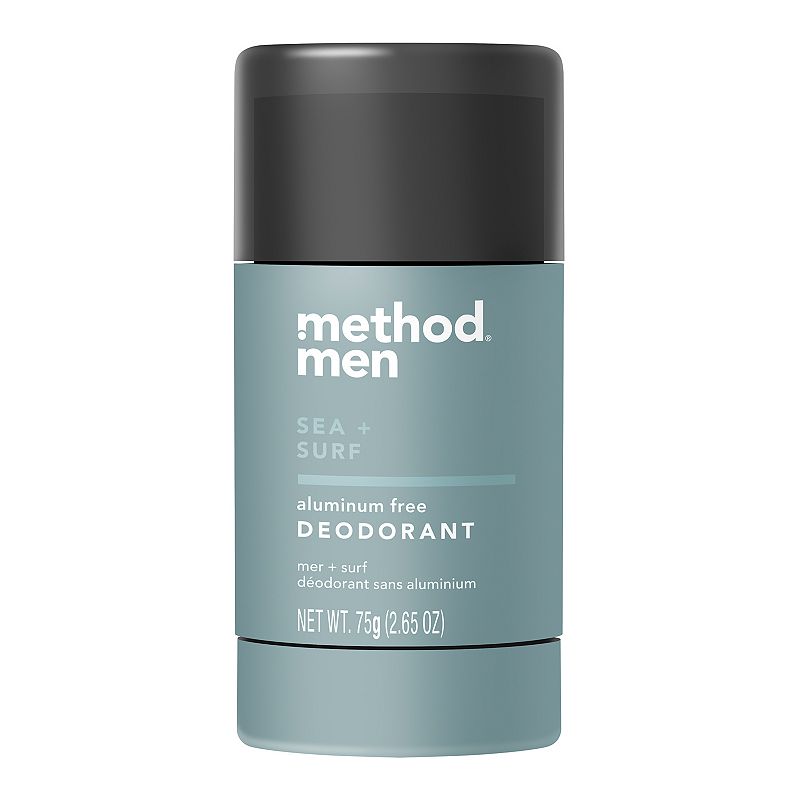


Method Men Aluminum Free Deodorant Sea + Surf 2.65 oz
Analysis updated August 2026 · How Scout scores
At a glance
Summary
This deodorant is aluminum-free and contains beneficial natural ingredients like coconut oil, sodium bicarbonate, and tapioca starch, which contribute to its odor-neutralizing and moisture-absorbing properties. However, the presence of synthetic fragrance, which includes potential allergens like Limonene and Linalool, slightly lowers its score due to concerns about skin irritation and transparency. Despite these concerns, the product remains a healthier option compared to those with aluminum and multiple synthetic additives.
Key ingredients 14
Cocos Nucifera (Coconut) OilGood
Coconut oil is a natural moisturizer that helps nourish the skin. It has antimicrobial properties that can help reduce odor-causing bacteria. It is a popular ingredient in natural deodorants for its skin-soothing benefits.
Risks
Some individuals may experience allergic reactions or skin irritation.
Benefits
It provides hydration and has antibacterial properties that can help in odor control.
Sodium BicarbonateGood
Sodium bicarbonate, or baking soda, is an effective natural odor neutralizer. It works by neutralizing the acids that cause body odor. It is a common ingredient in natural deodorants for its efficacy.
Risks
Can cause skin irritation or rash in some individuals, especially with prolonged use.
Benefits
Highly effective at controlling odor by neutralizing acidic compounds.
Sambucus Nigra (Elder) Fruit ExtractGood
Elder fruit extract is rich in antioxidants and has anti-inflammatory properties. It is used in cosmetics for its skin-soothing and protective benefits. It is a natural ingredient that can enhance the product's appeal.
Risks
Generally safe, but may cause irritation in very sensitive skin.
Benefits
Provides antioxidant benefits and helps soothe the skin.
Salvia Officinalis (Sage) OilGood
Sage oil is known for its antimicrobial and astringent properties. It helps in reducing sweat and controlling odor naturally. It is a beneficial ingredient in deodorants for its natural efficacy.
Risks
Can cause skin irritation or allergic reactions in sensitive individuals.
Benefits
Helps in controlling odor and reducing sweat naturally.
Helianthus Annuus (Sunflower) Seed WaxNeutral
Sunflower seed wax is used as a thickening agent in cosmetic formulations. It helps in providing a smooth application of the product. It is derived from sunflower seeds and is considered a natural ingredient.
Risks
Generally considered safe, but may cause irritation in sensitive individuals.
Benefits
It helps in improving the texture and application of the deodorant.
Tapioca StarchNeutral
Standard formulation ingredient — neither beneficial nor harmful at typical use.
Risks
Generally safe, but excessive use may lead to skin dryness.
Benefits
Helps in absorbing moisture and keeping the skin dry.
Caprylic/Capric TriglycerideNeutral
Caprylic/Capric Triglyceride is an emollient derived from coconut oil and glycerin. It helps in spreading the product evenly and provides a silky feel. It is commonly used in cosmetics for its skin-conditioning properties.
Risks
Rarely, it may cause skin irritation or allergic reactions.
Benefits
Improves the texture and spreadability of the product.
Coco-CaprylateNeutral
Coco-Caprylate is a skin-conditioning agent derived from coconut oil. It provides a light, non-greasy feel to the product. It is used to enhance the spreadability and absorption of the product.
Risks
Generally considered safe, but may cause irritation in sensitive skin.
Benefits
Contributes to a smooth application and enhances skin feel.
Triethyl CitrateNeutral
Triethyl Citrate is used as a deodorizing agent. It helps in controlling odor by inhibiting the enzymatic breakdown of sweat. It is a common ingredient in deodorants for its effectiveness.
Risks
May cause skin irritation in some individuals.
Benefits
Helps in reducing body odor by preventing the breakdown of sweat.
Glyceryl LaurateNeutral
Glyceryl Laurate is an emulsifier and surfactant that helps blend ingredients. It has mild antimicrobial properties that can aid in odor control. It is derived from glycerin and lauric acid, often considered safe for use.
Risks
May cause skin irritation in sensitive individuals.
Benefits
Helps in stabilizing the formulation and provides mild antimicrobial effects.
Glyceryl CaprylateNeutral
Glyceryl Caprylate is used as an emulsifier and skin-conditioning agent. It has antimicrobial properties that can help in preserving the product. It is derived from glycerin and caprylic acid, considered safe for use.
Risks
May cause skin irritation in some individuals.
Benefits
Contributes to product stability and provides mild antimicrobial effects.
Sodium Caproyl/Lauroyl LactylateNeutral
Sodium Caproyl/Lauroyl Lactylate is used as an emulsifier and mild surfactant. It helps in blending ingredients and improving product texture. It is derived from natural sources and is generally considered safe.
Risks
May cause skin irritation in sensitive individuals.
Benefits
Improves product texture and stability.
Undecylenic GlyceridesNeutral
Undecylenic Glycerides are used for their antimicrobial properties. They help in preserving the product and controlling odor. Derived from castor oil, they are considered safe for use in cosmetics.
Risks
May cause skin irritation in some individuals.
Benefits
Provides antimicrobial benefits and helps in odor control.
Fragrance (Perfume: Benzyl Salicylate, Hexyl Cinnamal, Limonene, Linalool)Bad
Fragrance blends often contain synthetic compounds that can cause skin irritation and allergic reactions. Ingredients like Limonene and Linalool are known allergens. Synthetic fragrances are often criticized for their lack of transparency and potential health risks.
Risks
Potential for skin irritation, allergic reactions, and respiratory issues.
Benefits
Provides a pleasant scent to the product.
Get the full breakdown in the Scout appTake Scout shopping
Scan any product to see lab results, healthy alternatives, and your personalized analysis.
Download on theApp Store GET IT ONGoogle PlayAmazon pricing & content
Amazon price as of . Product prices and availability are accurate as of the date/time indicated and are subject to change. Any price and availability information displayed on Amazon.com at the time of purchase will apply to the purchase of this product.
CERTAIN CONTENT THAT APPEARS ON THIS SITE COMES FROM AMAZON. THIS CONTENT IS PROVIDED “AS IS” AND IS SUBJECT TO CHANGE OR REMOVAL AT ANY TIME.