

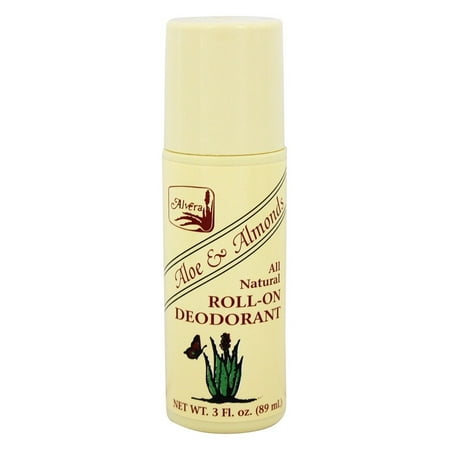

Dr Organic Aloe Vera Deodorant. Unbranded. Huge Saving
Analysis updated August 2026 · How Scout scores
At a glance
Summary
This deodorant is aluminum-free and contains beneficial ingredients like aloe vera, zinc ricinoleate, and sodium bicarbonate, which are known for their soothing and odor-neutralizing properties. However, the presence of synthetic fragrance (parfum) is a drawback, as it can cause skin irritation and may contain phthalates. The product is moderately processed, which also affects its overall rating.
Key ingredients 7
Aloe Barbadensis Leaf JuiceVery Good
Aloe vera is known for its soothing and moisturizing properties. It is often used to calm irritated skin and provide hydration. Its organic nature makes it a beneficial addition to personal care products.
Risks
There are minimal risks associated with aloe vera, though some individuals may experience allergic reactions.
Benefits
Aloe vera can help soothe skin irritation and provide moisture, making it ideal for sensitive skin.
Zinc RicinoleateGood
Zinc ricinoleate is effective in trapping and absorbing odor molecules. It is a common ingredient in deodorants for its odor-neutralizing properties. It does not block pores, making it a skin-friendly option.
Risks
There are no significant risks associated with zinc ricinoleate, though it may not be effective for everyone.
Benefits
It helps neutralize body odor without blocking sweat glands, maintaining natural skin function.
Sodium BicarbonateGood
Sodium bicarbonate, or baking soda, is a natural odor neutralizer. It helps maintain a neutral pH, which can reduce the growth of odor-causing bacteria. It is a popular choice in natural deodorants.
Risks
Some individuals may experience skin irritation or sensitivity to baking soda.
Benefits
It effectively neutralizes odors and is a natural alternative to synthetic deodorant ingredients.
GlycerinGood
Glycerin is a humectant that attracts moisture to the skin, helping to keep it hydrated. It is commonly used in skincare products for its moisturizing properties. It is generally well-tolerated by most skin types.
Risks
There are minimal risks, though excessive use can lead to a sticky feeling on the skin.
Benefits
Glycerin helps maintain skin hydration and softness, enhancing the overall feel of the product.
Helianthus Annuus (Sunflower) Seed OilGood
Sunflower seed oil is rich in vitamin E and fatty acids, which nourish and protect the skin. It is a lightweight oil that is easily absorbed, making it suitable for various skin types. Its natural origin is a positive aspect.
Risks
There are minimal risks, though it may cause allergic reactions in individuals sensitive to sunflower seeds.
Benefits
It provides nourishment and helps maintain skin barrier function, contributing to overall skin health.
TocopherolGood
Tocopherol, or vitamin E, is an antioxidant that helps protect the skin from oxidative stress. It is commonly used in skincare for its protective and moisturizing properties. Its presence in the formula enhances the product's skin benefits.
Risks
There are minimal risks, though high concentrations can cause skin irritation in sensitive individuals.
Benefits
It helps protect the skin from environmental damage and supports skin health.
ParfumBad
Parfum, or fragrance, is often a blend of synthetic chemicals that can cause skin irritation and allergic reactions. It is a common allergen and can contain phthalates, which are linked to health concerns. Its presence in personal care products is often viewed negatively.
Risks
Fragrances can cause skin irritation, allergic reactions, and may contain harmful chemicals like phthalates.
Benefits
It provides a pleasant scent to the product, enhancing user experience.
Get the full breakdown in the Scout appTake Scout shopping
Scan any product to see lab results, healthy alternatives, and your personalized analysis.
Download on theApp Store GET IT ONGoogle PlayAmazon pricing & content
Amazon price as of . Product prices and availability are accurate as of the date/time indicated and are subject to change. Any price and availability information displayed on Amazon.com at the time of purchase will apply to the purchase of this product.
CERTAIN CONTENT THAT APPEARS ON THIS SITE COMES FROM AMAZON. THIS CONTENT IS PROVIDED “AS IS” AND IS SUBJECT TO CHANGE OR REMOVAL AT ANY TIME.