
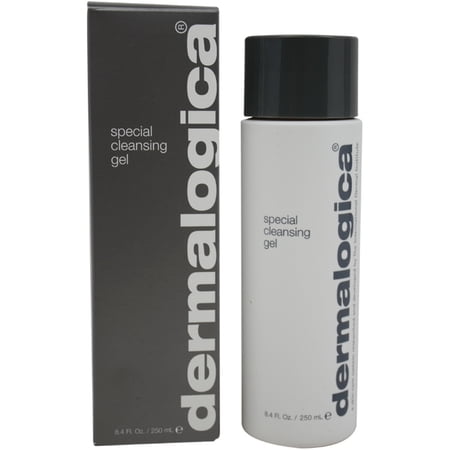
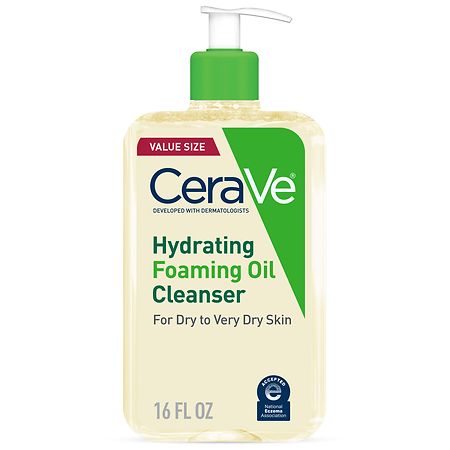
Dermalogica Special Cleansing Gel Cleanser 8.4 oz
Summary
This face wash contains some synthetic ingredients, including sodium laureth sulfate, which poses a contamination risk. However, it also includes beneficial components like botanicals and skin-friendly actives. The product is moderately processed, which affects its overall rating, but it avoids the most harmful chemicals found in lower-scoring products.
At a glance
Key ingredients 21
Disodium Laureth SulfosuccinateNeutral
Disodium Laureth Sulfosuccinate is a mild surfactant used for its cleansing properties. It is less irritating than traditional sulfates like SLS. It helps to create a lather and remove dirt and oil from the skin.
Risks
There is a low risk of skin irritation, especially for sensitive skin types.
Benefits
It provides effective cleansing without the harshness of stronger sulfates.
Sodium Lauroyl SarcosinateNeutral
Sodium Lauroyl Sarcosinate is a mild surfactant derived from sarcosine, an amino acid. It is used for its ability to cleanse the skin gently. It is often used in products for sensitive skin due to its mild nature.
Risks
May cause mild irritation in very sensitive individuals.
Benefits
It is known for being gentle and less likely to strip the skin of natural oils.
Quillaja Saponaria Bark Extract
Quillaja Saponaria Bark Extract is a natural surfactant derived from the soapbark tree. It is used for its foaming and cleansing properties. It is considered a natural and gentle alternative to synthetic surfactants.
Risks
Rarely, it may cause allergic reactions in sensitive individuals.
Benefits
It is valued for its natural origin and gentle cleansing action.
Lavandula Angustifolia (Lavender) Oil
Lavender oil is known for its soothing and calming properties. It is often used in skincare for its potential to reduce redness and irritation. It also provides a pleasant fragrance.
Risks
Potential for skin irritation or allergic reaction in sensitive individuals.
Benefits
It can help soothe the skin and provide a calming effect.
Melissa Officinalis Leaf Extract
Melissa Officinalis Leaf Extract, also known as lemon balm, is used for its soothing and anti-inflammatory properties. It is beneficial in calming irritated skin. It also has antioxidant properties that can protect the skin.
Risks
May cause mild irritation in very sensitive skin.
Benefits
It is known for its calming and protective effects on the skin.
Citrus Limon (Lemon) Peel Oil
Lemon peel oil is used for its refreshing scent and potential astringent properties. It can help to brighten the skin and reduce excess oil. It is also known for its antimicrobial properties.
Risks
Can increase photosensitivity, leading to a higher risk of sunburn.
Benefits
It provides a refreshing scent and can help control oiliness.
Citrus Aurantium Bergamia (Bergamot) Fruit Oil
Bergamot oil is used for its uplifting scent and potential antiseptic properties. It can help to cleanse the skin and provide a refreshing aroma. It is also known for its mood-enhancing effects.
Risks
May cause photosensitivity, increasing the risk of sunburn.
Benefits
It offers a pleasant fragrance and can help cleanse the skin.
Cymbopogon Nardus (Citronella) Oil
Citronella oil is known for its insect-repelling properties and fresh scent. It is used in skincare for its potential to reduce oiliness and provide a refreshing aroma. It also has antimicrobial properties.
Risks
Can cause skin irritation in sensitive individuals.
Benefits
It provides a fresh scent and can help control oiliness.
Glycerin
Glycerin is a humectant that attracts moisture to the skin. It is widely used in skincare for its hydrating properties. It helps to maintain the skin's moisture balance.
Risks
Generally considered safe with minimal risk of irritation.
Benefits
It is highly effective at keeping the skin hydrated and soft.
Cocamidopropyl BetaineNeutral
Cocamidopropyl Betaine is a mild surfactant derived from coconut oil. It is used to enhance the foaming and cleansing properties of products. It is considered less irritating than traditional sulfates.
Risks
May cause irritation or allergic reactions in some individuals.
Benefits
It provides gentle cleansing and foaming action.
Coco-BetaineNeutral
Coco-Betaine is a surfactant derived from coconut oil. It is used for its ability to create foam and cleanse the skin. It is considered mild and suitable for sensitive skin.
Risks
Potential for mild irritation in sensitive individuals.
Benefits
It offers gentle cleansing and foaming properties.
HydroxyethylcelluloseNeutral
Hydroxyethylcellulose is a thickening agent used to improve the texture of products. It helps to stabilize formulations and provide a smooth application. It is derived from cellulose, a natural polymer.
Risks
Generally considered safe with minimal risk of irritation.
Benefits
It enhances the texture and stability of skincare products.
Sodium Cocoyl IsethionateNeutral
Sodium Cocoyl Isethionate is a mild surfactant derived from coconut oil. It is used for its gentle cleansing properties and ability to create a creamy lather. It is often used in products for sensitive skin.
Risks
May cause mild irritation in very sensitive skin.
Benefits
It provides effective cleansing without stripping natural oils.
Capryloyl GlycineNeutral
Capryloyl Glycine is an amino acid derivative used for its antimicrobial properties. It helps to maintain the skin's natural balance and reduce excess oil. It is often used in formulations for oily or acne-prone skin.
Risks
Generally considered safe with minimal risk of irritation.
Benefits
It helps to control oiliness and maintain skin balance.
Sodium Lauryl SulfoacetateNeutral
Sodium Lauryl Sulfoacetate is a mild surfactant used for its cleansing and foaming properties. It is considered less irritating than traditional sulfates like SLS. It is often used in products for sensitive skin.
Risks
May cause mild irritation in sensitive individuals.
Benefits
It provides effective cleansing with a gentle touch.
MethylpropanediolNeutral
Methylpropanediol is a solvent and penetration enhancer used in skincare formulations. It helps to improve the absorption of active ingredients. It also provides a smooth texture to products.
Risks
Generally considered safe with minimal risk of irritation.
Benefits
It enhances the effectiveness of active ingredients in formulations.
EthylhexylglycerinNeutral
Ethylhexylglycerin is a preservative and skin-conditioning agent. It is used to enhance the efficacy of preservatives and improve skin feel. It is considered a safe alternative to parabens.
Risks
Generally considered safe with minimal risk of irritation.
Benefits
It helps to preserve formulations and improve skin texture.
Caprylhydroxamic AcidNeutral
Caprylhydroxamic Acid is a preservative used to prevent microbial growth in formulations. It is often used in combination with other preservatives for broad-spectrum protection. It is considered a safe and effective alternative to traditional preservatives.
Risks
Generally considered safe with minimal risk of irritation.
Benefits
It helps to ensure the safety and longevity of skincare products.
PPG-5-Ceteth-20Neutral
PPG-5-Ceteth-20 is an emulsifier used to stabilize formulations and improve texture. It helps to blend oil and water-based ingredients. It is commonly used in skincare products for its emulsifying properties.
Risks
Generally considered safe with minimal risk of irritation.
Benefits
It enhances the stability and texture of formulations.
Sodium HydroxideNeutral
Sodium Hydroxide is used to adjust the pH of formulations. It is a strong base that helps to neutralize acidic ingredients. It is used in small amounts to ensure product stability.
Risks
In high concentrations, it can be irritating to the skin.
Benefits
It helps to maintain the desired pH balance in formulations.
Disodium EDTANeutral
Disodium EDTA is a chelating agent used to improve the stability of formulations. It binds to metal ions to prevent them from affecting product stability. It is commonly used in skincare products to enhance shelf life.
Risks
Generally considered safe with minimal risk of irritation.
Benefits
It helps to stabilize formulations and extend shelf life.
Processing
Processed Foods
Get the full breakdown in the Scout app
Scan any product to see lab results, healthy alternatives, and your personalized analysis.
Download on theApp Store