
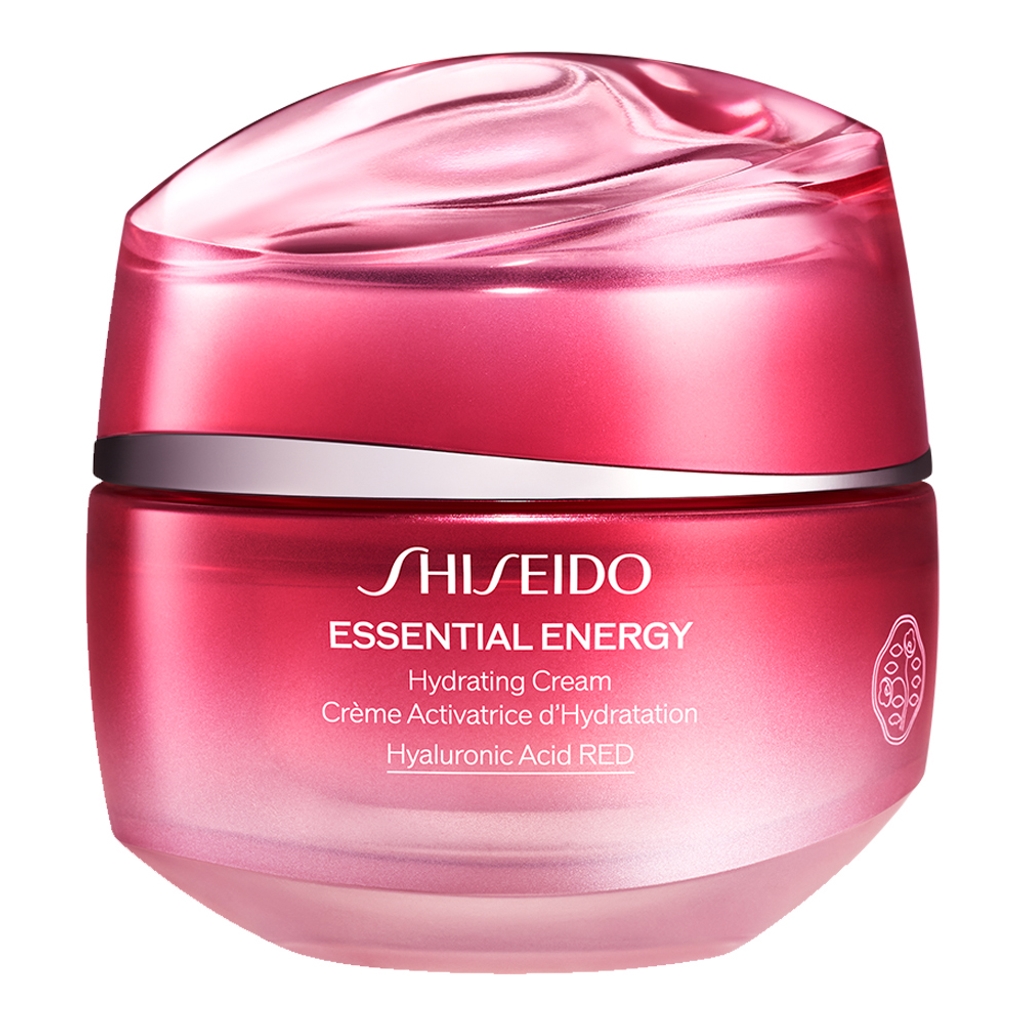

1.7 oz Essential Energy Hydrating Cream Tester for Women
Summary
This moisturizer contains a mix of natural and synthetic ingredients. It includes beneficial skin actives like hyaluronic acid and niacinamide, which are known for their hydrating and skin-repairing properties. However, the presence of synthetic fragrance and other minor synthetic emulsifiers slightly lowers its score due to potential skin irritation and contamination risks.
At a glance
Key ingredients 6
Dimethicone
Dimethicone is a type of silicone used in cosmetics for its smoothing and moisturizing properties. It forms a barrier on the skin that helps retain moisture. It is generally considered safe and non-irritating.
Risks
There is a potential for buildup on the skin, which may cause irritation in sensitive individuals.
Benefits
It provides a silky texture and helps to fill in fine lines and wrinkles, improving the appearance of the skin.
Glycerin
Glycerin is a humectant that attracts moisture to the skin, making it a common ingredient in moisturizers. It helps to maintain the skin's water balance on an intercellular level. It is well-tolerated by most skin types.
Risks
In rare cases, glycerin can cause irritation or allergic reactions.
Benefits
It effectively hydrates the skin, leaving it soft and supple.
Phenoxyethanol
Phenoxyethanol is a preservative used in cosmetics to prevent the growth of bacteria and mold. It is considered a safer alternative to parabens. However, it can be a mild irritant for some individuals.
Risks
Potential risks include skin irritation and allergic reactions, especially in sensitive skin.
Benefits
It helps extend the shelf life of products by preventing microbial contamination.
Alpha-Tocopherol
Alpha-Tocopherol is a form of Vitamin E, a powerful antioxidant that helps protect the skin from free radical damage. It is often used in skincare for its moisturizing and healing properties. It is generally safe for most skin types.
Risks
High concentrations may cause skin irritation or allergic reactions in sensitive individuals.
Benefits
It supports skin health by providing antioxidant protection and improving moisture retention.
Hyaluronate Sodium
Hyaluronate Sodium, or Sodium Hyaluronate, is a salt form of Hyaluronic Acid that is used for its excellent moisture-binding properties. It can hold up to 1000 times its weight in water, making it an effective hydrating agent. It is suitable for all skin types.
Risks
There are minimal risks associated with its use, though overuse may lead to temporary skin tightness.
Benefits
It deeply hydrates the skin, improving elasticity and reducing the appearance of fine lines.
Butylated Hydroxytoluene
Butylated Hydroxytoluene (BHT) is an antioxidant used to prevent the oxidation of oils and fats in cosmetics. It helps maintain product stability and extend shelf life. However, it is a controversial ingredient due to potential health concerns.
Risks
BHT may cause skin irritation and has been linked to potential endocrine disruption.
Benefits
It helps protect the product from degradation, ensuring its efficacy over time.
Processing
Processed Foods
Get the full breakdown in the Scout app
Scan any product to see lab results, healthy alternatives, and your personalized analysis.
Download on theApp Store