
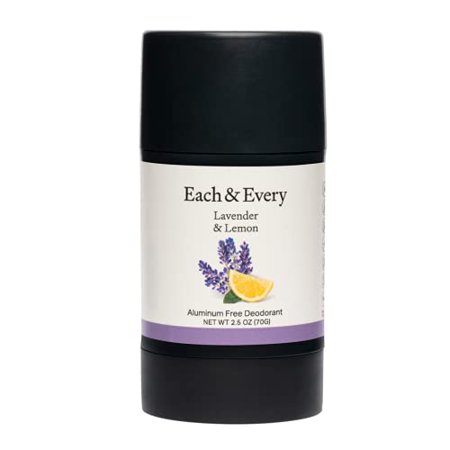
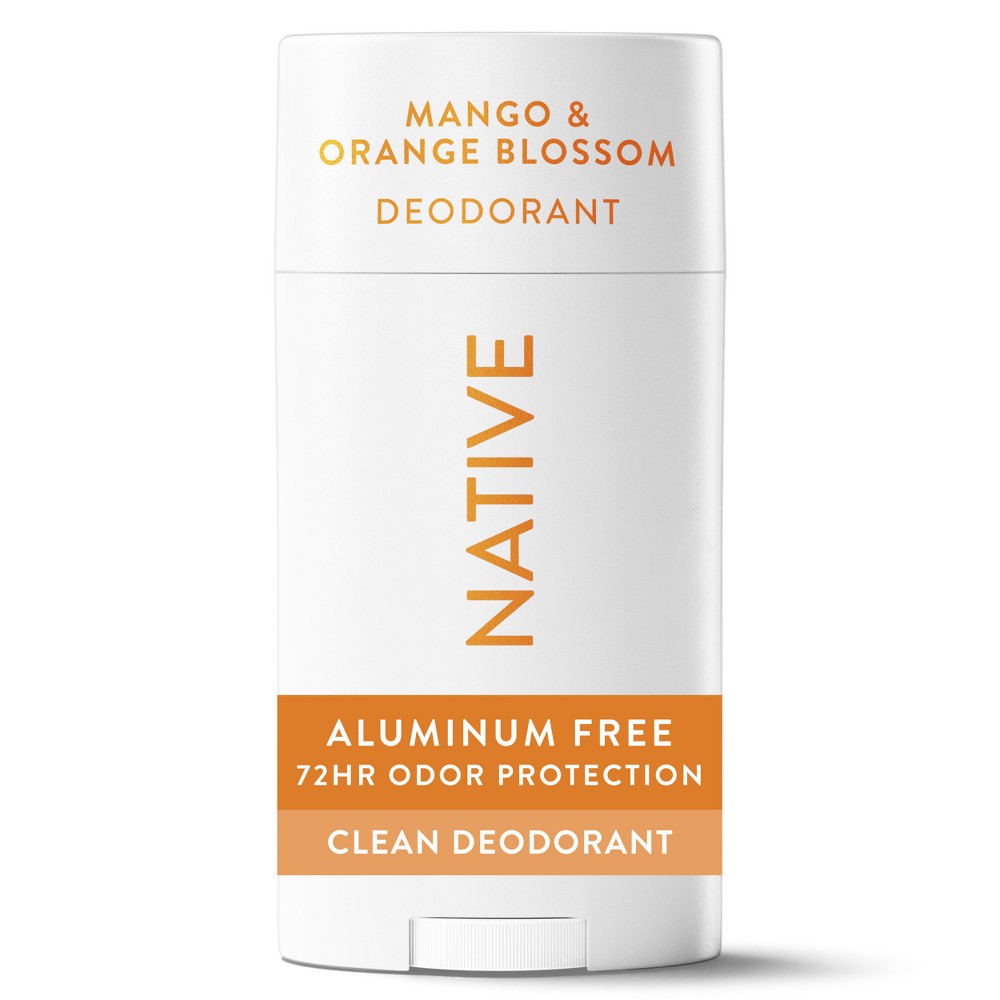
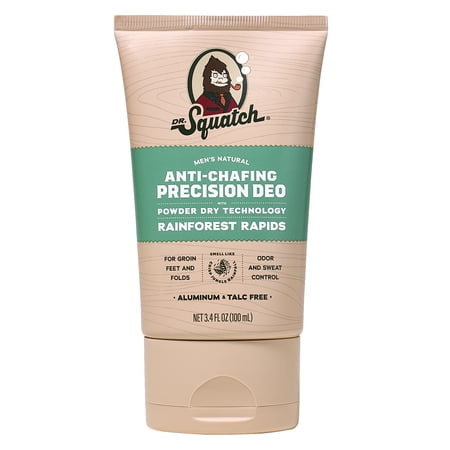
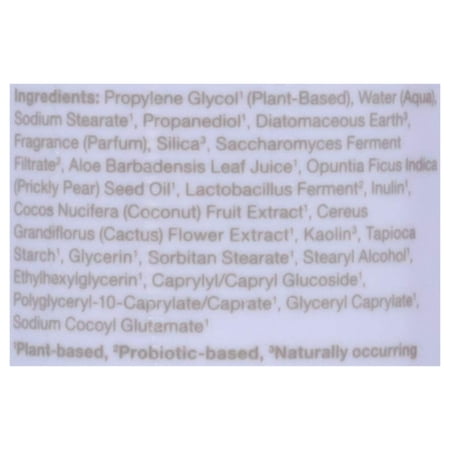
Each & Every Natural Aluminum-Free Deodorant for Sensitive Skin with Essential Oils Plant-Based Packaging Lavender & Lemon 2.5 Oz.
Analysis updated June 2026 · How Scout scores
At a glance
Summary
This deodorant is aluminum-free and utilizes natural ingredients like magnesium hydroxide and tapioca starch, which are effective for odor control without harmful additives. The inclusion of essential oils such as lavender and lemon provides a pleasant scent without synthetic fragrances. The product is processed, but the clean ingredient list and absence of synthetic chemicals contribute to its high rating.
Key ingredients 8
Magnesium HydroxideVery Good
Magnesium hydroxide acts as a natural odor neutralizer, helping to keep you fresh without harsh chemicals.
See more about Magnesium Hydroxide →Caprylic/Capric TriglycerideGood
This ingredient is derived from coconut oil and glycerin, providing a lightweight, moisturizing base that is gentle on the skin.
See more about Caprylic/Capric Triglyceride →Lavandula Angustifolia OilGood
Lavender oil provides a pleasant scent and has calming properties, making it suitable for sensitive skin.
See more about Lavandula Angustifolia Oil →Magnesium CarbonateGood
Magnesium carbonate helps absorb moisture and control odor naturally, supporting skin comfort.
See more about Magnesium Carbonate →Lavandula Hybrida OilGood
Lavender hybrid oil offers a gentle fragrance and soothing qualities, ideal for sensitive skin types.
See more about Lavandula Hybrida Oil →Citrus Limon Peel OilGood
Lemon peel oil provides a fresh scent and natural antimicrobial properties, enhancing deodorant effectiveness.
Tapioca StarchNeutral
Standard formulation ingredient — neither beneficial nor harmful at typical use.
See more about Tapioca Starch →OzokeriteNeutral
Ozokerite is a mineral wax used to give the deodorant structure; it is inert and generally considered safe but does not provide beneficial effects.
See more about Ozokerite →Processing
Processed Foods
Get the full breakdown in the Scout appTake Scout shopping
Scan any product to see lab results, healthy alternatives, and your personalized analysis.
Download on theApp Store GET IT ONGoogle PlayAmazon pricing & content
Amazon price as of . Product prices and availability are accurate as of the date/time indicated and are subject to change. Any price and availability information displayed on Amazon.com at the time of purchase will apply to the purchase of this product.
CERTAIN CONTENT THAT APPEARS ON THIS SITE COMES FROM AMAZON. THIS CONTENT IS PROVIDED “AS IS” AND IS SUBJECT TO CHANGE OR REMOVAL AT ANY TIME.