
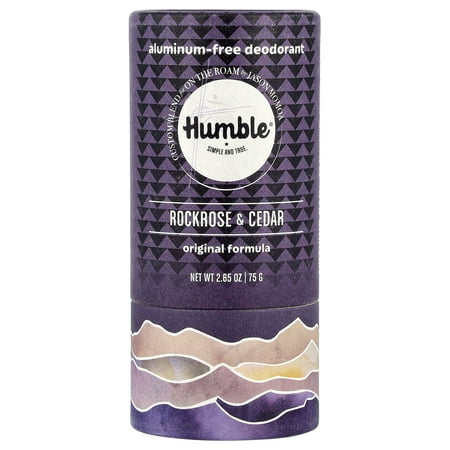
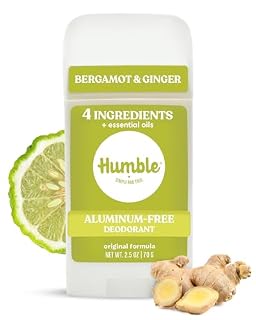
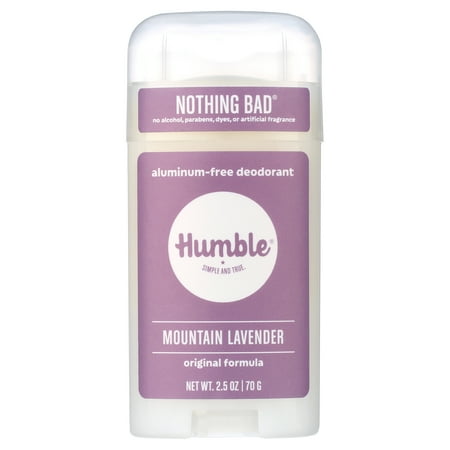
Humble Brands Aluminum-Free Deodorant Rockrose & Cedar 2.65 oz (75 g)

83 Good
$14.38 · 2.65 oz
View on Amazon
Verified Amazon match

Summary

This deodorant is aluminum-free and composed of natural ingredients such as baking soda, beeswax, and magnesium hydroxide, which are known for their safety and effectiveness in odor control. The product avoids synthetic chemicals and relies on naturally derived components, contributing to its high rating. Despite being processed, the clean ingredient list supports a favorable score.

At a glance

Beneficial ingredients 0
Harmful ingredients 0
Category Deodorant

Key ingredients 12

Caprylic/capric triglyceride (MCT)

Caprylic/capric triglyceride is a mixed triester derived from coconut oil and glycerin. It is used for its emollient properties, providing a smooth application. It is considered safe and non-irritating for most skin types.

Risks

There are minimal risks associated with this ingredient, primarily limited to rare allergic reactions.

Benefits

It helps to moisturize and soften the skin, enhancing the overall feel of the product.

Zea mays (corn) starch

Corn starch is a natural absorbent, often used to absorb moisture and reduce friction. It is a common alternative to talc in personal care products.

Risks

There is a low risk of irritation or allergic reaction, especially in individuals with corn allergies.

Benefits

It effectively absorbs moisture, helping to keep the skin dry and comfortable.

See more about Zea mays (corn) starch →
Sodium bicarbonate (baking soda)

Sodium bicarbonate is a natural deodorizer that neutralizes odors by balancing pH levels. It is widely used in natural deodorants for its effectiveness.

Risks

Some individuals may experience skin irritation or sensitivity, especially with prolonged use.

Benefits

It provides effective odor control, making it a popular choice in natural deodorant formulations.

See more about Sodium bicarbonate (baking soda) →
Cera alba (beeswax)

Beeswax is a natural wax produced by honeybees, used for its emollient and thickening properties. It helps to form a protective barrier on the skin.

Risks

There is a minimal risk of allergic reactions, particularly in individuals with bee product allergies.

Benefits

It locks in moisture and provides a smooth application, enhancing the product's texture.

See more about Cera alba (beeswax) →
Magnesium hydroxide

Magnesium hydroxide is a gentle mineral used to neutralize odors without blocking pores. It is a preferred alternative to aluminum compounds in deodorants.

Risks

It is generally considered safe with a low risk of irritation.

Benefits

It effectively neutralizes odor while being gentle on the skin, making it suitable for sensitive skin types.

See more about Magnesium hydroxide →
Euphorbia cerifera (candelilla) wax

Candelilla wax is a plant-based wax used as a vegan alternative to beeswax. It provides a smooth texture and helps to stabilize formulations.

Risks

There are minimal risks associated with this ingredient, primarily limited to rare allergic reactions.

Benefits

It contributes to the product's consistency and provides a protective barrier on the skin.

See more about Euphorbia cerifera (candelilla) wax →
Citrus aurantium bergamia (bergamot) peel oil

Bergamot peel oil is an essential oil known for its refreshing scent and potential antibacterial properties. It is often used for fragrance in personal care products.

Risks

There is a risk of photosensitivity, especially if the oil is not properly processed to remove bergapten.

Benefits

It provides a pleasant citrus scent and may offer mild antibacterial benefits.

Zingiber officinale (ginger) root oil

Ginger root oil is an essential oil with a warm, spicy aroma and potential anti-inflammatory properties. It is used for fragrance and its soothing effects.

Risks

There is a low risk of skin irritation or allergic reactions, particularly in sensitive individuals.

Benefits

It adds a warm scent and may help soothe the skin.

Limonene

Limonene is a naturally occurring compound found in citrus oils, used for its fragrance and potential antioxidant properties. It is commonly used in personal care products.

Risks

It can cause skin irritation or allergic reactions in sensitive individuals, especially if oxidized.

Benefits

It provides a fresh citrus scent and may offer antioxidant benefits.

See more about Limonene →
Linalool

Linalool is a naturally occurring terpene alcohol found in many flowers and spice plants, used for its pleasant floral scent. It is a common fragrance ingredient.

Risks

There is a risk of skin irritation or allergic reactions, particularly in sensitive individuals.

Benefits

It contributes a floral scent and may have calming effects.

See more about Linalool →
Citral

Citral is a naturally occurring compound found in the oils of several plants, used for its strong lemon scent. It is often used in fragrances and flavorings.

Risks

It can cause skin irritation or allergic reactions in some individuals.

Benefits

It provides a strong lemon scent and may have antimicrobial properties.

See more about Citral →
Geraniol

Geraniol is a naturally occurring monoterpenoid and alcohol, used for its rose-like scent. It is commonly used in perfumes and personal care products.

Risks

There is a risk of skin irritation or allergic reactions, particularly in sensitive individuals.

Benefits

It adds a pleasant floral scent and may have insect-repelling properties.

See more about Geraniol →

Processing

Group 3 · Processed

Processed Foods

Get the full breakdown in the Scout app

Scan any product to see lab results, healthy alternatives, and your personalized analysis.

Download on theApp Store