
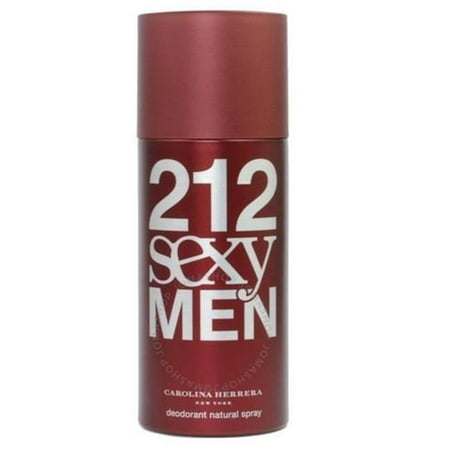

Carolina Herrera 212 Sexy Men Deodorant Spray, 5 Oz
Analysis updated August 2026 · How Scout scores
At a glance
Summary
This deodorant spray features a blend of natural ingredients such as grapefruit, ginger, and sandalwood, which are generally considered safe and non-toxic. The absence of aluminum and synthetic chemicals like parabens, phthalates, and synthetic fragrances contributes to its high score. However, the presence of fragrance components, even if naturally derived, can sometimes be a concern for sensitive individuals.
Key ingredients 15
VanillaGood
Beneficial ingredient — whole-food or functional value in this product class.
Risks
Vanilla poses minimal risk in topical applications.
Benefits
Vanilla provides a sweet, comforting aroma.
GrapefruitNeutral
Grapefruit is often used for its fresh scent in personal care products. It does not have significant deodorant properties. Its primary role is to enhance fragrance.
Risks
There are no significant risks associated with grapefruit in deodorants.
Benefits
Grapefruit provides a refreshing citrus aroma.
GingerNeutral
Ginger is included for its warm, spicy scent. It does not contribute to odor control or antiperspirant effects. Its role is primarily aromatic.
Risks
Ginger poses minimal risk in topical applications.
Benefits
Ginger adds a warm, spicy note to the fragrance profile.
MandarinNeutral
Mandarin is used for its sweet citrus scent. It does not have active deodorizing properties. Its inclusion is mainly for fragrance enhancement.
Risks
Mandarin oil can cause skin irritation in sensitive individuals.
Benefits
Mandarin provides a sweet, uplifting citrus aroma.
SandalwoodNeutral
Sandalwood is valued for its woody, calming scent. It does not have inherent deodorant properties. Its primary function is to enhance fragrance.
Risks
Sandalwood oil can cause allergic reactions in some people.
Benefits
Sandalwood offers a soothing, woody fragrance.
MuskNeutral
Musk is used for its deep, long-lasting scent. It does not contribute to odor control. Its role is primarily to provide a base note in the fragrance.
Risks
Synthetic musks can accumulate in the environment and in human tissue.
Benefits
Musk provides a rich, enduring fragrance.
BergamotNeutral
Bergamot is included for its fresh, citrusy scent. It does not have deodorizing properties. Its main purpose is to enhance the fragrance profile.
Risks
Bergamot oil can increase skin sensitivity to sunlight.
Benefits
Bergamot offers a refreshing citrus aroma.
Green LeavesNeutral
Green leaves are used for their fresh, natural scent. They do not have active deodorant properties. Their inclusion is primarily for fragrance.
Risks
There are no significant risks associated with green leaves in deodorants.
Benefits
Green leaves provide a fresh, natural aroma.
Mandarin OrangeNeutral
Mandarin orange is used for its sweet, citrus scent. It does not contribute to odor control. Its role is mainly aromatic.
Risks
Mandarin orange oil can cause skin irritation in sensitive individuals.
Benefits
Mandarin orange provides a sweet, uplifting citrus aroma.
PepperNeutral
Pepper is included for its spicy, warm scent. It does not have deodorizing properties. Its primary function is to enhance fragrance.
Risks
Pepper can cause skin irritation if used in high concentrations.
Benefits
Pepper adds a spicy, warm note to the fragrance.
GardeniaNeutral
Gardenia is used for its sweet, floral scent. It does not contribute to odor control. Its inclusion is primarily for fragrance enhancement.
Risks
Gardenia poses minimal risk in topical applications.
Benefits
Gardenia provides a sweet, floral aroma.
CardamomNeutral
Cardamom is included for its warm, spicy scent. It does not have active deodorizing properties. Its role is mainly aromatic.
Risks
Cardamom can cause skin irritation in sensitive individuals.
Benefits
Cardamom adds a warm, spicy note to the fragrance.
AmberwoodNeutral
Amberwood is included for its warm, woody scent. It does not have deodorizing properties. Its role is primarily to provide a base note in the fragrance.
Risks
Amberwood poses minimal risk in topical applications.
Benefits
Amberwood offers a warm, woody fragrance.
Violet LeafNeutral
Violet leaf is used for its fresh, green scent. It does not contribute to odor control. Its inclusion is mainly for fragrance enhancement.
Risks
Violet leaf poses minimal risk in topical applications.
Benefits
Violet leaf provides a fresh, green aroma.
Water LilyNeutral
Water lily is included for its delicate, floral scent. It does not have active deodorizing properties. Its role is primarily aromatic.
Risks
Water lily poses minimal risk in topical applications.
Benefits
Water lily offers a delicate, floral fragrance.
Processing
Unprocessed or Minimally Processed Foods
Get the full breakdown in the Scout appTake Scout shopping
Scan any product to see lab results, healthy alternatives, and your personalized analysis.
Download on theApp Store GET IT ONGoogle PlayAmazon pricing & content
Amazon price as of . Product prices and availability are accurate as of the date/time indicated and are subject to change. Any price and availability information displayed on Amazon.com at the time of purchase will apply to the purchase of this product.
CERTAIN CONTENT THAT APPEARS ON THIS SITE COMES FROM AMAZON. THIS CONTENT IS PROVIDED “AS IS” AND IS SUBJECT TO CHANGE OR REMOVAL AT ANY TIME.