
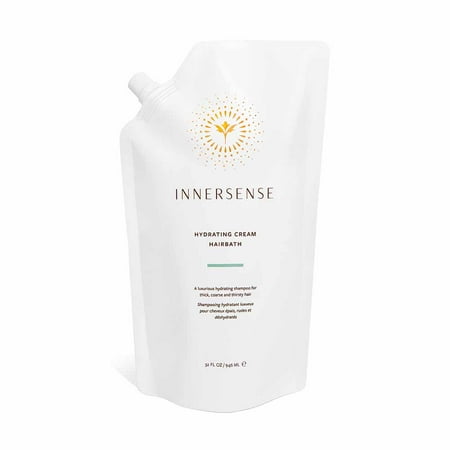

Innersense Hydrating Cream Hairbath Shampoo
Summary
This shampoo contains a mix of natural and synthetic ingredients, with some beneficial botanicals like aloe vera and natural oils. However, it also includes synthetic fragrance, which can be a skin irritant, and other minor synthetic components. The product is moderately processed, which affects its overall rating despite the presence of some natural ingredients.
At a glance
Key ingredients 9
Cocamidopropyl Hydroxysultaine
Cocamidopropyl Hydroxysultaine is a mild surfactant derived from coconut oil. It is used to create a rich lather and cleanse the hair without stripping natural oils. It is considered gentle and suitable for sensitive skin.
Risks
There is a low risk of skin irritation for individuals with very sensitive skin.
Benefits
It helps to cleanse the hair effectively while maintaining moisture balance.
Glycerin
Glycerin is a humectant that attracts moisture to the hair and skin. It helps to keep the hair hydrated and soft. It is widely used in personal care products for its moisturizing properties.
Risks
In very dry conditions, it may draw moisture from the hair instead of the air.
Benefits
It enhances hair hydration and improves texture.
Plumeria Acutifolia (Monoi) Flower Extract
Monoi flower extract is known for its moisturizing and soothing properties. It is often used in hair care products to enhance shine and manageability. The extract is derived from the Tahitian gardenia flower.
Risks
There are minimal risks associated with this natural extract.
Benefits
It provides a natural fragrance and improves hair softness.
Cananga Odorata Flower Oil
Cananga Odorata, commonly known as Ylang Ylang, is used for its aromatic properties and potential to balance oil production in the scalp. It is often included in hair care for its soothing effects.
Risks
May cause allergic reactions in sensitive individuals.
Benefits
It helps to balance scalp oil production and adds a pleasant scent.
Lavandula Angustifolia (Lavender) Oil
Lavender oil is known for its calming scent and potential to improve scalp health. It is often used in hair care for its soothing and antimicrobial properties.
Risks
Potential for skin irritation in sensitive individuals.
Benefits
It promotes relaxation and may improve scalp health.
Simmondsia Chinensis (Jojoba) Seed Oil
Jojoba oil is a natural oil that closely resembles the sebum produced by human skin. It is used in hair care for its moisturizing and protective properties. It helps to condition the hair and scalp.
Risks
Generally considered safe with minimal risk of irritation.
Benefits
It moisturizes and protects the hair and scalp.
Butyrospermum Parkii (Shea Butter)
Shea butter is a natural fat extracted from the nuts of the shea tree. It is used in hair care for its deep moisturizing and nourishing properties. It helps to soften and condition the hair.
Risks
Rarely, it may cause allergic reactions in individuals with nut allergies.
Benefits
It deeply moisturizes and nourishes the hair.
Persea Gratissima (Avocado) Oil
Avocado oil is rich in vitamins and fatty acids, making it an excellent moisturizer for hair. It is used to enhance hair strength and shine. It is derived from the fruit of the avocado tree.
Risks
Minimal risk of irritation; generally safe for most users.
Benefits
It strengthens and adds shine to the hair.
Calophyllum Inophyllum (Tamanu) Oil
Tamanu oil is known for its regenerative and healing properties. It is used in hair care to promote scalp health and improve hair texture. It is derived from the nuts of the Tamanu tree.
Risks
May cause allergic reactions in individuals with nut allergies.
Benefits
It promotes scalp health and improves hair texture.
Processing
Processed Foods
Get the full breakdown in the Scout app
Scan any product to see lab results, healthy alternatives, and your personalized analysis.
Download on theApp Store