
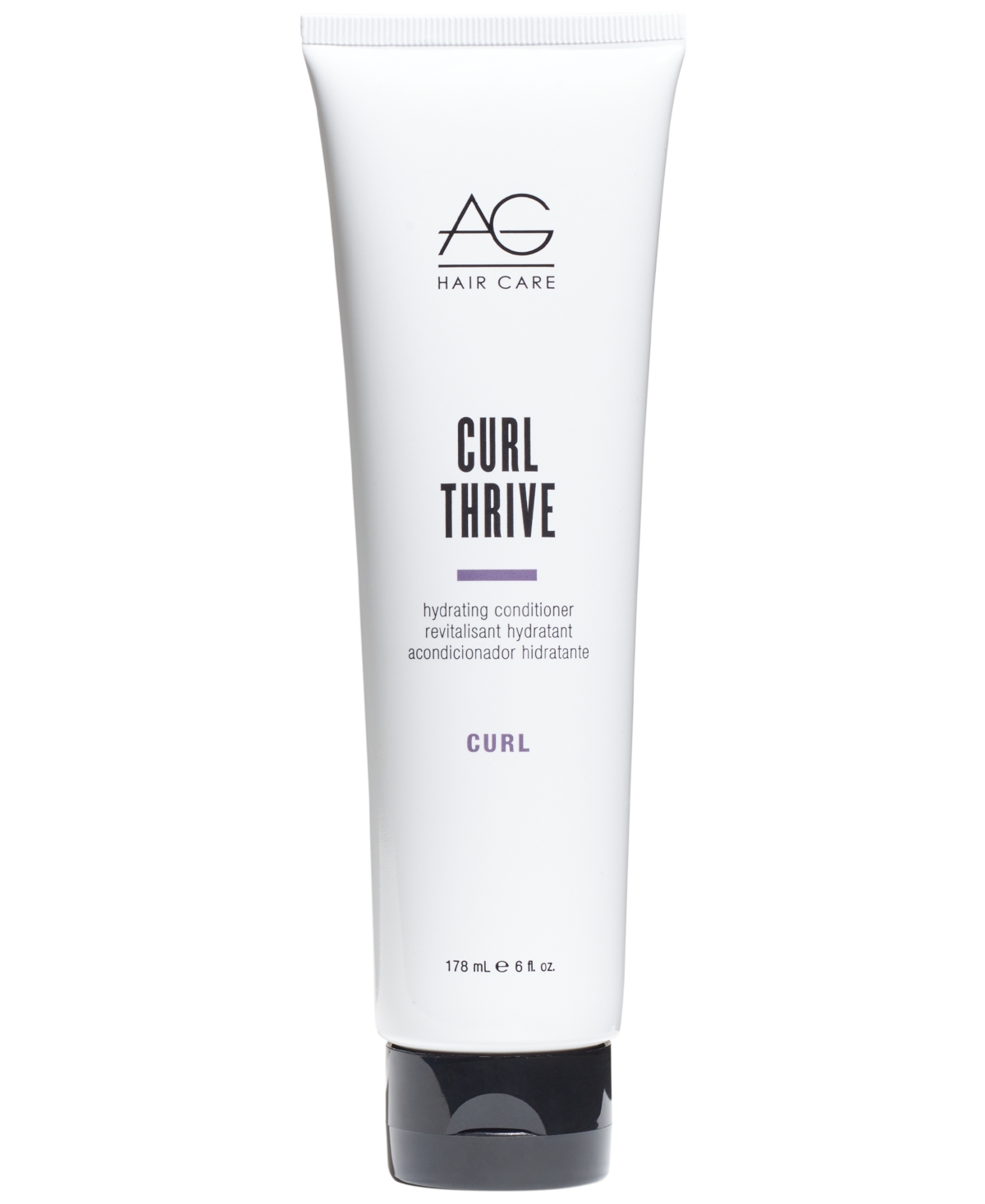

AG Hair Care Curl Thrive Hydrating Conditioner 6 oz
Analysis updated June 2026 · How Scout scores
At a glance
Summary
This conditioner features a blend of highly beneficial ingredients such as shea butter, coconut oil, and quinoa protein, which provide deep conditioning and nourishment to the hair. The absence of harmful additives like sulfates, silicones, and parabens, combined with its minimal processing level, contributes to its excellent rating for hair and scalp health.
Key ingredients 11
Shea ButterVery Good
Shea Butter is a natural fat extracted from the nuts of the shea tree. It is rich in vitamins and fatty acids, providing deep conditioning and nourishment to hair. It is highly regarded for its ability to moisturize and protect hair.
Risks
There are minimal risks, though individuals with nut allergies should exercise caution.
Benefits
Shea Butter deeply moisturizes and conditions hair, enhancing its softness and shine.
Caprylic/Capric TriglycerideGood
Caprylic/Capric Triglyceride is derived from coconut oil and glycerin. It is used as an emollient and helps to moisturize and replenish the skin and hair. It is considered beneficial due to its ability to improve the texture and hydration of hair.
Risks
There are minimal risks associated with this ingredient, though it may cause mild irritation in very sensitive individuals.
Benefits
It provides a lightweight, non-greasy moisturizing effect, enhancing the softness and smoothness of hair.
GlycerinGood
Glycerin is a humectant that attracts moisture to the hair and skin. It helps maintain hydration levels, making hair feel softer and more manageable. It is widely regarded as a beneficial ingredient in hair care products.
Risks
In very dry climates, glycerin may draw moisture out of the hair, potentially leading to dryness.
Benefits
Glycerin helps to keep hair hydrated and can improve the overall health and appearance of hair.
Quinoa ProteinGood
Quinoa Protein is a hydrolyzed protein derived from quinoa seeds. It helps to strengthen and protect hair by forming a protective barrier. It is beneficial for improving hair elasticity and reducing breakage.
Risks
There are minimal risks associated with quinoa protein, though it may cause mild irritation in sensitive individuals.
Benefits
It strengthens hair and helps to repair damage, improving overall hair health.
Rice ExtractGood
Rice Extract is derived from rice and is known for its soothing and conditioning properties. It helps to improve hair texture and adds shine. It is considered beneficial for its ability to nourish and protect hair.
Risks
There are minimal risks associated with rice extract, making it safe for most users.
Benefits
Rice Extract enhances hair shine and smoothness, contributing to healthier-looking hair.
Coconut OilGood
Coconut Oil is a natural oil extracted from the meat of coconuts. It is highly moisturizing and helps to reduce protein loss in hair. It is considered very beneficial for its deep conditioning and nourishing properties.
Risks
There are minimal risks, though it may weigh down fine hair if used in excess.
Benefits
Coconut Oil deeply conditions and strengthens hair, enhancing its softness and shine.
Pea PeptidesGood
Pea Peptides are derived from peas and are used for their strengthening and conditioning properties. They help to improve hair elasticity and reduce breakage. They are considered beneficial for enhancing hair strength and resilience.
Risks
There are minimal risks associated with pea peptides, making them safe for most users.
Benefits
Pea Peptides strengthen hair and improve its overall health and appearance.
Rice Amino AcidsGood
Rice Amino Acids are derived from rice and are used to strengthen and condition hair. They help to improve hair texture and manageability. They are considered beneficial for their ability to enhance hair strength and shine.
Risks
There are minimal risks associated with rice amino acids, making them safe for most users.
Benefits
Rice Amino Acids improve hair strength and texture, contributing to healthier-looking hair.
AquaNeutral
Aqua, or water, is the primary solvent in many cosmetic formulations. It helps dissolve other ingredients and provides a base for the product. It is generally considered neutral in terms of benefits and risks.
Risks
There are no significant risks associated with water in cosmetic formulations.
Benefits
Water is essential for dissolving and distributing other ingredients evenly in the product.
Cetyl AlcoholNeutral
Standard formulation ingredient — neither beneficial nor harmful at typical use.
Risks
There are minimal risks associated with cetyl alcohol, as it is generally non-irritating and safe for most users.
Benefits
It helps to soften and smooth the hair, improving manageability and texture.
Tomato ExtractNeutral
Tomato Extract is derived from tomatoes and contains antioxidants like lycopene. It is used in hair care for its potential protective properties. Its benefits and risks are generally neutral in hair care formulations.
Risks
There are minimal risks associated with tomato extract, though it may cause mild irritation in sensitive individuals.
Benefits
Tomato Extract may provide antioxidant benefits, helping to protect hair from environmental damage.
Processing
Unprocessed or Minimally Processed Foods
Get the full breakdown in the Scout appTake Scout shopping
Scan any product to see lab results, healthy alternatives, and your personalized analysis.
Download on theApp Store GET IT ONGoogle PlayAmazon pricing & content
Amazon price as of . Product prices and availability are accurate as of the date/time indicated and are subject to change. Any price and availability information displayed on Amazon.com at the time of purchase will apply to the purchase of this product.
CERTAIN CONTENT THAT APPEARS ON THIS SITE COMES FROM AMAZON. THIS CONTENT IS PROVIDED “AS IS” AND IS SUBJECT TO CHANGE OR REMOVAL AT ANY TIME.