
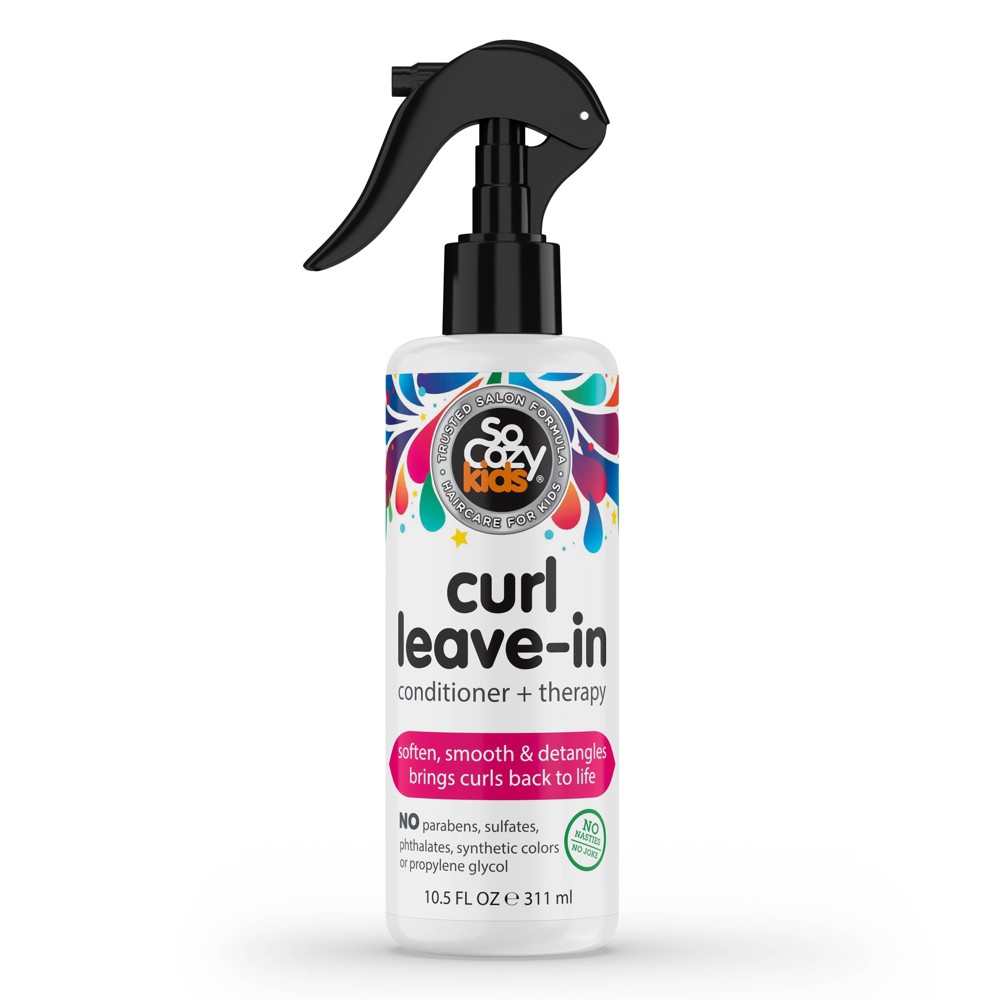
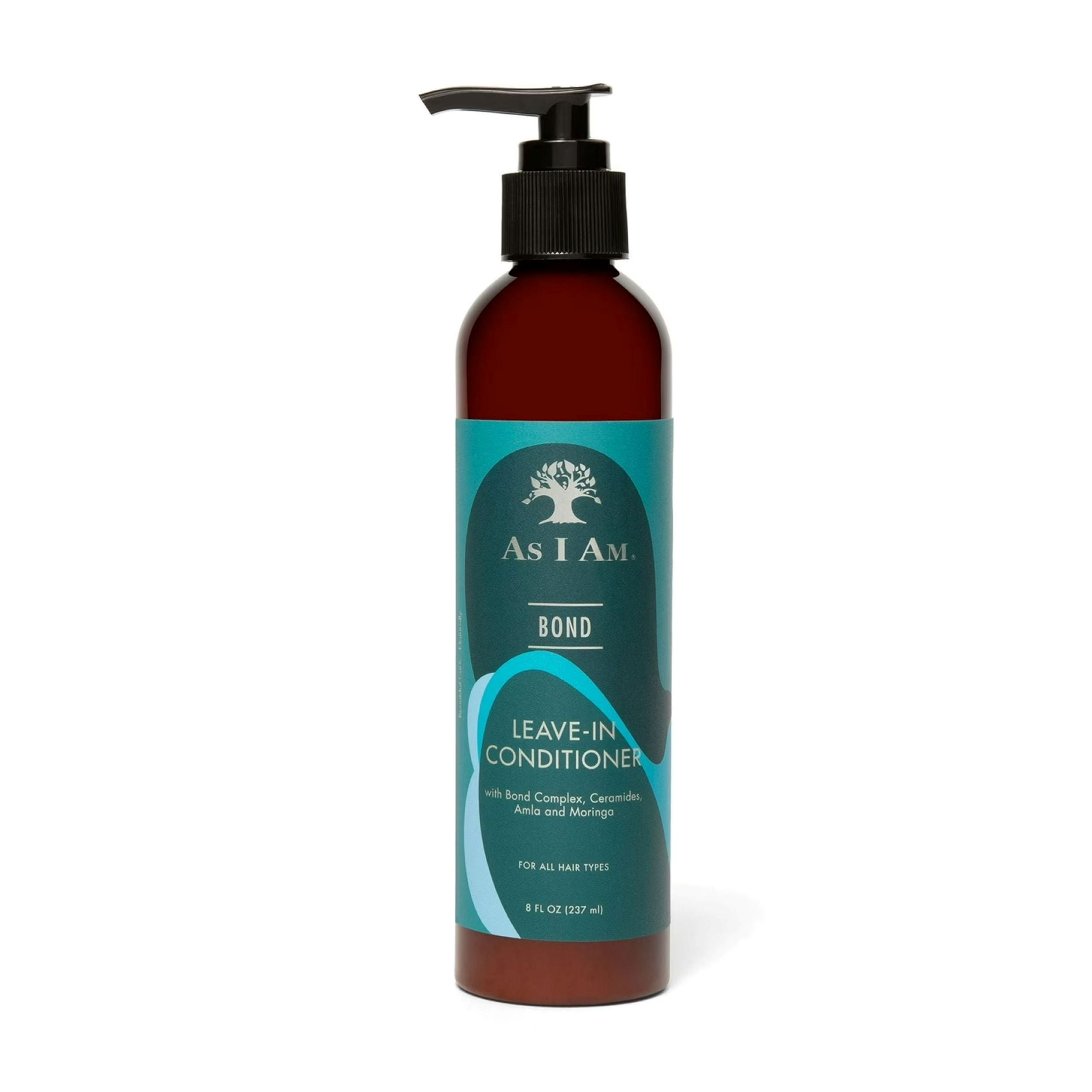

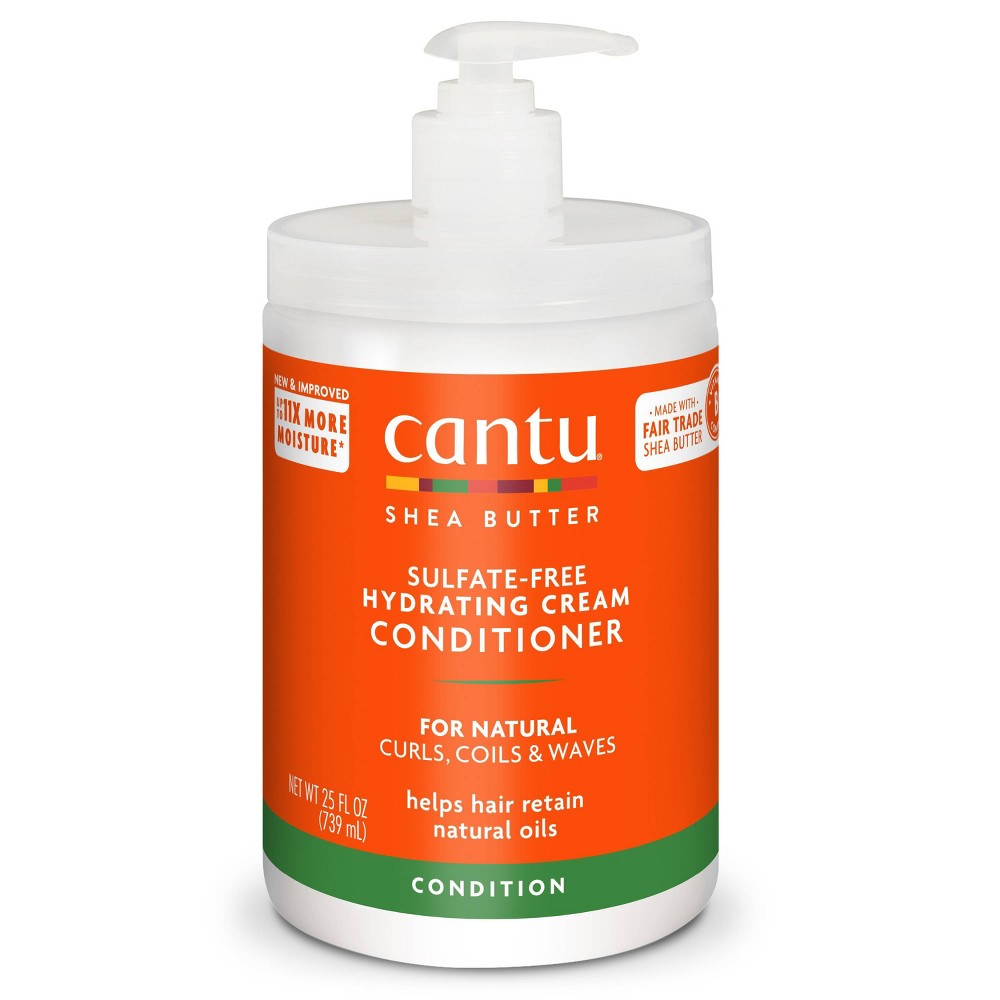
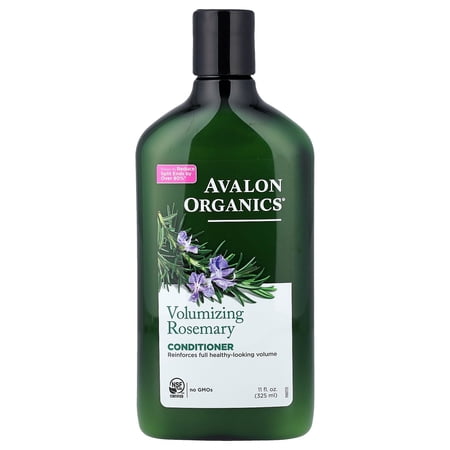
SoCozy Kids' Curl Leave-In Conditioner + Therapy Spray - 10.5 fl oz: Detangling, For Dry Hair, Liquid
Analysis updated August 2026 · How Scout scores
At a glance
Summary
This leave-in conditioner features a strong lineup of beneficial ingredients such as hydrolyzed jojoba esters, panthenol, and glycerin, which provide excellent conditioning and moisturizing properties for hair. The product is free from harsh sulfates, silicones, and parabens, making it suitable for sensitive scalps. The presence of fragrance is a minor concern due to potential irritation, but overall, the formulation is clean and minimally processed, contributing to a high score.
Key ingredients 16
Hydrolyzed Jojoba EstersVery Good
Hydrolyzed Jojoba Esters are derived from jojoba oil and are used for their conditioning properties. They help to strengthen and protect the hair, improving its overall health. They are considered highly beneficial for hair care.
Risks
There are no significant risks associated with this ingredient.
Benefits
They enhance hair strength and elasticity, reducing breakage and improving texture.
Hydrogenated Ethylhexyl OlivateGood
Hydrogenated Ethylhexyl Olivate is derived from olive oil and is used for its emollient properties. It helps to condition and protect the hair. It is considered safe and beneficial for hair health.
Risks
There are no significant risks associated with this ingredient.
Benefits
It provides a protective barrier on the hair, enhancing shine and reducing frizz.
Behentrimonium ChlorideGood
Behentrimonium Chloride is a conditioning agent that helps to detangle and soften hair. It is effective in reducing static and improving manageability. It is widely used in hair care products for its conditioning benefits.
Risks
In rare cases, it may cause mild irritation to sensitive scalps.
Benefits
It significantly improves hair texture and reduces tangling, making hair easier to comb.
GlycerinGood
Glycerin is a humectant that attracts moisture to the hair, helping to keep it hydrated. It is a natural compound that is safe and effective in maintaining hair moisture balance. It is commonly used in hair care products for its moisturizing properties.
Risks
Excessive use in humid conditions may lead to frizz.
Benefits
It helps to maintain moisture levels in the hair, preventing dryness and brittleness.
Hydrogenated Olive Oil UnsaponifiablesGood
This ingredient is derived from olive oil and is used for its emollient properties. It helps to condition and protect the hair, enhancing its natural shine. It is considered safe and beneficial for hair health.
Risks
There are no significant risks associated with this ingredient.
Benefits
It provides a protective barrier on the hair, enhancing shine and reducing frizz.
Hydrolyzed Vegetable ProteinGood
Hydrolyzed Vegetable Protein is used to strengthen and repair hair. It penetrates the hair shaft, providing essential nutrients and improving hair resilience. It is beneficial for damaged or weak hair.
Risks
There are no significant risks associated with this ingredient.
Benefits
It helps to strengthen hair, reducing breakage and improving overall hair health.
Panthenol (pro-Vitamin B-5)Good
Panthenol is a form of Vitamin B5 that is used for its moisturizing and conditioning properties. It penetrates the hair shaft, improving moisture retention and elasticity. It is widely used in hair care products for its beneficial effects.
Risks
There are no significant risks associated with Panthenol.
Benefits
It enhances hair moisture, improves texture, and adds shine.
Water (Aqua/Eau)Neutral
Water is a common solvent used in cosmetic formulations. It helps to dissolve other ingredients and provides a base for the product. It is generally considered safe and non-reactive.
Risks
There are no significant risks associated with water in cosmetic products.
Benefits
Water helps to hydrate and distribute other ingredients evenly across the hair.
Cetearyl AlcoholNeutral
Standard formulation ingredient — neither beneficial nor harmful at typical use.
Risks
There are minimal risks associated with Cetearyl Alcohol, though some individuals may experience mild irritation.
Benefits
It provides moisture and improves the texture of the hair, making it feel softer and more manageable.
BeeswaxNeutral
Beeswax is used in hair care products for its ability to provide hold and texture. It forms a protective barrier on the hair, helping to lock in moisture. It is generally considered safe for use in cosmetics.
Risks
Some individuals may experience mild allergic reactions to beeswax.
Benefits
It helps to style hair by providing hold and reducing frizz.
Lactic AcidNeutral
Lactic Acid is used to adjust the pH of hair care products. It can also help to exfoliate the scalp and improve hair texture. It is generally considered safe when used in appropriate concentrations.
Risks
High concentrations may cause irritation to sensitive scalps.
Benefits
It helps to maintain the pH balance of the product, improving hair texture.
Steareth-2Neutral
Steareth-2 is an emulsifier used to stabilize formulations. It helps to blend oil and water-based ingredients, ensuring a uniform product. It is generally considered safe for use in cosmetics.
Risks
There are no significant risks associated with Steareth-2.
Benefits
It helps to maintain product consistency and stability.
EthylhexylglycerinNeutral
Ethylhexylglycerin is used as a preservative and skin conditioning agent. It helps to enhance the efficacy of other preservatives and provides mild conditioning benefits. It is generally considered safe for use in cosmetics.
Risks
There are no significant risks associated with Ethylhexylglycerin.
Benefits
It helps to preserve the product and provides mild conditioning benefits.
Cetrimonium ChlorideBad
Processed additive flagged under Scout's ingredient doctrine.
Risks
In rare cases, it may cause mild irritation to sensitive scalps.
Benefits
It improves hair texture and reduces tangling, making hair easier to comb.
PhenoxyethanolBad
Processed additive flagged under Scout's ingredient doctrine.
Risks
High concentrations may cause skin irritation in sensitive individuals.
Benefits
It helps to preserve the product, ensuring its safety and longevity.
Fragrance (Parfum)Very Bad
Fragrance is used to impart a pleasant scent to cosmetic products. However, it can contain a mixture of various chemicals, some of which may cause allergic reactions or irritation. It is often criticized for its potential to cause skin sensitivity.
Risks
Fragrance can cause allergic reactions and irritation, especially in sensitive individuals.
Benefits
It provides a pleasant scent to the product, enhancing user experience.
Get the full breakdown in the Scout appTake Scout shopping
Scan any product to see lab results, healthy alternatives, and your personalized analysis.
Download on theApp Store GET IT ONGoogle PlayAmazon pricing & content
Amazon price as of . Product prices and availability are accurate as of the date/time indicated and are subject to change. Any price and availability information displayed on Amazon.com at the time of purchase will apply to the purchase of this product.
CERTAIN CONTENT THAT APPEARS ON THIS SITE COMES FROM AMAZON. THIS CONTENT IS PROVIDED “AS IS” AND IS SUBJECT TO CHANGE OR REMOVAL AT ANY TIME.