
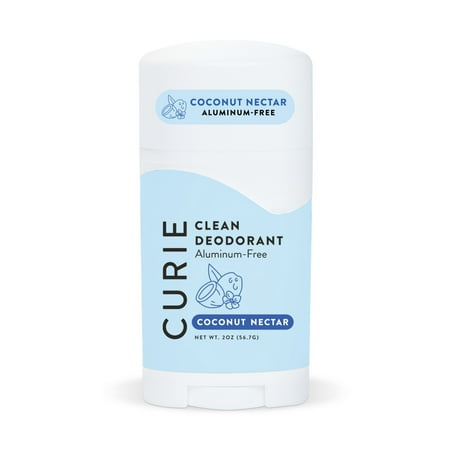
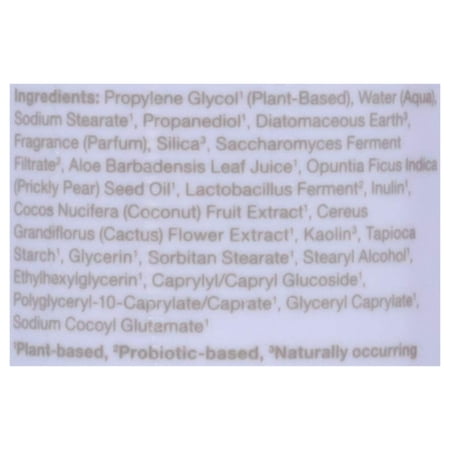
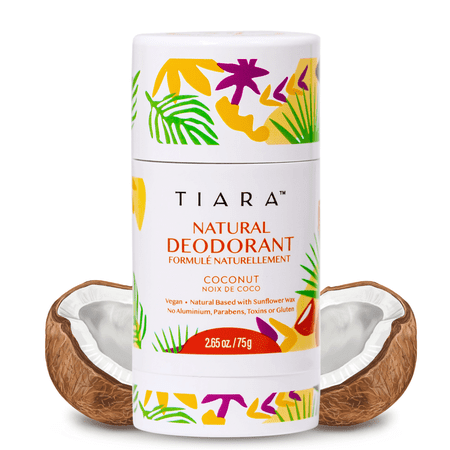
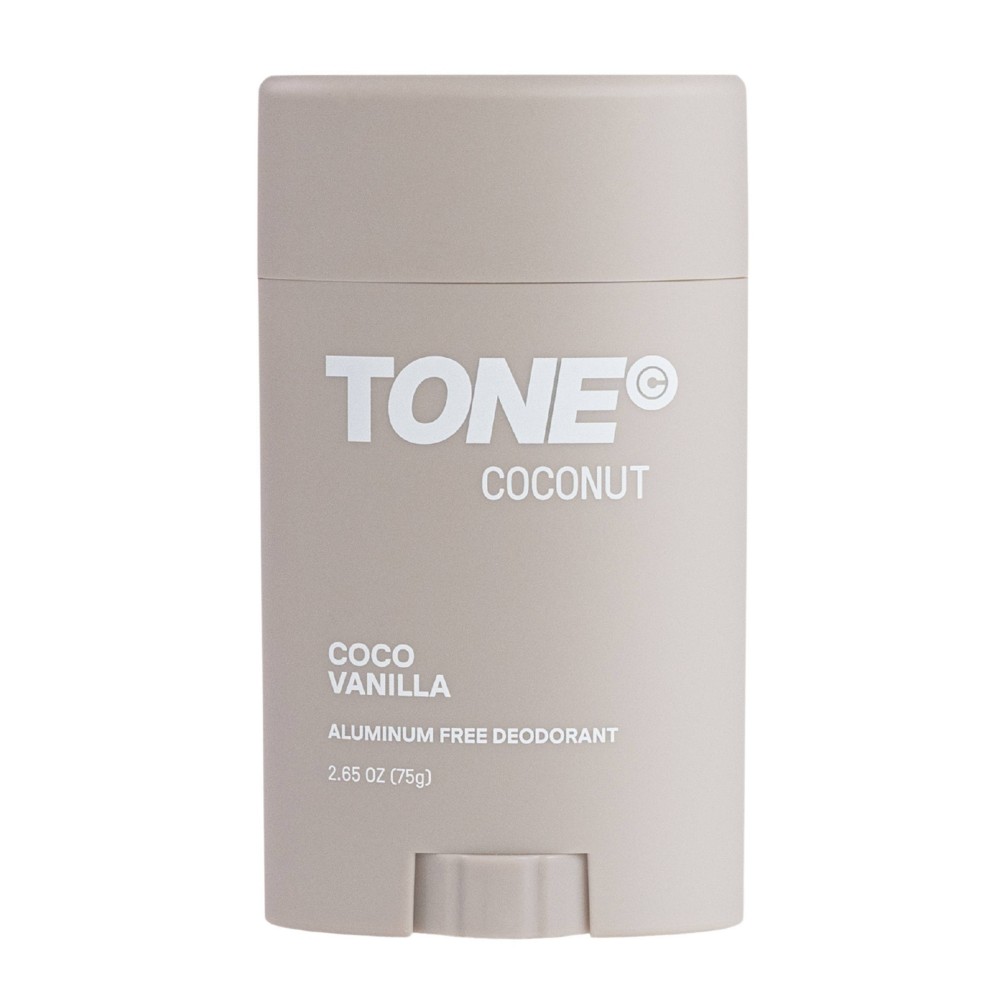
Curie Natural Deodorant Stick Coconut Nectar Aluminum-Free for Men and Women 2 oz
Analysis updated August 2026 · How Scout scores
At a glance
Summary
This deodorant is aluminum-free and contains several beneficial natural ingredients such as baking soda, tapioca starch, and cocoa butter, which contribute to its effectiveness in odor control and skin conditioning. However, the presence of synthetic fragrance, which can cause skin irritation and potentially contain undisclosed harmful chemicals, slightly lowers its score. Despite being ultra-processed, the product maintains a relatively clean ingredient list, which helps it achieve a moderate rating.
Key ingredients 18
Caprylic/Capric TriglycerideGood
Caprylic/Capric Triglyceride is a skin-conditioning agent derived from coconut oil and glycerin. It is known for its ability to quickly penetrate the skin and provide a lightweight, non-greasy barrier. This ingredient is generally well-tolerated and helps to moisturize and soften the skin.
Risks
There are minimal risks associated with this ingredient, though it may cause mild irritation in very sensitive individuals.
Benefits
It provides excellent skin conditioning and helps to improve the texture and feel of the skin.
Sodium BicarbonateGood
Sodium Bicarbonate, commonly known as baking soda, is a natural odor neutralizer. It works by altering the pH of the skin, making it less hospitable to odor-causing bacteria. This ingredient is highly effective in controlling body odor naturally.
Risks
Some individuals may experience skin irritation or a rash, particularly with prolonged use.
Benefits
It is a powerful natural deodorizer that helps to keep underarm odor at bay.
Zea Mays (Corn) StarchGood
Zea Mays (Corn) Starch is used for its moisture-absorbing properties. It is a natural ingredient that helps to keep the skin dry by absorbing excess sweat. This makes it a popular choice in natural deodorants.
Risks
There are minimal risks, though it may cause mild irritation in rare cases.
Benefits
It effectively absorbs moisture, contributing to a dry and comfortable feel.
Theobroma Cacao (Cocoa) Seed ButterGood
Cocoa Butter is a rich emollient that provides deep hydration and nourishment to the skin. It is derived from cocoa beans and is known for its ability to improve skin elasticity and smoothness. This ingredient is well-regarded for its moisturizing properties.
Risks
There are minimal risks, though it may cause breakouts in individuals with very oily skin.
Benefits
It deeply moisturizes and nourishes the skin, improving its texture and appearance.
Helianthus Annuus (Sunflower) Seed OilGood
Sunflower Seed Oil is a non-comedogenic carrier oil that is rich in vitamins A, D, and E. It is known for its moisturizing and skin-conditioning properties. This ingredient is gentle and suitable for all skin types.
Risks
There are minimal risks, though it may cause mild irritation in very sensitive individuals.
Benefits
It provides excellent hydration and nourishment to the skin, improving its overall health.
TocopherolGood
Tocopherol, also known as Vitamin E, is a powerful antioxidant that helps to protect the skin from environmental damage. It is commonly used in skincare products for its ability to nourish and repair the skin. This ingredient is well-tolerated and beneficial for most skin types.
Risks
There are minimal risks, though it may cause mild irritation in rare cases.
Benefits
It provides antioxidant protection and helps to maintain healthy skin.
Sambucus Nigra Fruit ExtractGood
Sambucus Nigra Fruit Extract, derived from elderberries, is rich in antioxidants and vitamins. It is known for its anti-inflammatory and skin-soothing properties. This ingredient is beneficial for maintaining healthy skin.
Risks
There are minimal risks, though it may cause mild irritation in very sensitive individuals.
Benefits
It provides antioxidant protection and helps to soothe and nourish the skin.
Carthamus Tinctorius (Safflower) Seed OilGood
Safflower Seed Oil is a lightweight oil that is rich in linoleic acid, which helps to maintain the skin's barrier. It is known for its moisturizing and skin-conditioning properties. This ingredient is suitable for all skin types and is generally well-tolerated.
Risks
There are minimal risks, though it may cause mild irritation in very sensitive individuals.
Benefits
It provides excellent hydration and helps to improve skin texture and appearance.
Opuntia Tuna Fruit ExtractGood
Opuntia Tuna Fruit Extract, derived from prickly pear cactus, is rich in antioxidants and vitamins. It is known for its hydrating and skin-soothing properties. This ingredient is beneficial for maintaining healthy and hydrated skin.
Risks
There are minimal risks, though it may cause mild irritation in very sensitive individuals.
Benefits
It provides antioxidant protection and helps to hydrate and soothe the skin.
Aloe Barbadensis Leaf ExtractGood
Aloe Barbadensis Leaf Extract, commonly known as Aloe Vera, is renowned for its soothing and moisturizing properties. It is used to calm irritated skin and provide hydration. This ingredient is well-tolerated and beneficial for most skin types.
Risks
There are minimal risks, though it may cause mild irritation in very sensitive individuals.
Benefits
It soothes and hydrates the skin, promoting a calm and healthy complexion.
Chamomilla Recutita (Matricaria) Flower ExtractGood
Chamomilla Recutita Flower Extract, derived from chamomile, is known for its anti-inflammatory and skin-soothing properties. It is used to calm and protect the skin from irritation. This ingredient is beneficial for sensitive and irritated skin.
Risks
There are minimal risks, though it may cause mild irritation in very sensitive individuals.
Benefits
It soothes and calms the skin, reducing redness and irritation.
Tapioca StarchNeutral
Standard formulation ingredient — neither beneficial nor harmful at typical use.
Risks
There are no significant risks associated with tapioca starch, making it a safe choice for most users.
Benefits
It effectively absorbs moisture, helping to keep the skin dry and comfortable.
OzokeriteNeutral
Ozokerite is a naturally occurring mineral wax used to thicken and stabilize formulations. It provides structure to the product and helps to maintain its solid form. While it is generally considered safe, it does not offer direct skin benefits.
Risks
There are minimal risks, though it may cause mild irritation if used in high concentrations.
Benefits
It helps to stabilize the product, ensuring it maintains its intended form and consistency.
Triethyl CitrateNeutral
Triethyl Citrate is an ester of citric acid used to control odor by inhibiting the enzymatic breakdown of sweat. It is considered safe for use in cosmetics and personal care products. This ingredient is effective in reducing body odor without affecting perspiration.
Risks
There are minimal risks, though it may cause mild irritation in sensitive individuals.
Benefits
It helps to control odor effectively without blocking sweat glands.
Zinc RicinoleateNeutral
Zinc Ricinoleate is a zinc salt of ricinoleic acid used to trap and absorb odor molecules. It is commonly used in deodorants for its ability to neutralize odors. This ingredient is generally considered safe and effective.
Risks
There are minimal risks, though it may cause mild irritation in rare cases.
Benefits
It effectively neutralizes odors, contributing to a fresher scent.
Xylityl SesquicaprylateNeutral
Xylityl Sesquicaprylate is an ester of xylitol used as a skin-conditioning agent. It is known for its moisturizing properties and ability to improve skin texture. This ingredient is considered safe for use in personal care products.
Risks
There are minimal risks, though it may cause mild irritation in sensitive individuals.
Benefits
It helps to condition and moisturize the skin, enhancing its texture.
AnhydroxylitolNeutral
Anhydroxylitol is a sugar-derived ingredient used for its moisturizing properties. It helps to improve skin hydration and maintain moisture balance. This ingredient is considered safe for use in personal care products.
Risks
There are minimal risks, though it may cause mild irritation in sensitive individuals.
Benefits
It helps to maintain skin hydration, contributing to a healthy and balanced complexion.
FragranceVery Bad
Fragrance in personal care products often contains a mix of synthetic chemicals that can cause skin irritation and allergic reactions. It is a common source of phthalates, which are linked to reproductive and organ damage. The exact composition is usually undisclosed, making it difficult to assess safety.
Risks
Potential risks include skin irritation, allergic reactions, and long-term health effects due to undisclosed chemicals.
Benefits
It provides a pleasant scent to the product, enhancing user experience.
Processing
Processed Foods
Get the full breakdown in the Scout appTake Scout shopping
Scan any product to see lab results, healthy alternatives, and your personalized analysis.
Download on theApp Store GET IT ONGoogle PlayAmazon pricing & content
Amazon price as of . Product prices and availability are accurate as of the date/time indicated and are subject to change. Any price and availability information displayed on Amazon.com at the time of purchase will apply to the purchase of this product.
CERTAIN CONTENT THAT APPEARS ON THIS SITE COMES FROM AMAZON. THIS CONTENT IS PROVIDED “AS IS” AND IS SUBJECT TO CHANGE OR REMOVAL AT ANY TIME.