
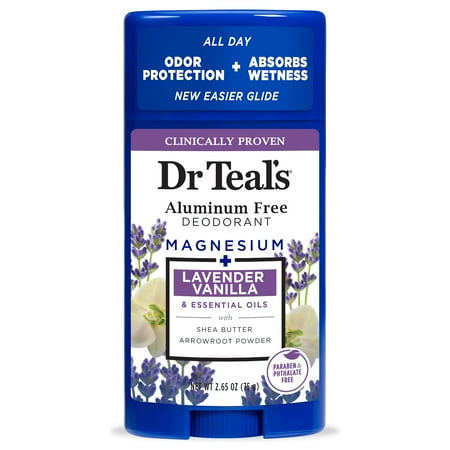
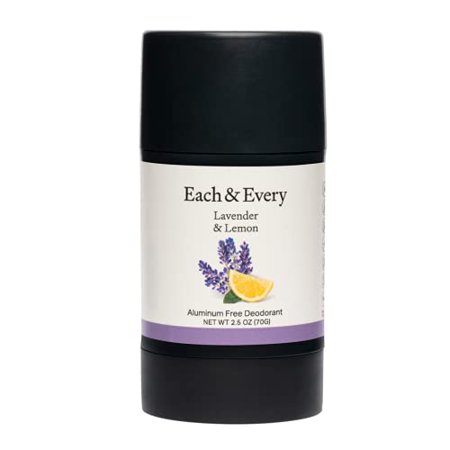
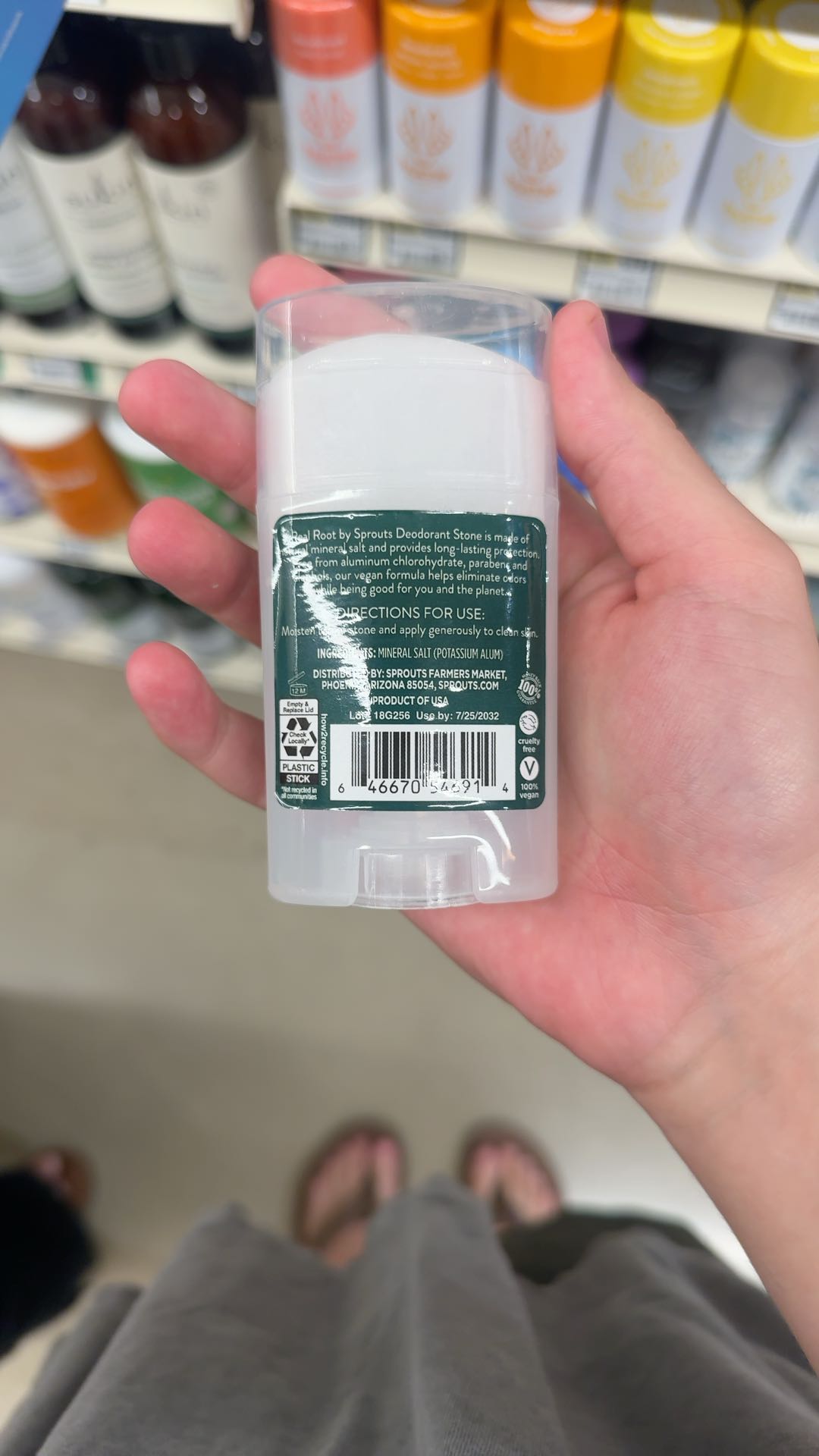
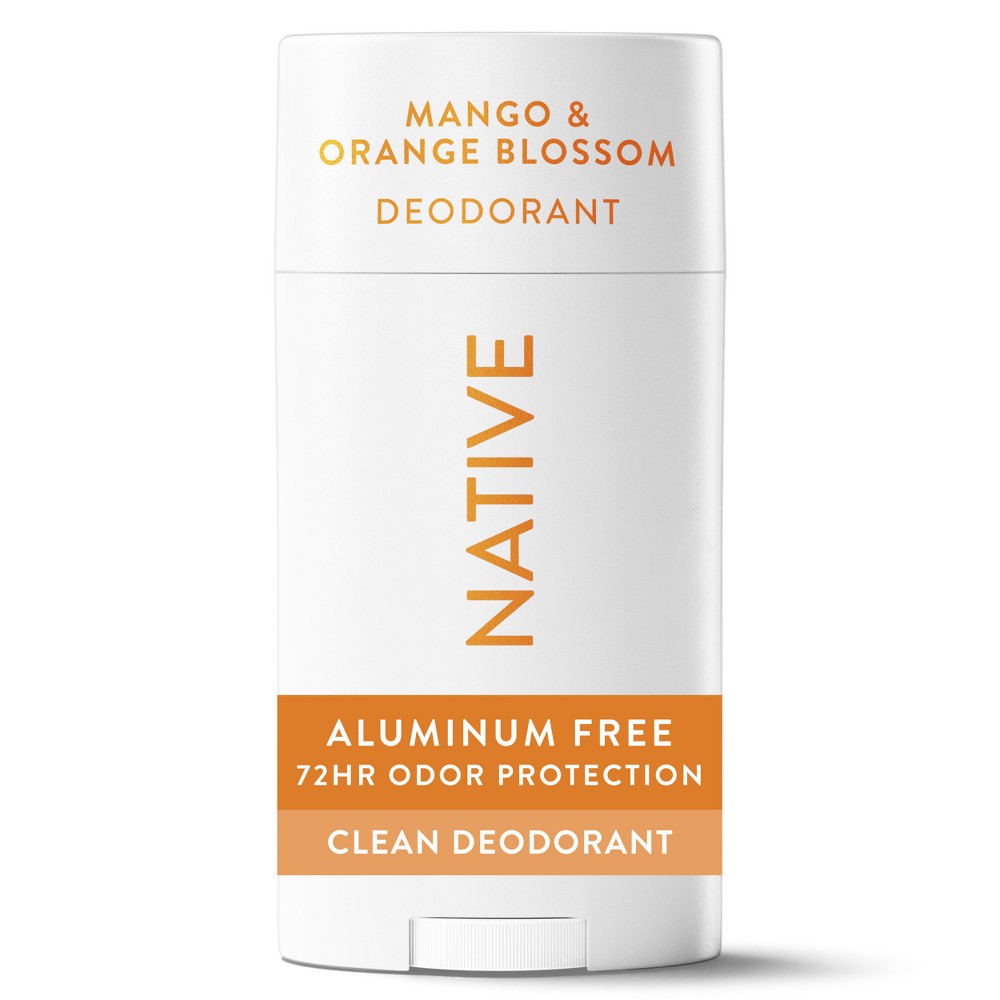

Dr Teal s Aluminum Free Deodorant Lavender Vanilla with Essential Oils 2.65 oz
Analysis updated August 2026 · How Scout scores
At a glance
Summary
This deodorant is aluminum-free and contains several beneficial natural ingredients like magnesium hydroxide, arrowroot powder, and coconut oil, which contribute to effective odor control and skin nourishment. However, the presence of synthetic fragrance, which can include undisclosed chemicals and potential allergens, slightly lowers its score. Despite this, the product remains a healthier option compared to those with aluminum and multiple synthetic additives.
Key ingredients 19
Magnesium HydroxideVery Good
Magnesium hydroxide is a gentle and effective natural odor neutralizer. It works by raising the pH of the skin, which inhibits the growth of odor-causing bacteria. This ingredient is well-tolerated by most skin types.
Risks
There are minimal risks associated with magnesium hydroxide, making it suitable for sensitive skin.
Benefits
It provides effective odor control without blocking sweat glands, promoting natural perspiration.
Maranta Arundinacea Root PowderGood
Arrowroot powder is used for its moisture-absorbing properties. It helps keep the underarm area dry by absorbing sweat. This natural ingredient is gentle on the skin.
Risks
There are no significant risks associated with arrowroot powder.
Benefits
It helps in maintaining dryness and provides a smooth application.
Cocos Nucifera OilGood
Coconut oil is known for its moisturizing and antimicrobial properties. It helps nourish the skin while providing a barrier against bacteria. This ingredient is widely used in natural deodorants.
Risks
Some individuals may experience mild irritation or allergic reactions.
Benefits
It hydrates the skin and helps prevent bacterial growth, contributing to odor control.
Sodium BicarbonateGood
Sodium bicarbonate, or baking soda, is a powerful natural odor neutralizer. It works by neutralizing acidic odors and maintaining a balanced pH. This ingredient is effective in controlling body odor.
Risks
It may cause irritation or rash in sensitive skin types.
Benefits
It provides strong odor control and is a key component in natural deodorants.
Butyrospermum Parkii ButterGood
Shea butter is known for its moisturizing and skin-soothing properties. It helps nourish and protect the skin, making it a popular ingredient in skincare products. This natural ingredient is well-tolerated by most skin types.
Risks
There are minimal risks, though some may experience mild allergic reactions.
Benefits
It deeply moisturizes the skin and provides a protective barrier.
Eucalyptus Globulus Leaf ExtractGood
Eucalyptus leaf extract is known for its antimicrobial and refreshing properties. It helps reduce bacteria on the skin, contributing to odor control. This natural ingredient is often used for its invigorating scent.
Risks
May cause irritation in sensitive individuals.
Benefits
It provides a natural antimicrobial effect and a refreshing scent.
Mentha Viridis ExtractGood
Spearmint extract is used for its cooling and antimicrobial properties. It helps refresh the skin and reduce odor-causing bacteria. This natural ingredient is valued for its invigorating scent.
Risks
May cause irritation in sensitive skin types.
Benefits
It provides a cooling sensation and helps control odor.
Simmondsia Chinensis Seed OilGood
Jojoba oil is known for its moisturizing and skin-conditioning properties. It closely resembles the skin's natural sebum, making it an excellent moisturizer. This natural ingredient is well-tolerated by most skin types.
Risks
There are minimal risks, though some may experience mild allergic reactions.
Benefits
It deeply moisturizes and conditions the skin.
Stearyl AlcoholNeutral
Stearyl alcohol is a fatty alcohol used as an emollient and thickener. It helps stabilize the product and improve texture. This ingredient is generally considered safe for use in cosmetics.
Risks
It may cause irritation in sensitive individuals.
Benefits
It enhances the texture and application of the deodorant.
Caprylic/Capric TriglycerideNeutral
This ingredient is derived from coconut oil and glycerin, used as an emollient and skin-conditioning agent. It helps improve the spreadability of the product. It is generally considered safe and non-irritating.
Risks
There are minimal risks associated with this ingredient.
Benefits
It provides a silky feel and helps moisturize the skin.
Hydrogenated Castor OilNeutral
Hydrogenated castor oil is used as an emollient and thickening agent. It helps improve the texture and stability of the product. This ingredient is generally safe for use in cosmetics.
Risks
It may cause mild irritation in some individuals.
Benefits
It contributes to the smooth application and consistency of the deodorant.
Polyglyceryl-3 BeeswaxNeutral
Polyglyceryl-3 beeswax is used as an emulsifier and thickener. It helps blend oil and water components in the product. This ingredient is generally considered safe for use in cosmetics.
Risks
There are minimal risks associated with this ingredient.
Benefits
It aids in product stability and consistency.
Zinc RicinoleateNeutral
Zinc ricinoleate is used for its odor-absorbing properties. It traps and absorbs odor molecules, reducing body odor. This ingredient is effective in deodorant formulations.
Risks
There are minimal risks associated with zinc ricinoleate.
Benefits
It effectively reduces odor without affecting perspiration.
Magnesium ChlorideNeutral
Magnesium chloride is used for its potential skin-soothing properties. It may help maintain skin hydration and balance. This ingredient is generally considered safe for use in cosmetics.
Risks
There are minimal risks associated with magnesium chloride.
Benefits
It may help soothe and hydrate the skin.
Magnesium SulfateNeutral
Magnesium sulfate, also known as Epsom salt, is used for its potential soothing and anti-inflammatory properties. It may help calm irritated skin. This ingredient is generally safe for use in cosmetics.
Risks
There are minimal risks associated with magnesium sulfate.
Benefits
It may help soothe and calm the skin.
Glyceryl CaprylateNeutral
Glyceryl caprylate is used as an emulsifier and skin-conditioning agent. It helps stabilize the product and improve skin feel. This ingredient is generally considered safe for use in cosmetics.
Risks
There are minimal risks associated with glyceryl caprylate.
Benefits
It enhances product stability and skin feel.
Glyceryl UndecylenateNeutral
Glyceryl undecylenate is used for its antimicrobial properties. It helps inhibit the growth of odor-causing bacteria. This ingredient is generally considered safe for use in cosmetics.
Risks
There are minimal risks associated with glyceryl undecylenate.
Benefits
It provides antimicrobial benefits, helping to control odor.
MaltodextrinNeutral
Maltodextrin is used as a binding and stabilizing agent in cosmetics. It helps improve the texture and consistency of the product. This ingredient is generally considered safe for use in cosmetics.
Risks
There are minimal risks associated with maltodextrin.
Benefits
It aids in product stability and consistency.
FragranceVery Bad
Fragrance in cosmetics can contain a mix of undisclosed chemicals, including potential allergens and irritants. It is often associated with skin sensitivity and allergic reactions. The lack of transparency in fragrance components raises concerns.
Risks
Potential for allergic reactions and skin irritation.
Benefits
Provides a pleasant scent to the product.
Processing
Processed Foods
Get the full breakdown in the Scout appTake Scout shopping
Scan any product to see lab results, healthy alternatives, and your personalized analysis.
Download on theApp Store GET IT ONGoogle PlayAmazon pricing & content
Amazon price as of . Product prices and availability are accurate as of the date/time indicated and are subject to change. Any price and availability information displayed on Amazon.com at the time of purchase will apply to the purchase of this product.
CERTAIN CONTENT THAT APPEARS ON THIS SITE COMES FROM AMAZON. THIS CONTENT IS PROVIDED “AS IS” AND IS SUBJECT TO CHANGE OR REMOVAL AT ANY TIME.