

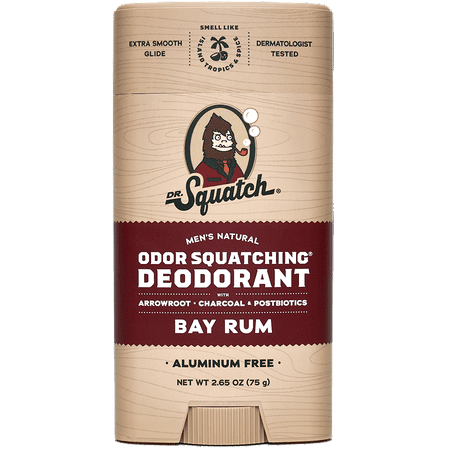
Dr. Squatch Natural Deodorant Wood Barrel Bourbon 2.65 oz
Summary
This deodorant features a clean ingredient list with beneficial components like magnesium hydroxide, arrowroot powder, and coconut oil, which are known for their natural odor control properties. It avoids harmful substances such as aluminum, parabens, and synthetic fragrances, making it a healthier choice. Despite being processed, the use of natural scents and absence of synthetic chemicals contribute positively to its rating.
At a glance
Key ingredients 11
Caprylic/Capric Triglyceride
Caprylic/Capric Triglyceride is a mixed triester derived from coconut oil and glycerin. It is used for its emollient properties, providing a silky feel to the skin. It helps to improve the spreadability of the product.
Risks
There are minimal risks associated with this ingredient as it is generally considered safe.
Benefits
It is beneficial for moisturizing the skin and enhancing the texture of the product.
Manihot Esculenta (Arrowroot) Powder
Arrowroot powder is a natural starch derived from the roots of the arrowroot plant. It is used for its moisture-absorbing properties, making it effective in deodorants. It helps to keep the skin dry and comfortable.
Risks
There are no significant risks associated with arrowroot powder.
Benefits
It is beneficial for absorbing moisture and reducing underarm wetness.
Stearyl Alcohol
Stearyl Alcohol is a fatty alcohol used as an emollient and thickener in cosmetic formulations. It helps to stabilize and thicken the product, providing a creamy texture. It also helps to soften and soothe the skin.
Risks
It is generally considered safe, but in rare cases, it may cause skin irritation.
Benefits
It is beneficial for its emollient properties and helps improve the texture of the product.
Magnesium Hydroxide
Magnesium Hydroxide is a naturally occurring mineral used as a gentle odor neutralizer in deodorants. It works by neutralizing the acids that cause odor without blocking pores. It is a preferred alternative to aluminum compounds.
Risks
There are minimal risks associated with magnesium hydroxide as it is non-irritating and safe for most skin types.
Benefits
It is beneficial for effectively neutralizing odor while being gentle on the skin.
Beeswax
Beeswax is a natural wax produced by honeybees. It is used in cosmetics for its emollient and thickening properties. It helps to form a protective barrier on the skin, locking in moisture.
Risks
There are minimal risks, but it may cause allergic reactions in individuals sensitive to bee products.
Benefits
It is beneficial for its moisturizing properties and helps to stabilize the product.
Butyrospermum Parkii (Shea)
Shea butter is a fat extracted from the nuts of the shea tree. It is used for its rich moisturizing properties, providing nourishment to the skin. It helps to soothe and protect the skin from dryness.
Risks
There are minimal risks, but it may cause allergic reactions in individuals with nut allergies.
Benefits
It is beneficial for its deep moisturizing and skin-soothing properties.
Activated Charcoal
Activated charcoal is a form of carbon processed to have small, low-volume pores that increase the surface area available for adsorption. It is used in deodorants for its ability to absorb moisture and toxins.
Risks
There are minimal risks, but it may cause skin dryness if used excessively.
Benefits
It is beneficial for its detoxifying properties and helps to absorb moisture and odor.
Probiotics
Probiotics are beneficial bacteria that help to maintain a healthy balance of microflora on the skin. In deodorants, they work by inhibiting the growth of odor-causing bacteria.
Risks
There are minimal risks associated with probiotics as they are generally safe for topical use.
Benefits
They are beneficial for promoting a healthy skin microbiome and reducing odor naturally.
Coconut Oil
Coconut oil is a natural oil extracted from the meat of coconuts. It is used for its moisturizing and antimicrobial properties. It helps to nourish the skin and reduce the growth of odor-causing bacteria.
Risks
There are minimal risks, but it may cause breakouts in individuals with acne-prone skin.
Benefits
It is beneficial for its moisturizing and antibacterial properties.
Jojoba Oil
Jojoba oil is a liquid wax extracted from the seeds of the jojoba plant. It is used for its moisturizing and skin-soothing properties. It closely resembles the natural oils of the skin, making it an excellent emollient.
Risks
There are minimal risks associated with jojoba oil as it is non-comedogenic and safe for most skin types.
Benefits
It is beneficial for its moisturizing properties and helps to balance the skin's natural oils.
Natural Scents
Natural scents are derived from essential oils and plant extracts. They are used to provide fragrance to the product without the use of synthetic chemicals. They offer a more natural alternative to synthetic fragrances.
Risks
There are minimal risks, but some individuals may experience allergic reactions to certain essential oils.
Benefits
They are beneficial for providing a pleasant scent without the use of synthetic chemicals.
Processing
Processed Foods
Get the full breakdown in the Scout app
Scan any product to see lab results, healthy alternatives, and your personalized analysis.
Download on theApp Store