
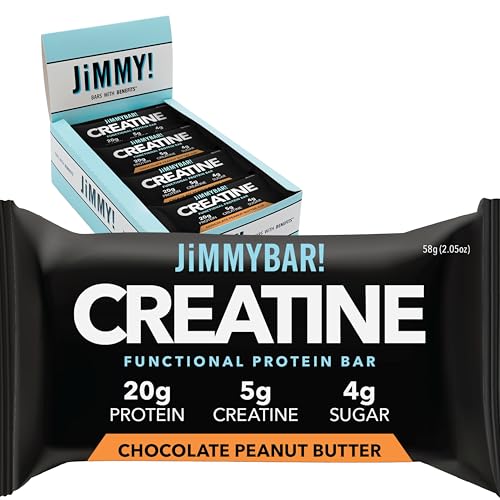
FUNCTIONAL PROTEIN BAR
Summary
This protein bar contains beneficial ingredients like peanuts, peanut butter, and milk protein, which provide healthy fats and a complete amino acid profile. However, the presence of processed soy protein crisps and isolated soy protein, which are less beneficial and highly processed, affects its overall quality. The product's processing level limits its score, despite having some nutritious components.
At a glance
Key ingredients 8
Functional protein blendNeutral
A blend of proteins designed to provide a balanced amino acid profile. The quality and source of the proteins in the blend can vary, affecting nutritional value. Without specific details, it is difficult to assess the overall health impact.
Risks
Potential allergens if the blend includes common allergens like soy or dairy.
Benefits
May offer a comprehensive amino acid profile beneficial for muscle repair and growth.
PeanutsGood
Peanuts are a good source of healthy fats, protein, and fiber. They contain essential nutrients such as magnesium and vitamin E. Consuming peanuts can support heart health and provide sustained energy.
Risks
Allergy risk for individuals with peanut allergies.
Benefits
Rich in monounsaturated fats and protein, supporting heart health and muscle maintenance.
Peanut butterGood
Peanut butter provides healthy fats, protein, and essential nutrients like niacin and magnesium. It is a calorie-dense food that can be beneficial for energy intake. Quality varies based on added ingredients like sugar or oils.
Risks
Potential for added sugars and oils, which can reduce health benefits.
Benefits
Offers healthy fats and protein, contributing to satiety and energy.
Soy protein crispsBad
Soy protein crisps are a processed form of soy protein used for texture and protein content. They are often made from soy protein isolate, which is less beneficial than whole soy foods. Processing can reduce nutrient absorption and introduce additives.
Risks
May contain additives and have reduced nutrient absorption compared to whole soy foods.
Benefits
Provides a source of plant-based protein, though less complete than animal proteins.
Isolated soy proteinBad
Isolated soy protein is a highly processed form of soy used to increase protein content. It lacks the complete amino acid profile found in animal proteins. Processing can lead to reduced nutrient absorption and potential allergenicity.
Risks
May contribute to digestive issues and has potential allergenicity.
Benefits
Offers a plant-based protein source, though less complete than animal-based proteins.
Tapioca starchNeutral
Tapioca starch is a refined carbohydrate used as a thickener and stabilizer. It is gluten-free and easily digestible. However, it provides little nutritional value beyond carbohydrates.
Benefits
Provides a gluten-free carbohydrate source that is easily digestible.
Creatine monohydrateNeutral
Creatine monohydrate is a supplement known for enhancing athletic performance and muscle growth. It is well-researched and generally considered safe. Its benefits are primarily seen in high-intensity exercise contexts.
Benefits
Supports muscle energy production and may enhance athletic performance.
Milk proteinGood
Milk protein provides a complete amino acid profile, beneficial for muscle repair and growth. It is a high-quality protein source with good digestibility. Often derived from whey or casein, it supports muscle maintenance.
Risks
Potential allergen for individuals with dairy sensitivities.
Benefits
Offers a complete amino acid profile, supporting muscle health and recovery.
Processing
Processed Foods
Get the full breakdown in the Scout app
Scan any product to see lab results, healthy alternatives, and your personalized analysis.
Download on theApp Store