
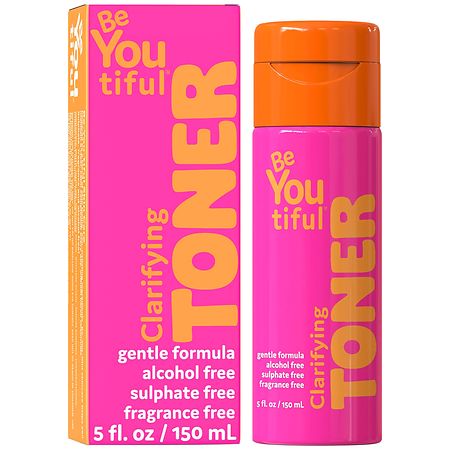
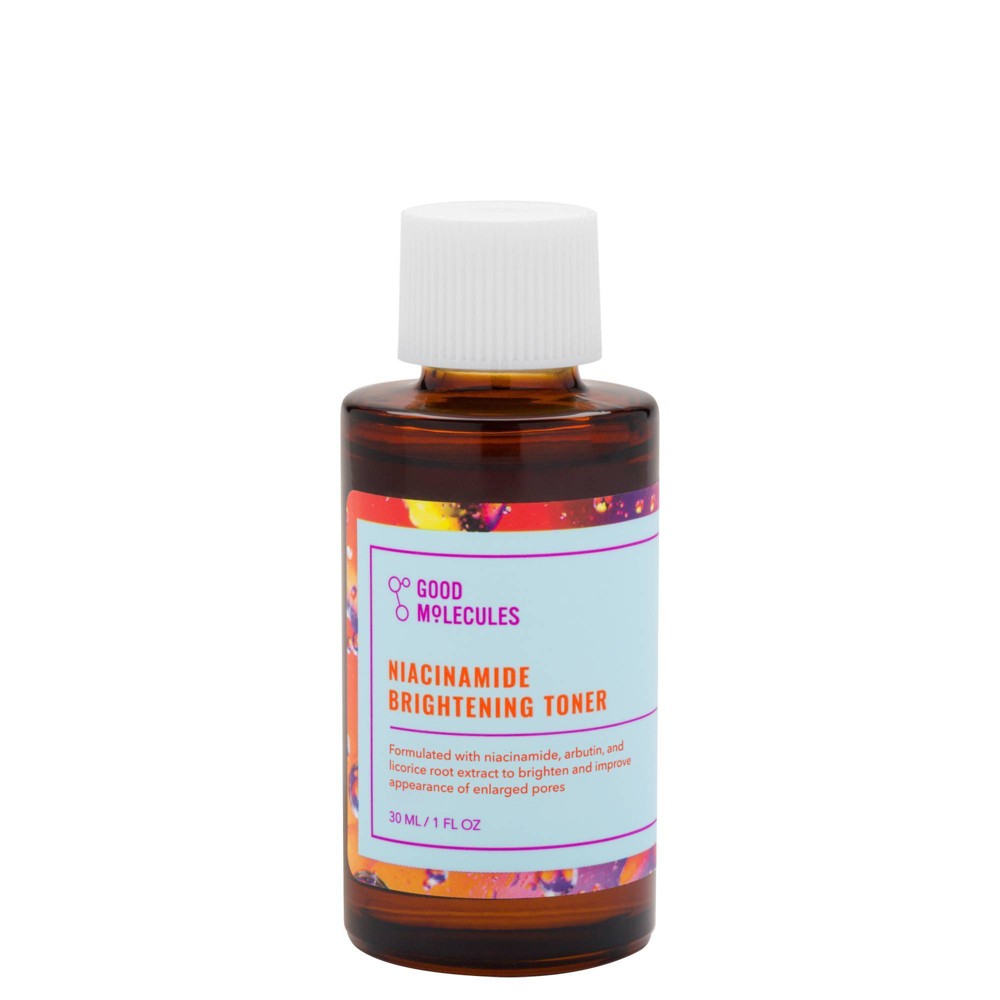
BeYoutiful Clarifying Toner - 5.0 fl oz
Summary
The toner contains a mix of natural botanicals like aloe vera and chamomile, which are beneficial for the skin. However, it also includes synthetic fragrance, which can be a skin irritant and is generally discouraged in clean beauty products. The presence of some synthetic preservatives contributes to its moderate processing level, impacting the overall score.
At a glance
Key ingredients 8
Water
Water is a universal solvent used in cosmetics to dissolve other ingredients. It acts as a base for the formulation, providing a medium for other components to mix. It is essential for hydrating the skin.
Risks
There are no significant risks associated with water in cosmetics.
Benefits
Water helps to hydrate the skin and is crucial for the formulation of the toner.
Trehalose
Trehalose is a sugar used for its moisturizing properties in skincare products. It helps to retain moisture in the skin, providing a hydrating effect. It also acts as an antioxidant, protecting the skin from environmental stress.
Risks
There are minimal risks associated with trehalose, though it may cause irritation in very sensitive skin.
Benefits
Trehalose provides hydration and antioxidant benefits, helping to protect and moisturize the skin.
Propylene Glycol
Propylene Glycol is a humectant that helps to retain moisture in the skin. It is commonly used in cosmetics to improve texture and spreadability. It also acts as a solvent for other ingredients.
Risks
Propylene Glycol can cause irritation or allergic reactions in sensitive individuals.
Benefits
It enhances skin hydration and improves the texture of the product.
Butylene Glycol
Butylene Glycol is used as a solvent and conditioning agent in cosmetics. It helps to improve the texture and spreadability of products. It also acts as a humectant, drawing moisture into the skin.
Risks
It may cause irritation or allergic reactions in sensitive skin types.
Benefits
Butylene Glycol helps to hydrate the skin and improve the product's application.
Sodium Benzoate
Sodium Benzoate is a preservative used to prevent microbial growth in cosmetics. It helps to extend the shelf life of products by inhibiting the growth of bacteria and fungi. It is commonly used in low concentrations for safety.
Risks
In rare cases, it can cause skin irritation or allergic reactions.
Benefits
Sodium Benzoate effectively preserves the product, ensuring its safety and longevity.
Phenoxyethanol
Phenoxyethanol is a preservative used to prevent bacterial growth in cosmetics. It is often used as an alternative to parabens. It helps to maintain the product's integrity and safety.
Risks
Phenoxyethanol can cause irritation or allergic reactions in some individuals, particularly in high concentrations.
Benefits
It effectively preserves the product, preventing contamination and spoilage.
Hydroxyethyl Cellulose
Hydroxyethyl Cellulose is a thickening agent used to improve the texture of cosmetic products. It helps to stabilize emulsions and enhance the product's consistency. It is derived from cellulose, a natural polymer.
Risks
There are minimal risks associated with Hydroxyethyl Cellulose, though it may cause irritation in very sensitive skin.
Benefits
It improves the texture and stability of the product, enhancing user experience.
Titanium Dioxide
Titanium Dioxide is used as a pigment and UV filter in cosmetics. It provides opacity and whiteness to products and helps to protect the skin from UV radiation. It is considered safe for use in cosmetics.
Risks
Inhalation of Titanium Dioxide in powder form can be harmful, but it is generally safe in liquid formulations.
Benefits
Titanium Dioxide offers UV protection and enhances the product's appearance.
Processing
Processed Foods
Get the full breakdown in the Scout app
Scan any product to see lab results, healthy alternatives, and your personalized analysis.
Download on theApp Store