

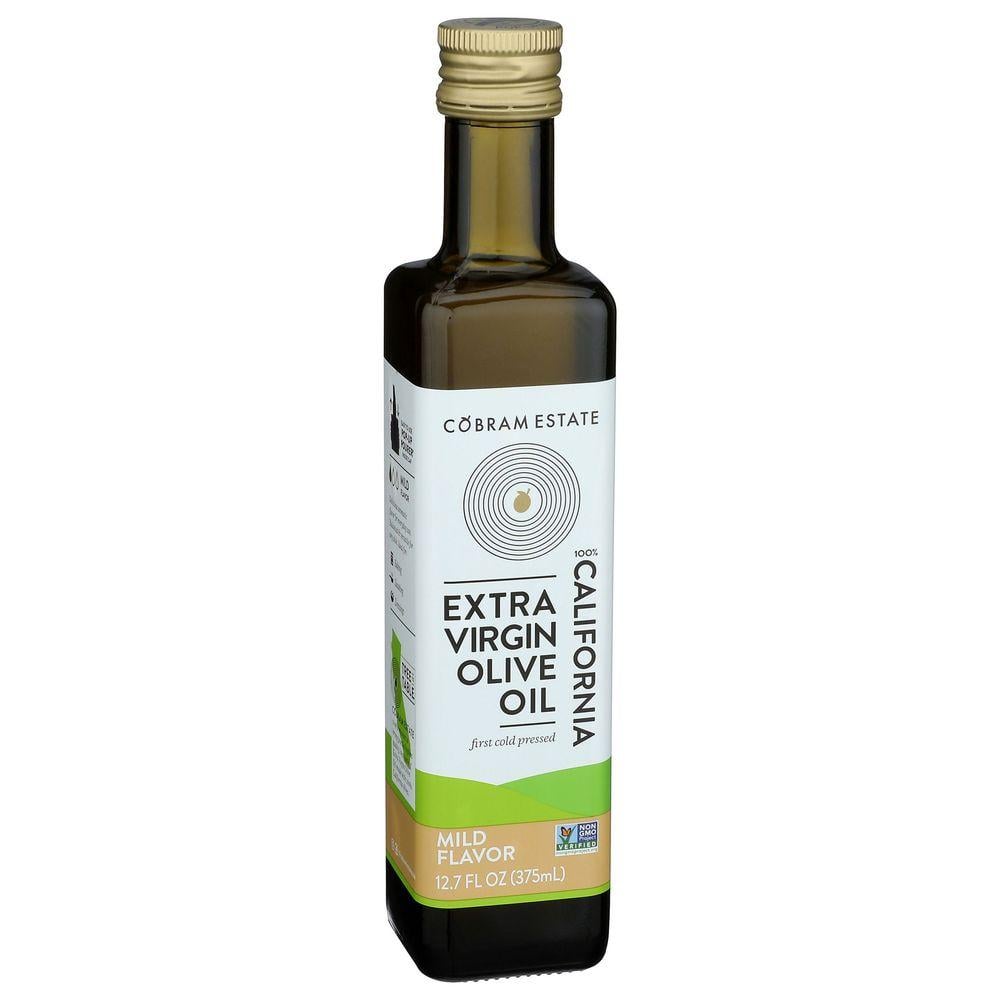


Olive oil
Analysis updated June 2026 · How Scout scores
At a glance
Summary
This olive oil is a high-quality source of monounsaturated fats, known for their heart health benefits. It is minimally processed, retaining beneficial antioxidants and polyphenols, which contribute to its anti-inflammatory effects and overall cardiovascular health. The clean ingredient list and beneficial fatty acid profile make it a top choice among processed culinary ingredients.
Key ingredients 10
Olive OilVery Good
Olive oil is a high-quality source of monounsaturated fats, known for their heart health benefits. It is minimally processed, retaining beneficial antioxidants and polyphenols. The oil's composition supports anti-inflammatory effects and overall cardiovascular health.
Benefits
Rich in monounsaturated fats that support heart health and provide anti-inflammatory properties. Contains antioxidants like vitamin E and polyphenols that may reduce oxidative stress.
Oleic AcidVery Good
Oleic acid is a monounsaturated fatty acid that is a major component of olive oil. It is known for its ability to reduce inflammation and improve heart health. This fatty acid is also linked to beneficial effects on cholesterol levels.
Benefits
Supports heart health by improving cholesterol levels and reducing inflammation. It is a key component of the Mediterranean diet.
TocopherolsVery Good
Tocopherols are a form of vitamin E, a powerful antioxidant found in olive oil. They protect cells from oxidative damage and support immune function. This nutrient is essential for maintaining healthy skin and eyes.
Benefits
Acts as a powerful antioxidant, protecting cells from oxidative damage. Supports immune function and skin health.
Phenolic CompoundsVery Good
Phenolic compounds in olive oil are potent antioxidants with anti-inflammatory properties. They contribute to the oil's health benefits, including reduced risk of chronic diseases. These compounds also enhance the oil's flavor and stability.
Benefits
Provide antioxidant and anti-inflammatory benefits, reducing the risk of chronic diseases. Enhance flavor and stability of the oil.
TriglyceridesGood
Triglycerides are the main constituents of natural fats and oils, providing a dense source of energy. In olive oil, they are primarily composed of beneficial monounsaturated fats. These fats are essential for energy storage and metabolic functions.
Benefits
Provide a concentrated source of energy and support metabolic functions. The monounsaturated nature of these triglycerides is beneficial for heart health.
Linoleic AcidGood
Linoleic acid is a polyunsaturated omega-6 fatty acid found in small amounts in olive oil. It is essential for human health, playing a role in cellular function and skin health. Although beneficial, it should be balanced with omega-3 intake.
Risks
Excessive intake of omega-6 fatty acids relative to omega-3s may promote inflammation.
Benefits
Essential for cellular function and skin health. Provides necessary fatty acids that the body cannot synthesize.
α-Linolenic AcidGood
α-Linolenic acid is an omega-3 fatty acid present in trace amounts in olive oil. It is important for heart health and has anti-inflammatory properties. This fatty acid is a precursor to other beneficial omega-3s like EPA and DHA.
Benefits
Supports heart health and has anti-inflammatory properties. Acts as a precursor to other beneficial omega-3 fatty acids.
Palmitoleic AcidGood
Palmitoleic acid is a monounsaturated fatty acid with potential metabolic benefits. It is present in small amounts in olive oil and may help improve insulin sensitivity. This fatty acid is also linked to anti-inflammatory effects.
Benefits
May improve insulin sensitivity and has anti-inflammatory effects. Supports metabolic health.
Palmitic AcidNeutral
Palmitic acid is a saturated fatty acid naturally present in olive oil. While it is a common component of fats, excessive intake of saturated fats can be detrimental to heart health. In moderation, it is a normal part of a balanced diet.
Risks
High intake of saturated fats like palmitic acid may increase the risk of heart disease.
Benefits
Provides energy and is a natural component of many fats. In moderation, it is part of a balanced diet.
Stearic AcidNeutral
Stearic acid is a saturated fatty acid found in small amounts in olive oil. Unlike other saturated fats, it does not raise LDL cholesterol levels. It is considered neutral in terms of heart health impact.
Benefits
Does not raise LDL cholesterol levels and is considered neutral for heart health. Provides energy as part of dietary fats.
Processing
Processed Culinary Ingredients
Get the full breakdown in the Scout appTake Scout shopping
Scan any product to see lab results, healthy alternatives, and your personalized analysis.
Download on theApp Store GET IT ONGoogle PlayAmazon pricing & content
Amazon price as of . Product prices and availability are accurate as of the date/time indicated and are subject to change. Any price and availability information displayed on Amazon.com at the time of purchase will apply to the purchase of this product.
CERTAIN CONTENT THAT APPEARS ON THIS SITE COMES FROM AMAZON. THIS CONTENT IS PROVIDED “AS IS” AND IS SUBJECT TO CHANGE OR REMOVAL AT ANY TIME.