


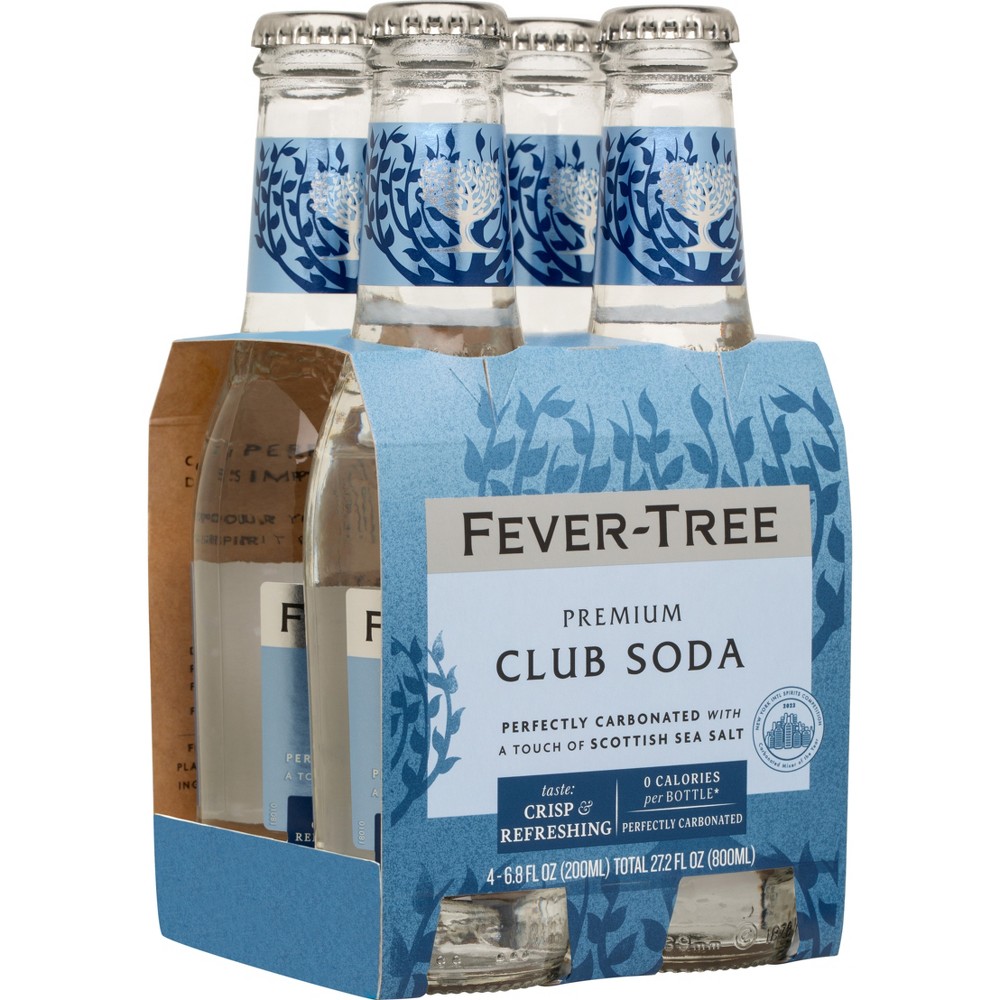


Club soda
Analysis updated July 2026 · How Scout scores
At a glance
Summary
This club soda is made from carbonated water with added minerals like sodium bicarbonate and sodium citrate, which are common in such beverages. While it is minimally processed, the presence of added sodium compounds can be a concern for those monitoring sodium intake. The product does not contain harmful contaminants, but the added ingredients slightly reduce its purity compared to natural spring or glacial waters.
Key ingredients 5
POTASSIUM SULFATEGood
Potassium sulfate provides essential potassium, supporting electrolyte balance and proper muscle function.
CARBONATED WATERNeutral
Carbonated water is simply water infused with carbon dioxide, providing a bubbly texture without added sugars or calories.
See more about CARBONATED WATER →SODIUM BICARBONATENeutral
Standard formulation ingredient — neither beneficial nor harmful at typical use.
See more about SODIUM BICARBONATE →SODIUM CITRATENeutral
Standard formulation ingredient — neither beneficial nor harmful at typical use.
See more about SODIUM CITRATE →DISODIUM PHOSPHATENeutral
Disodium phosphate is used as a buffering agent to maintain pH levels, with no significant health concerns in typical amounts.
See more about DISODIUM PHOSPHATE →Processing
Unprocessed or Minimally Processed Foods
Get the full breakdown in the Scout appTake Scout shopping
Scan any product to see lab results, healthy alternatives, and your personalized analysis.
Download on theApp Store GET IT ONGoogle PlayAmazon pricing & content
Amazon price as of . Product prices and availability are accurate as of the date/time indicated and are subject to change. Any price and availability information displayed on Amazon.com at the time of purchase will apply to the purchase of this product.
CERTAIN CONTENT THAT APPEARS ON THIS SITE COMES FROM AMAZON. THIS CONTENT IS PROVIDED “AS IS” AND IS SUBJECT TO CHANGE OR REMOVAL AT ANY TIME.